The Second Country in the World to Take War into the Air
Happening · Romanian Air Force Day
According to Romanian military historiography, Romania used the aeroplane on military missions as early as 1910 — the second country in the world, after France. On Aviation Day: the story of the beginnings, and the morning Bucharest looked up.
The morning the city stood still
Today, 20 July, is Romanian Air Force Day — the feast of St Elijah, the spiritual protector of aviators, the prophet taken up to heaven in a chariot of fire. The central ceremony was held yesterday, Sunday, on Aviatorilor Boulevard, closed to traffic and open to people.
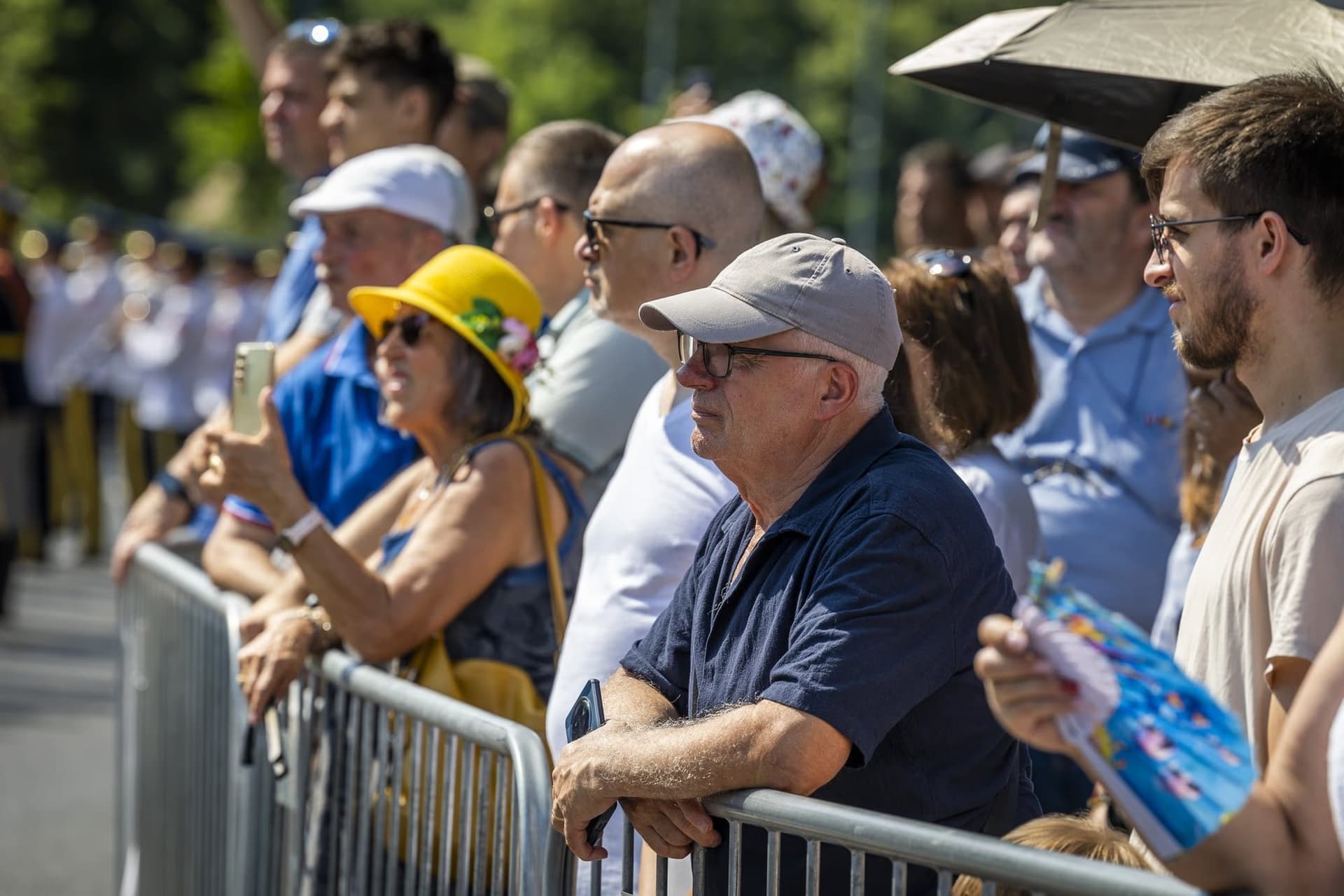
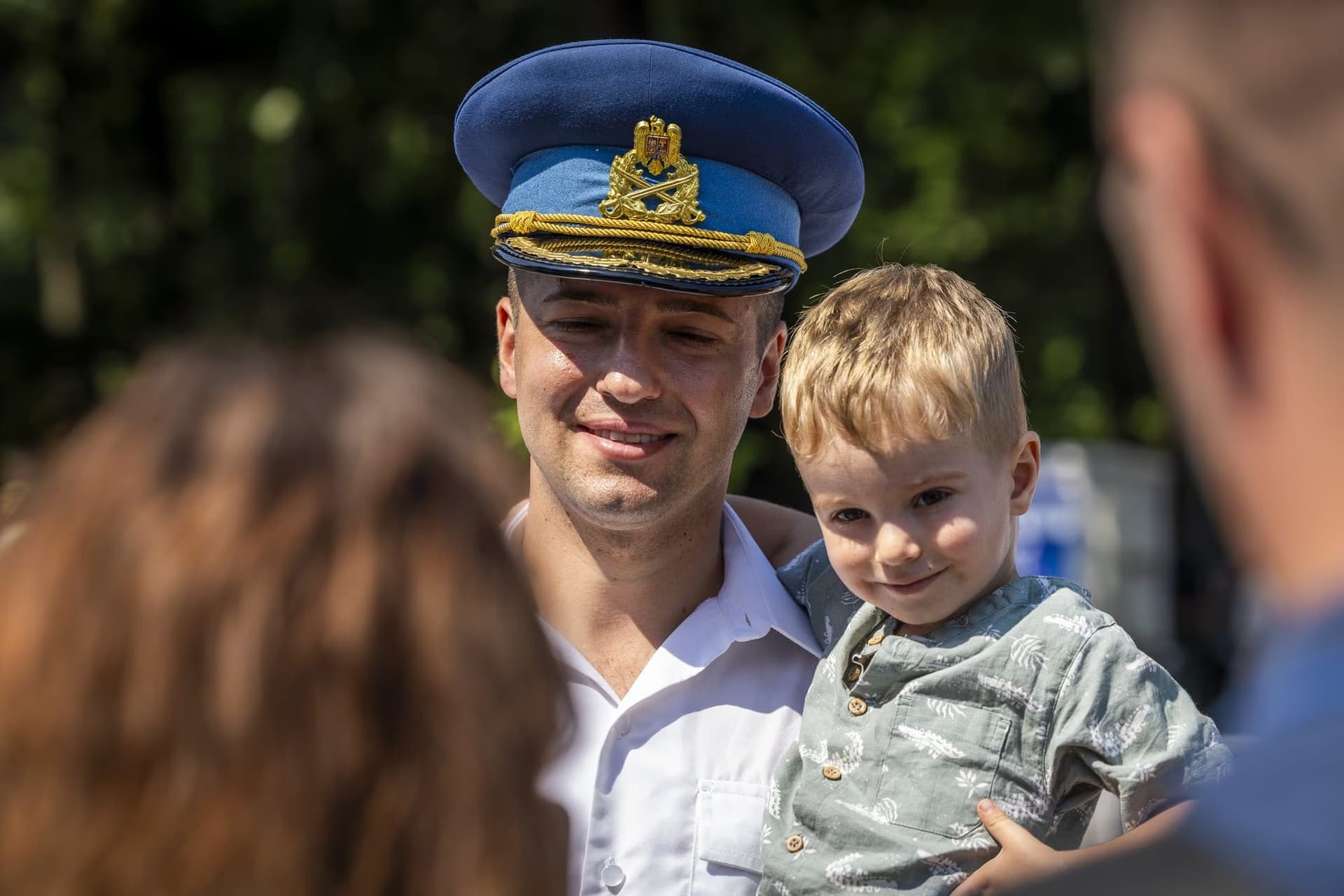
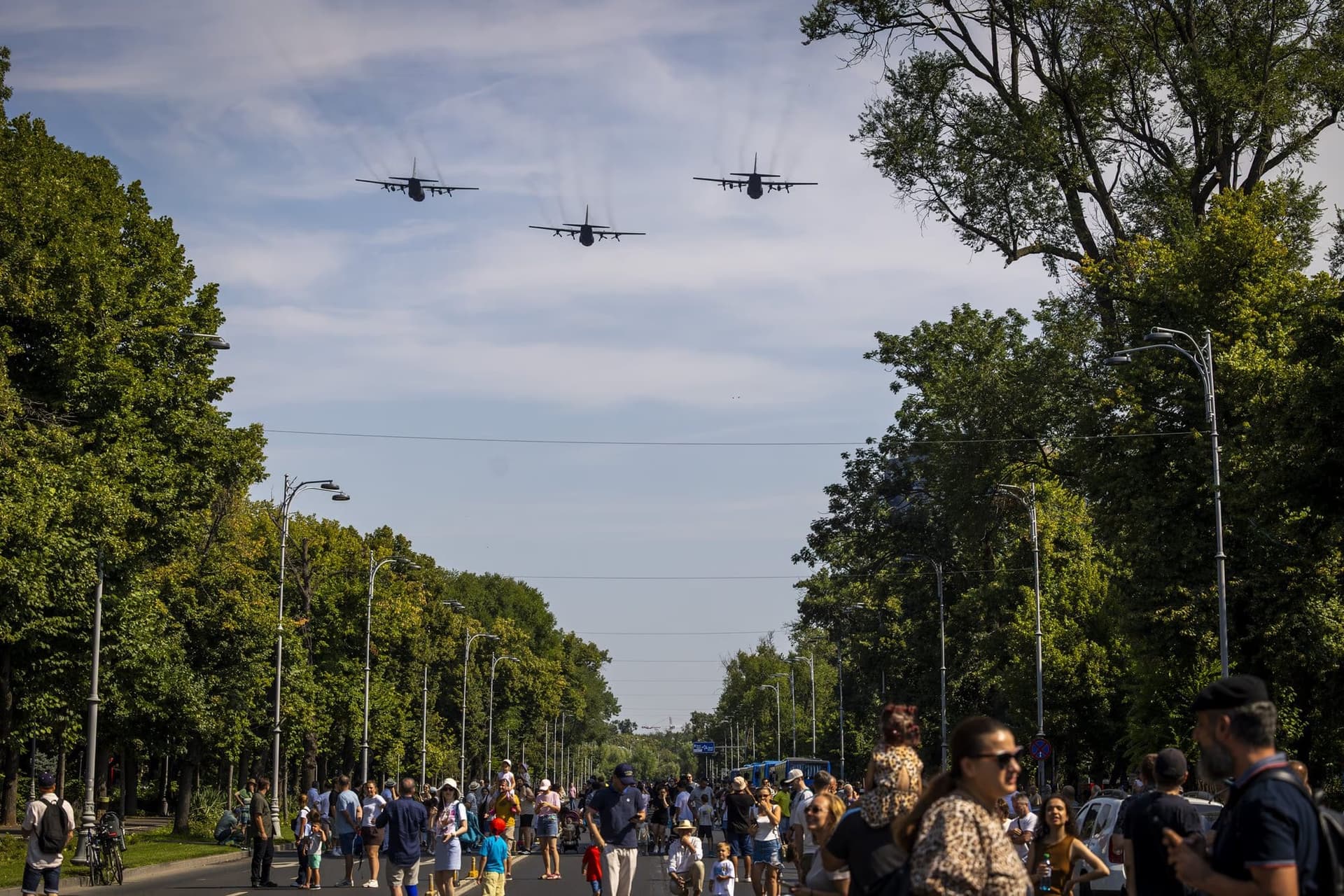
And people came. Families with children on their shoulders, airmen in white uniform holding their kids, old men counting the engines by ear before the aircraft appeared from behind the buildings.
The sky, in order
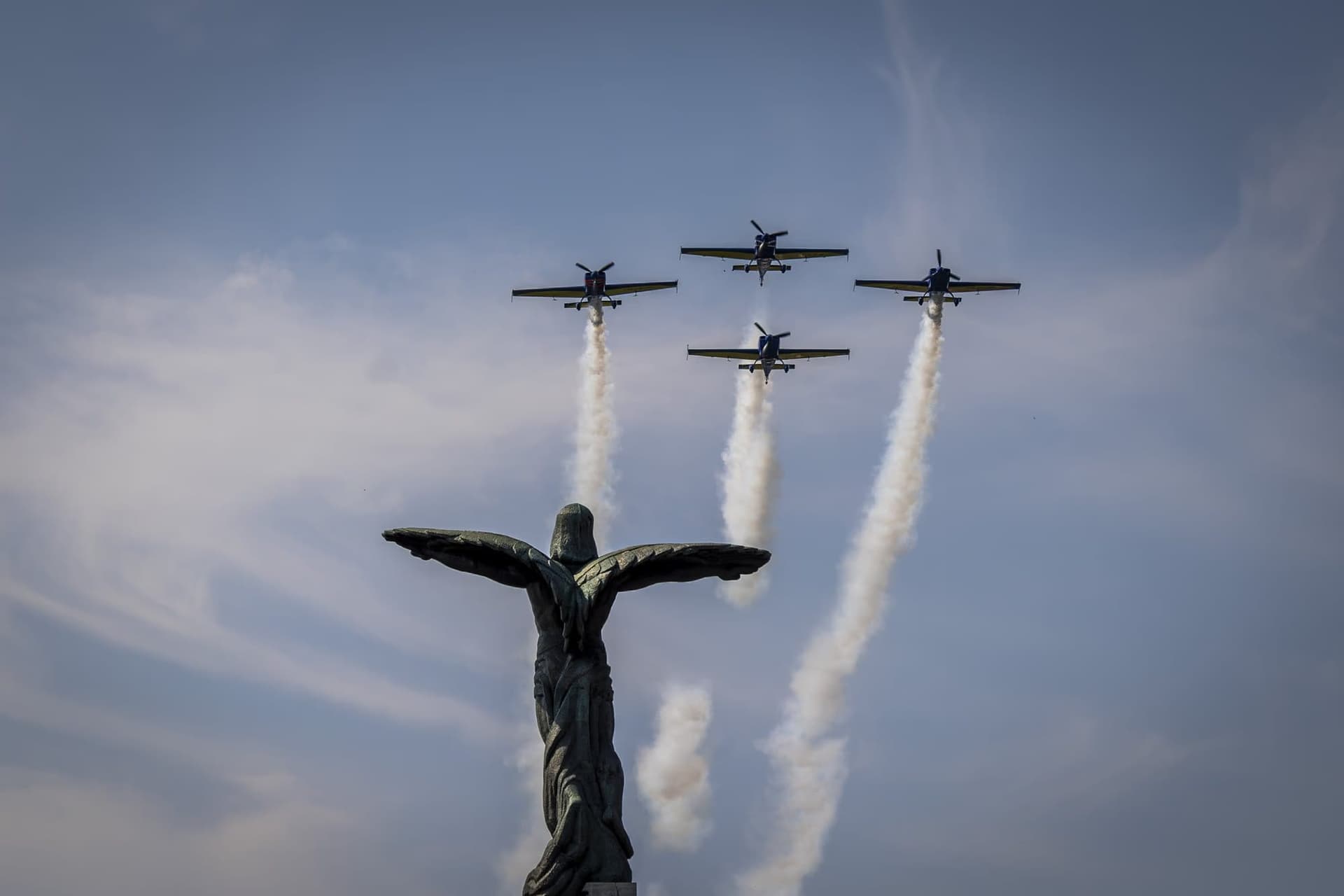
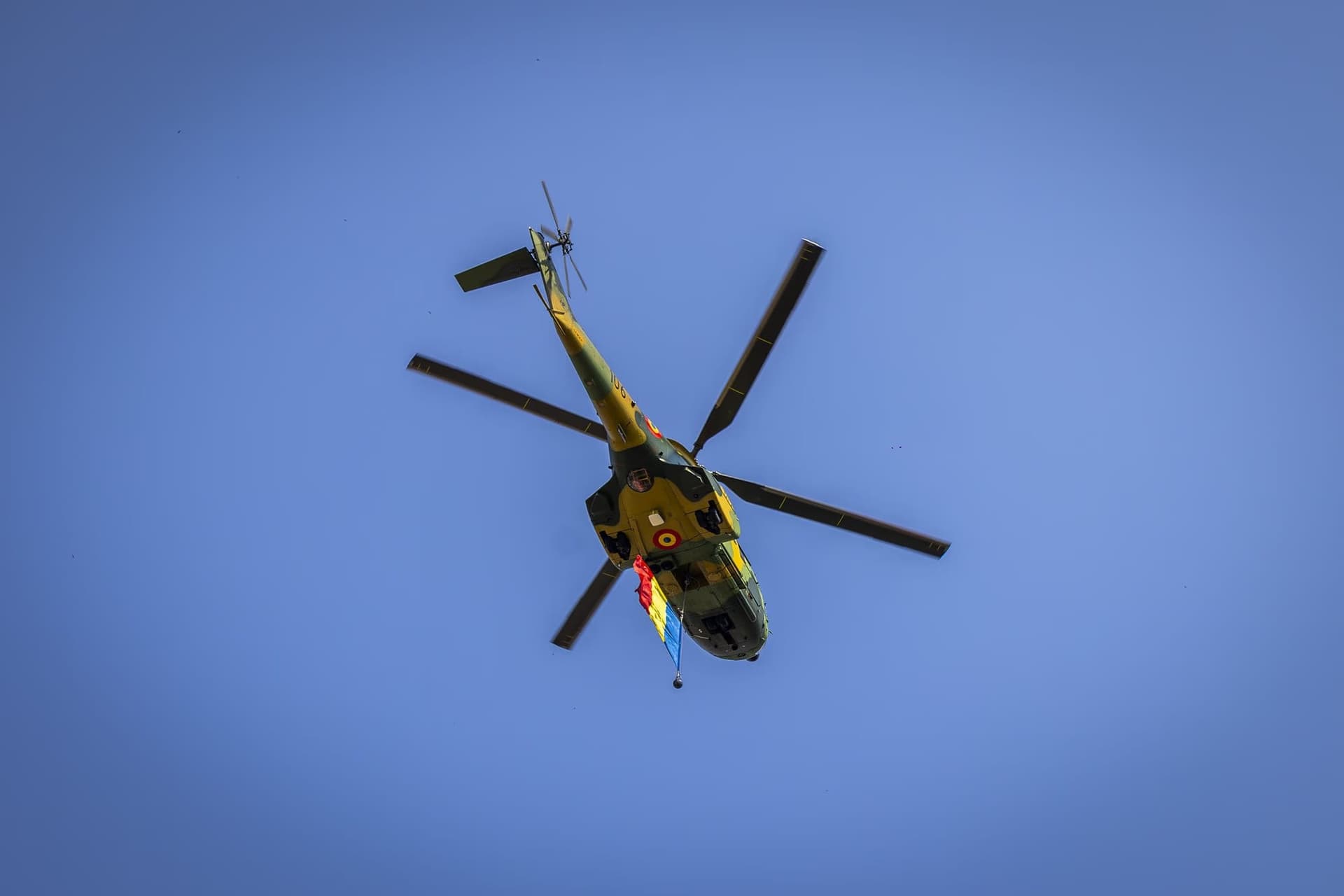
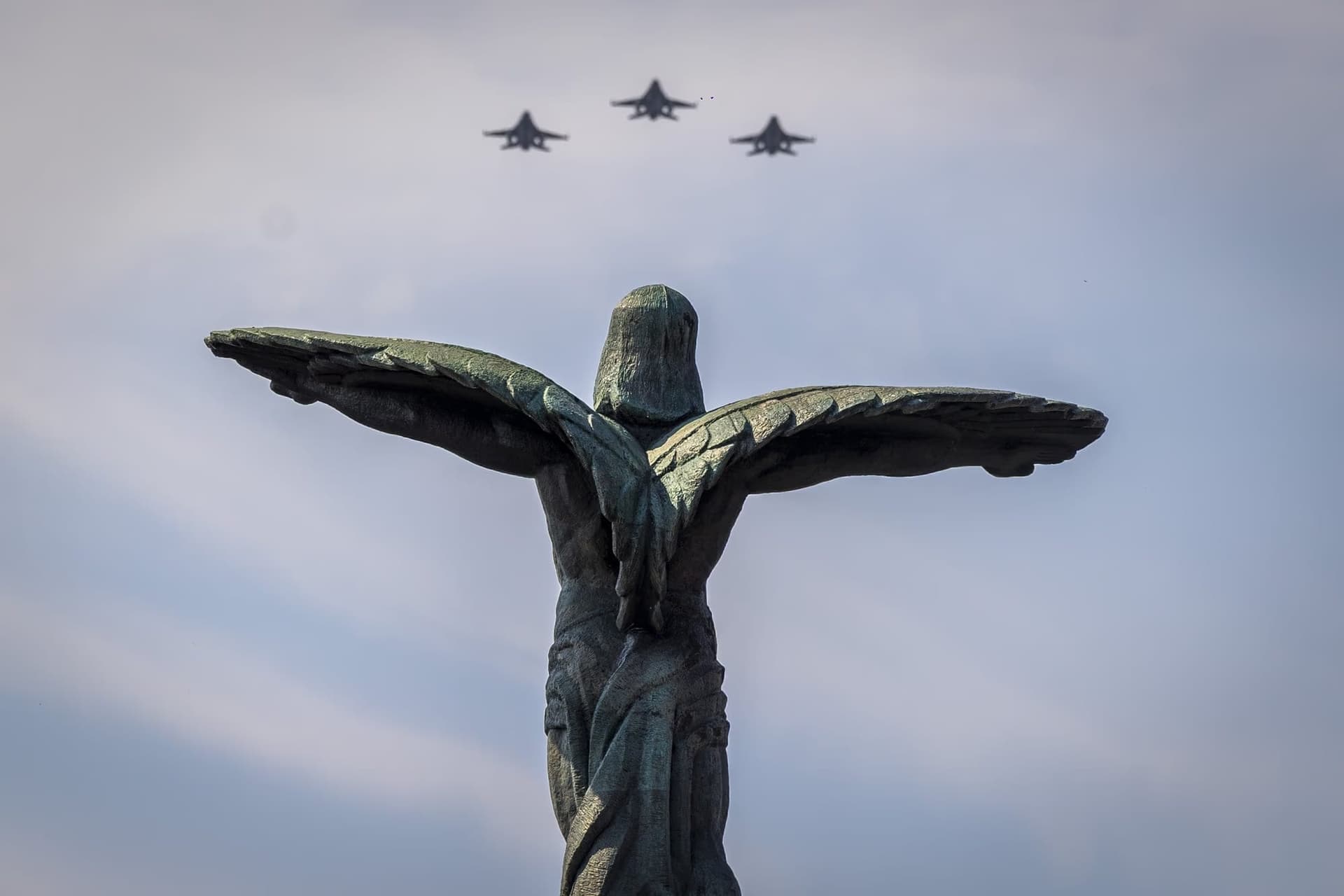
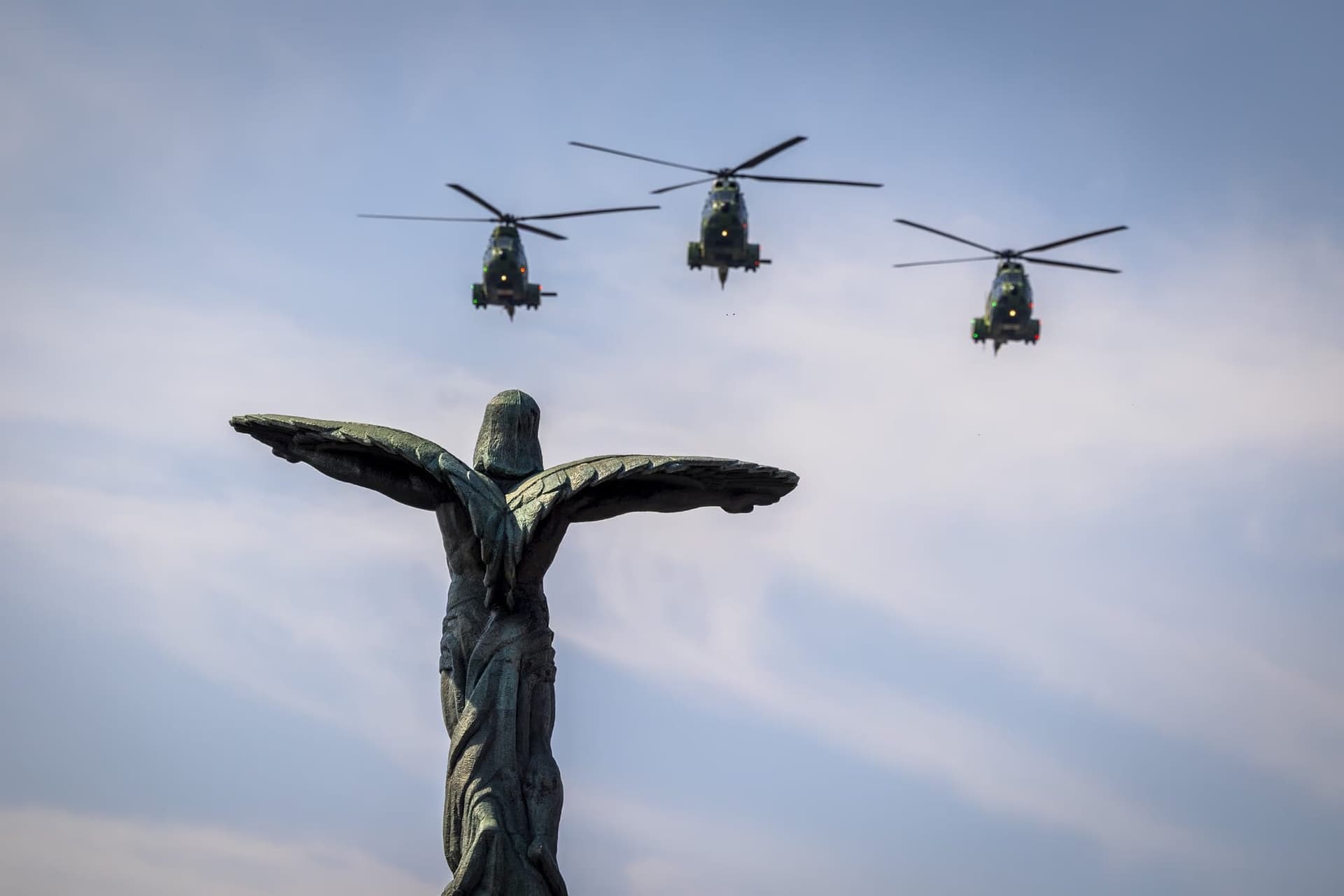
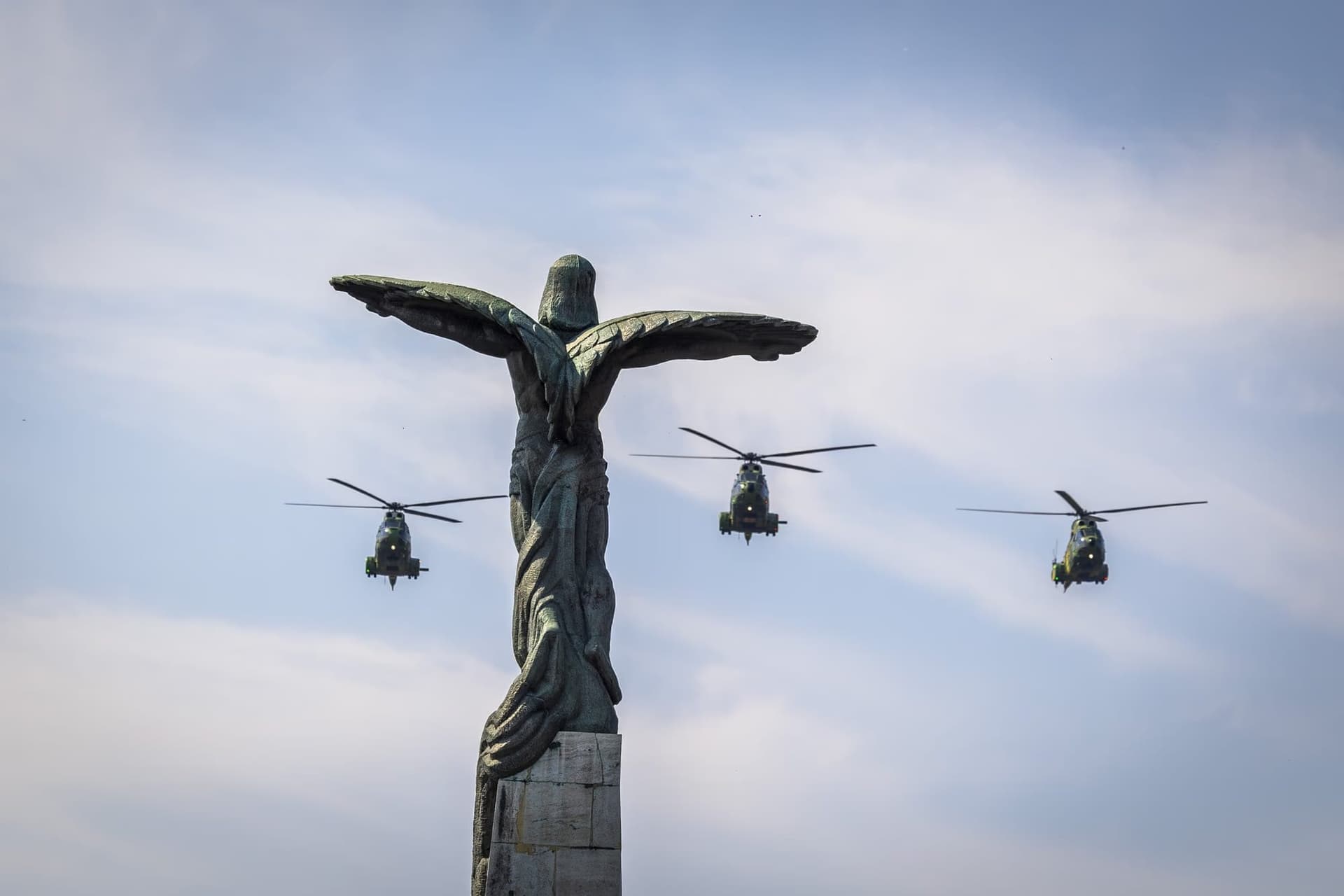
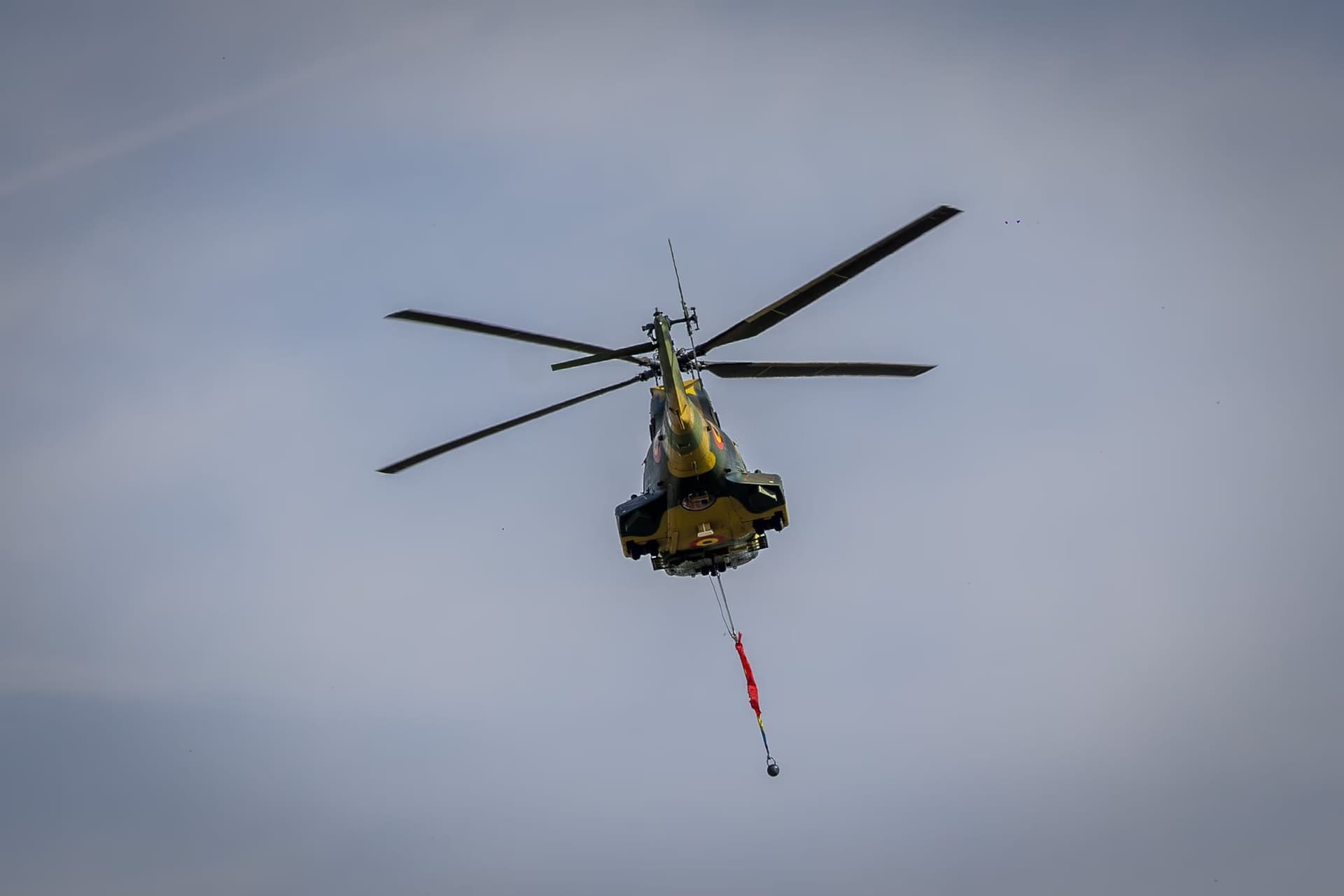
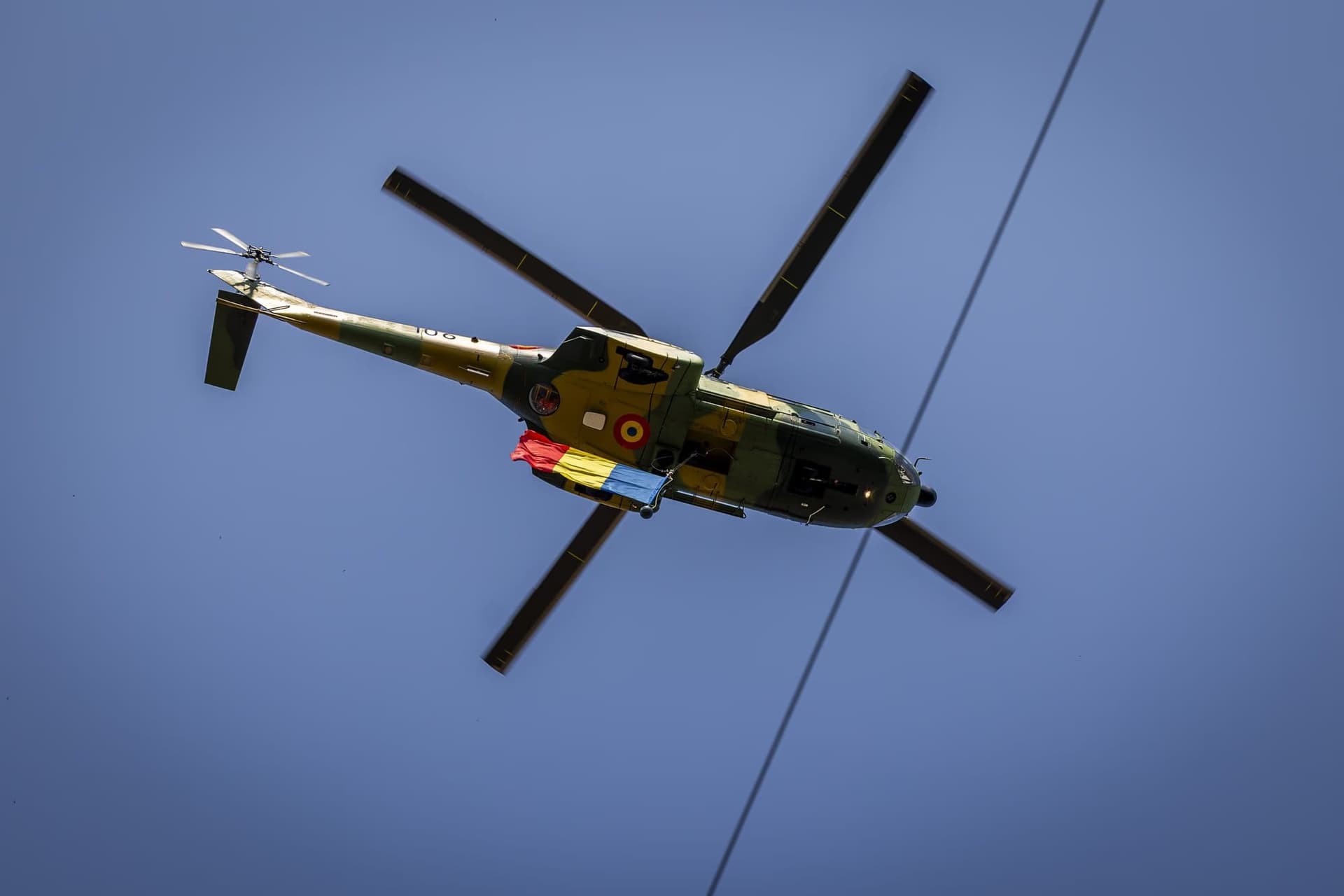
The flyover opened the morning — and it opened the way it should: with the flag. An IAR-330 Puma passed first, the tricolour stretched beneath its fuselage, directly above Icarus.
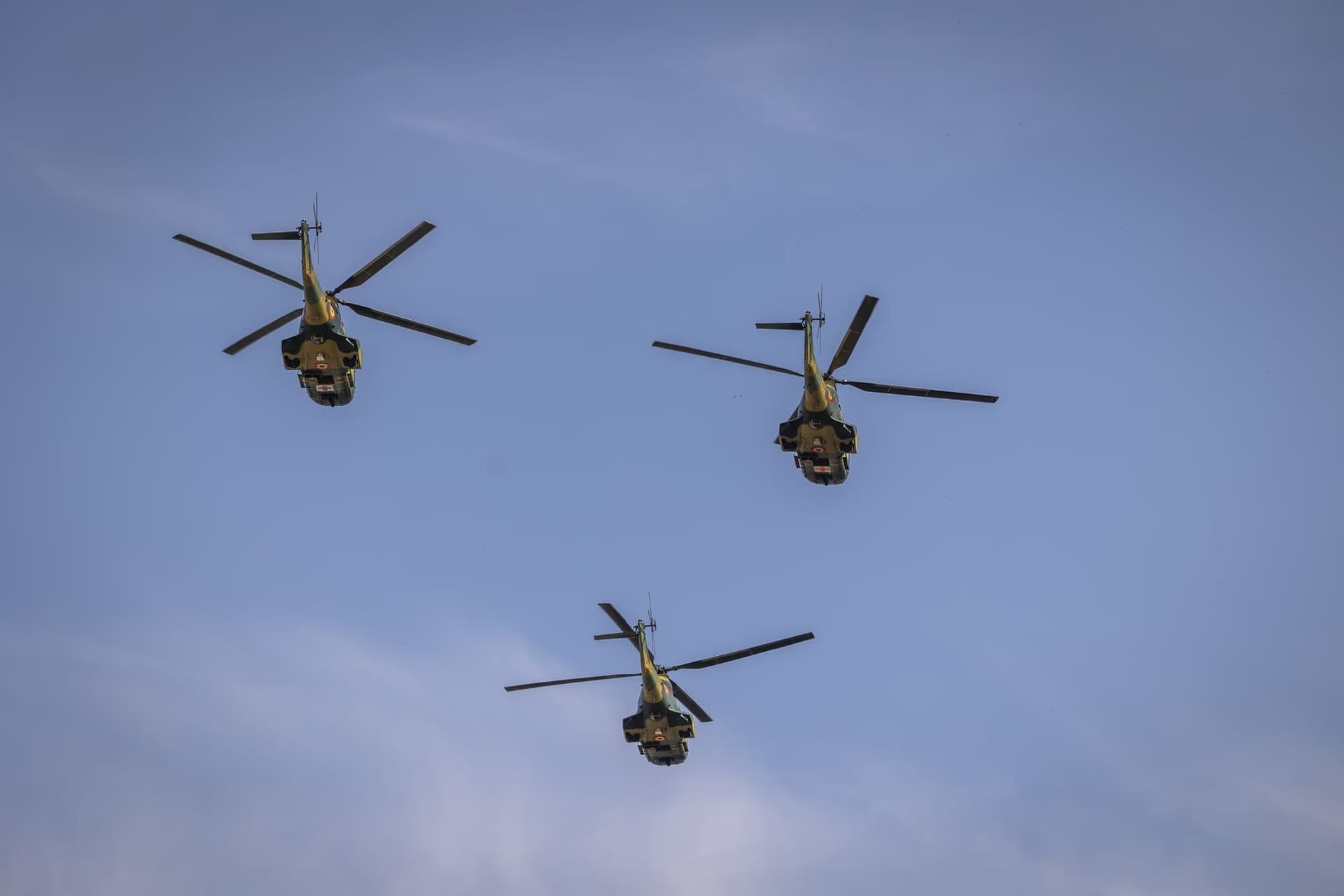
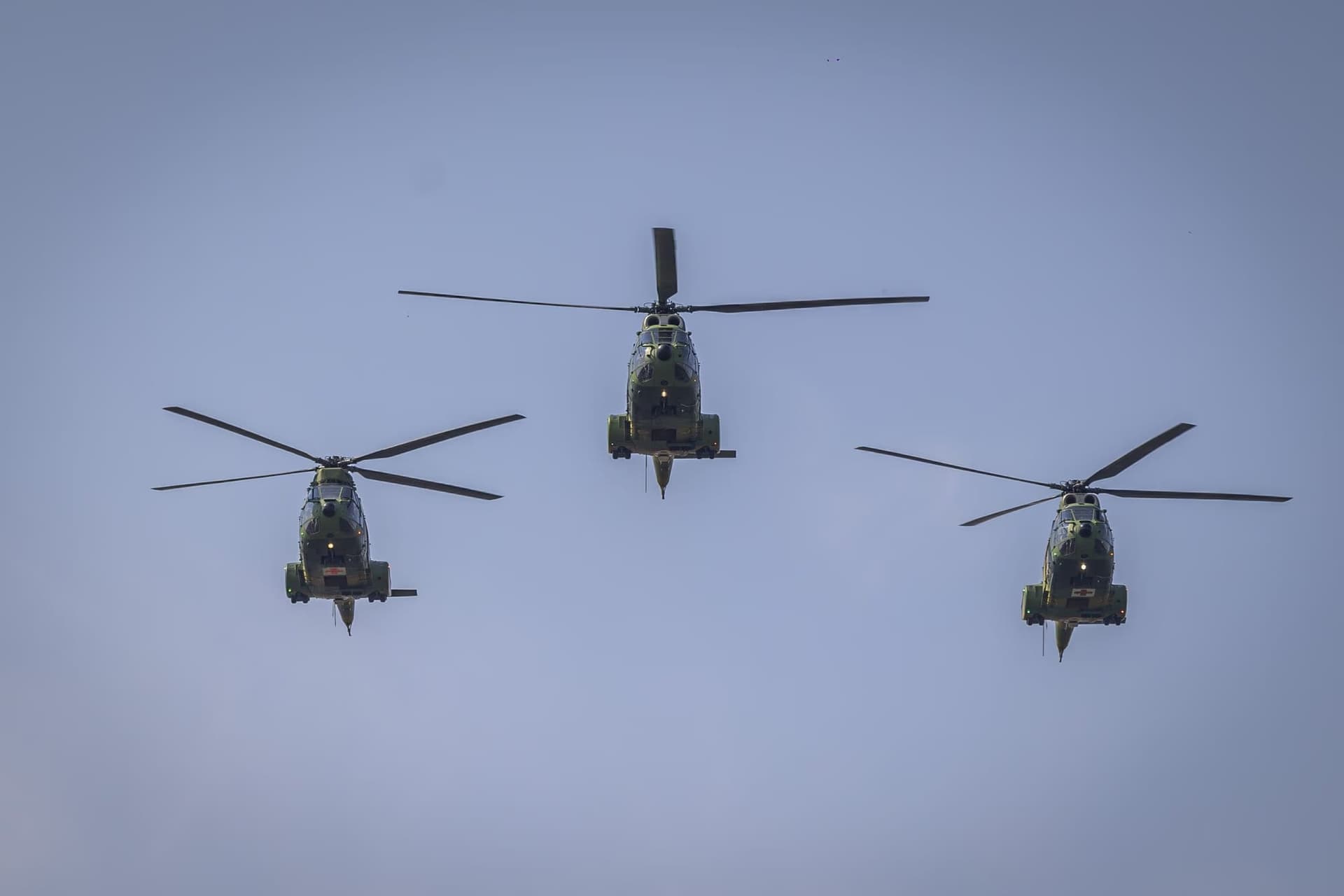
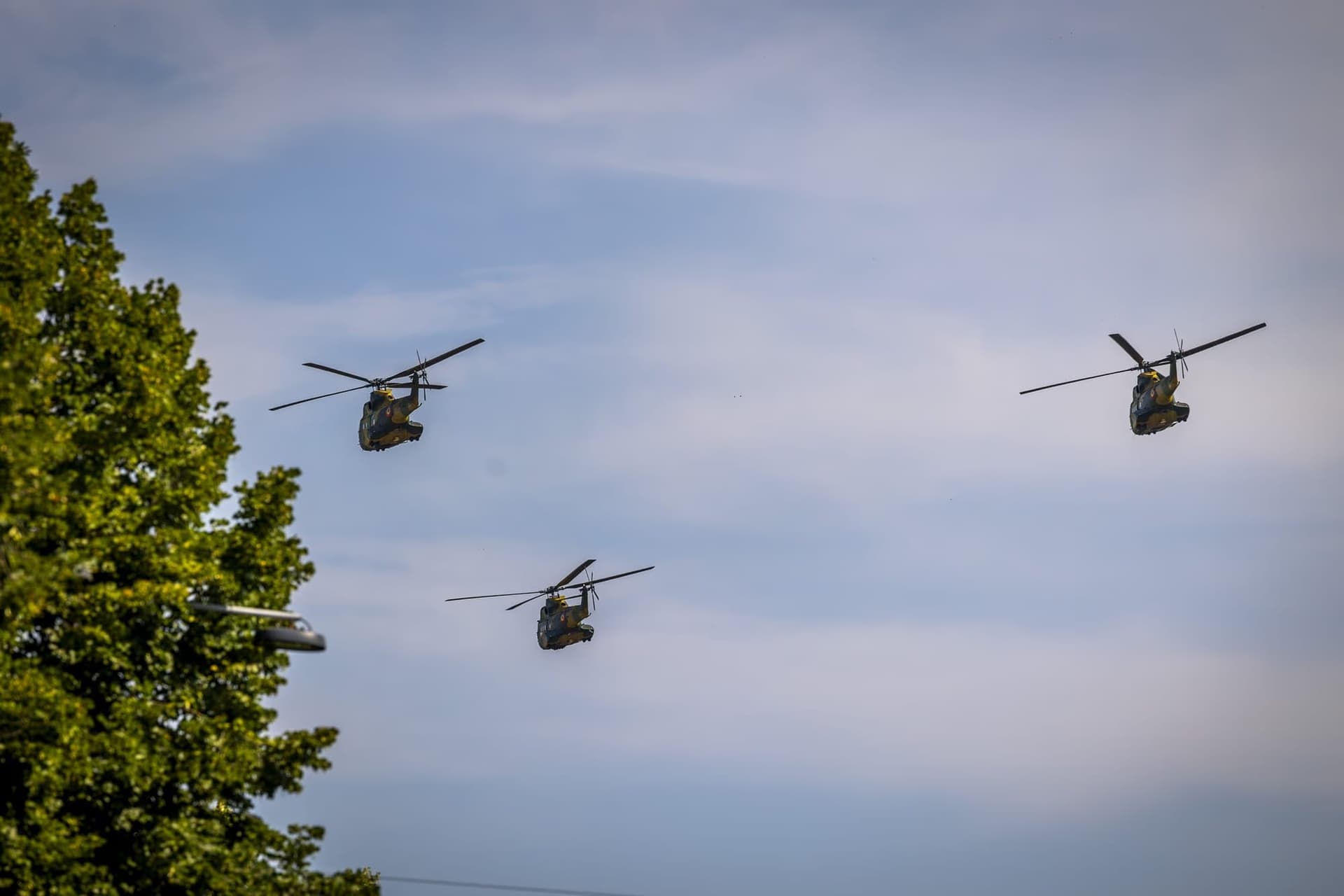
Behind it came the other Pumas — built in Brașov under French licence, in service for decades.
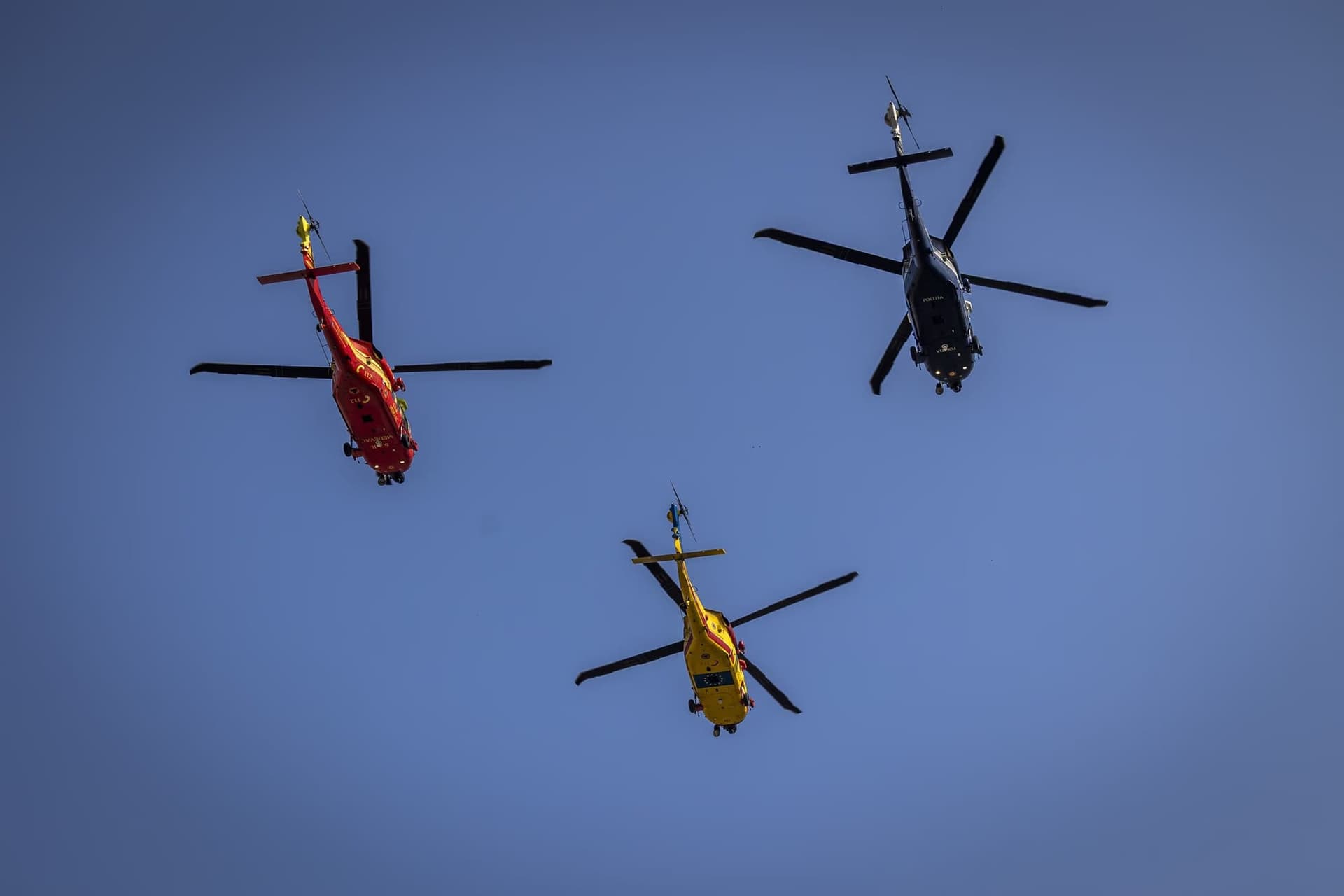
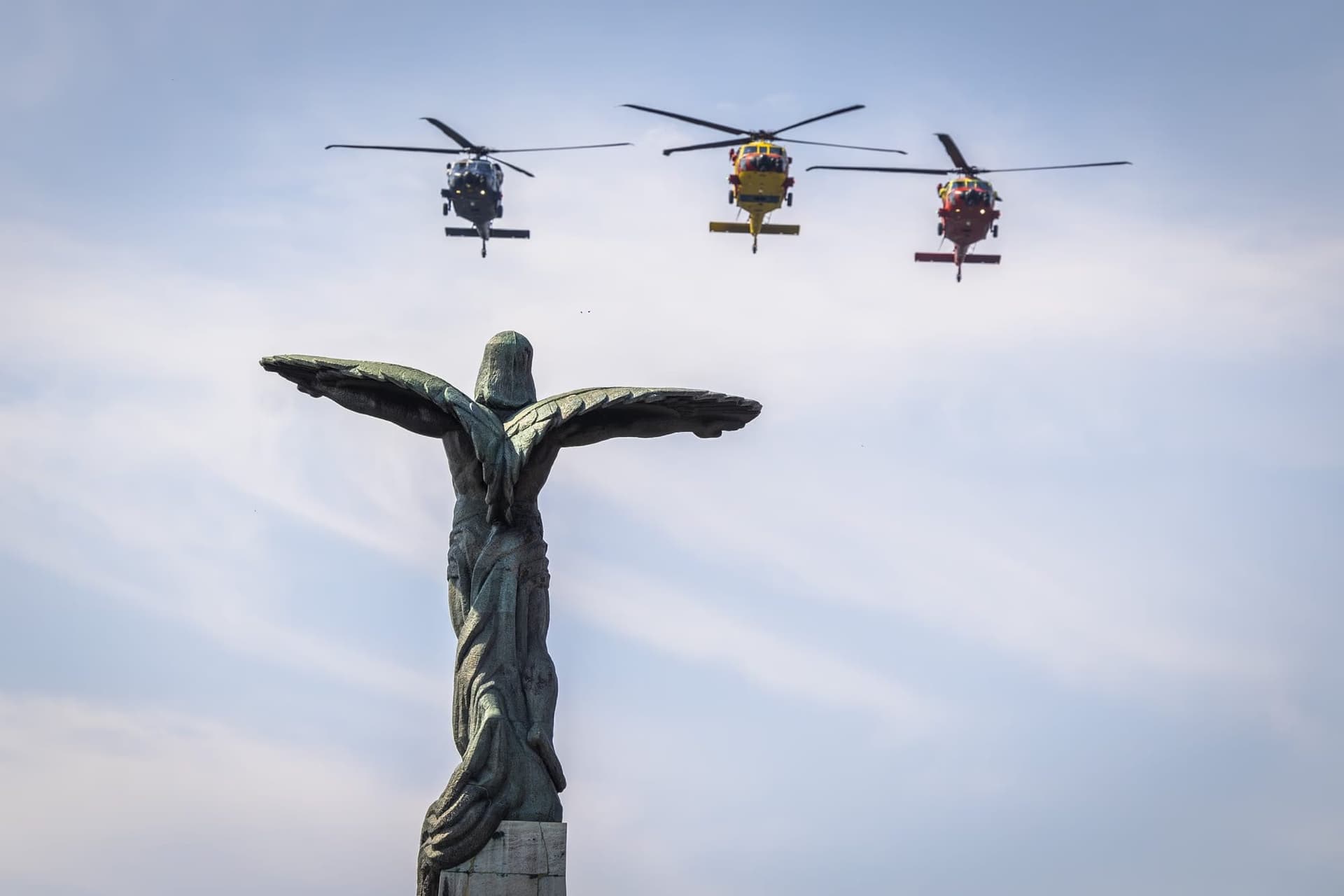
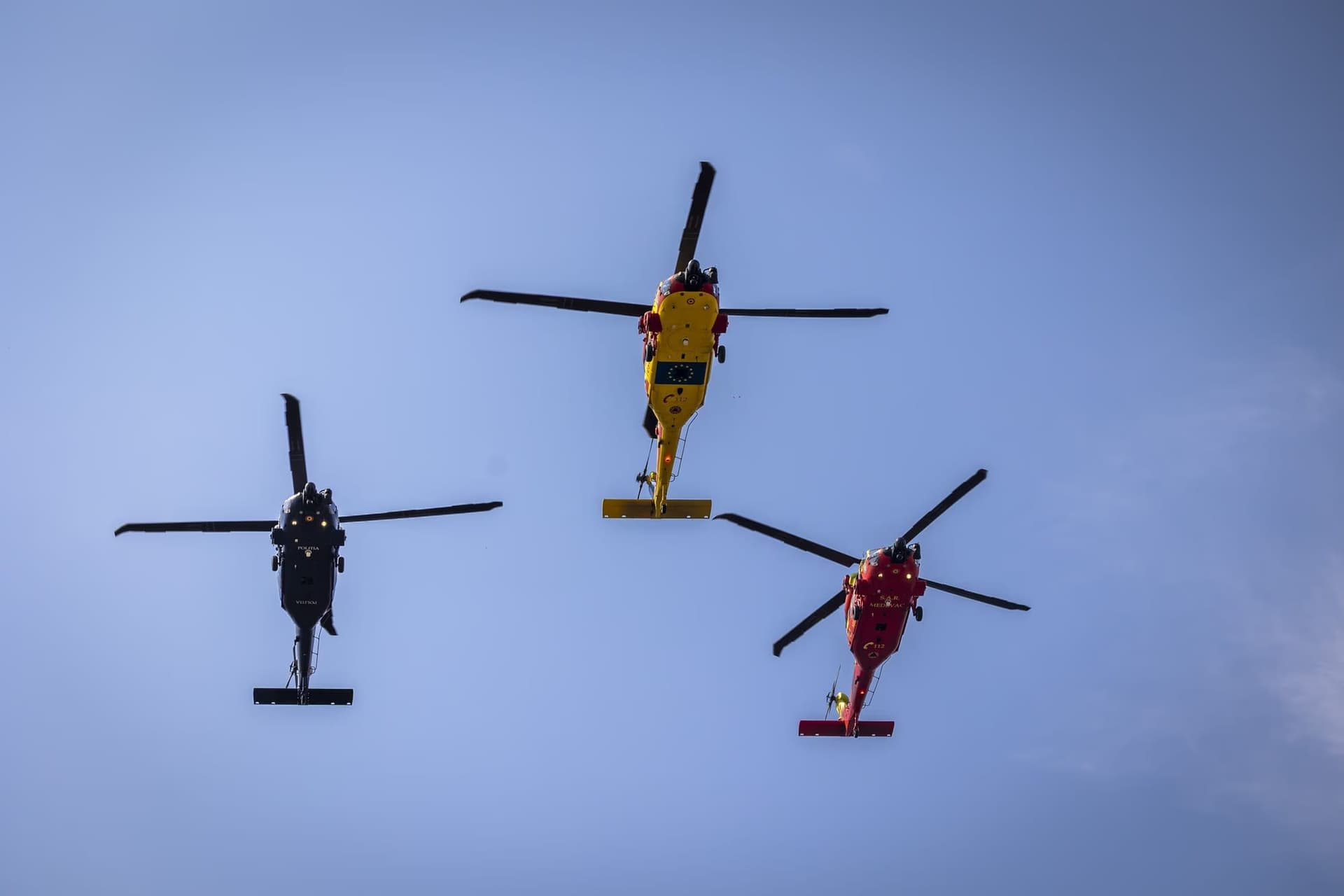
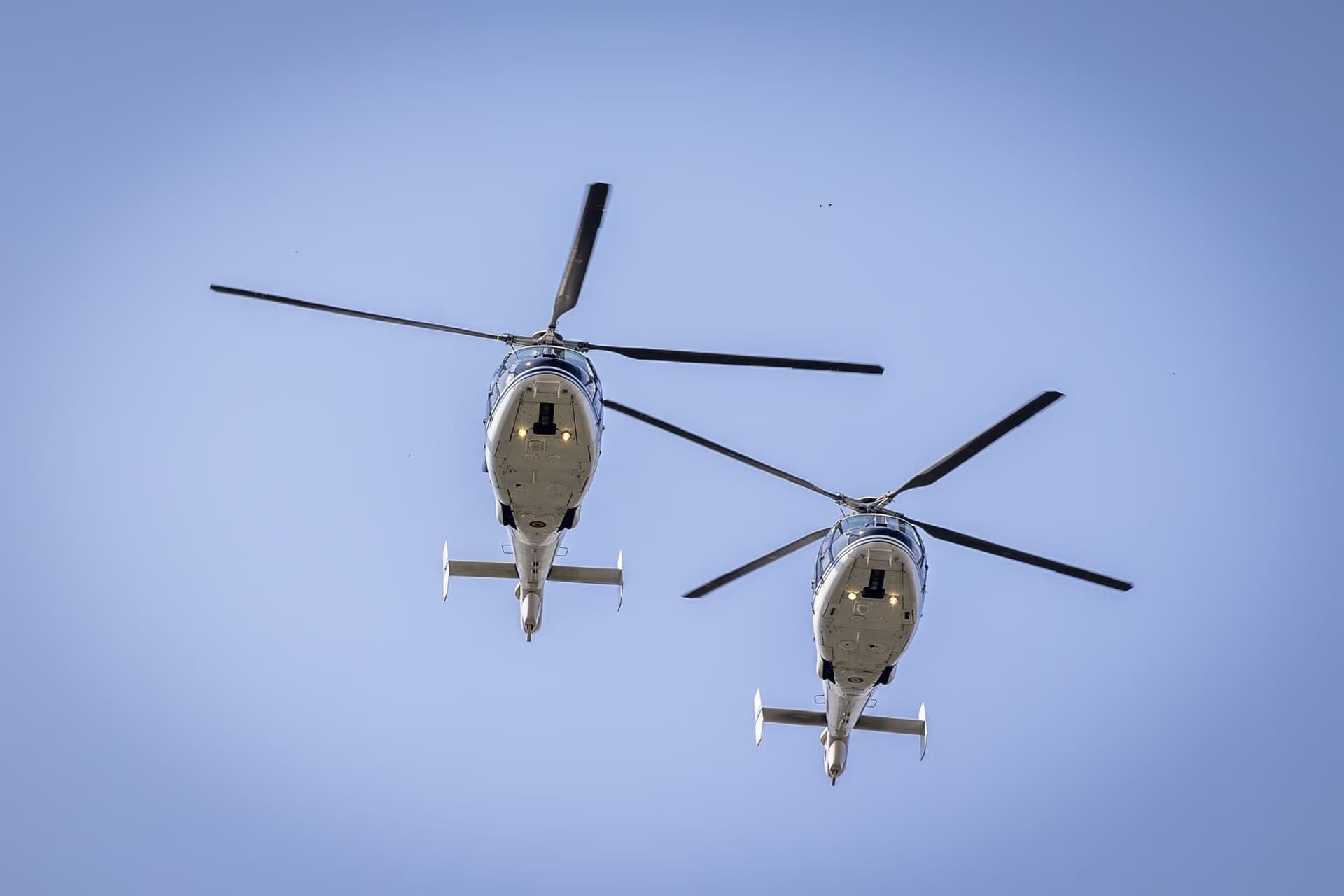
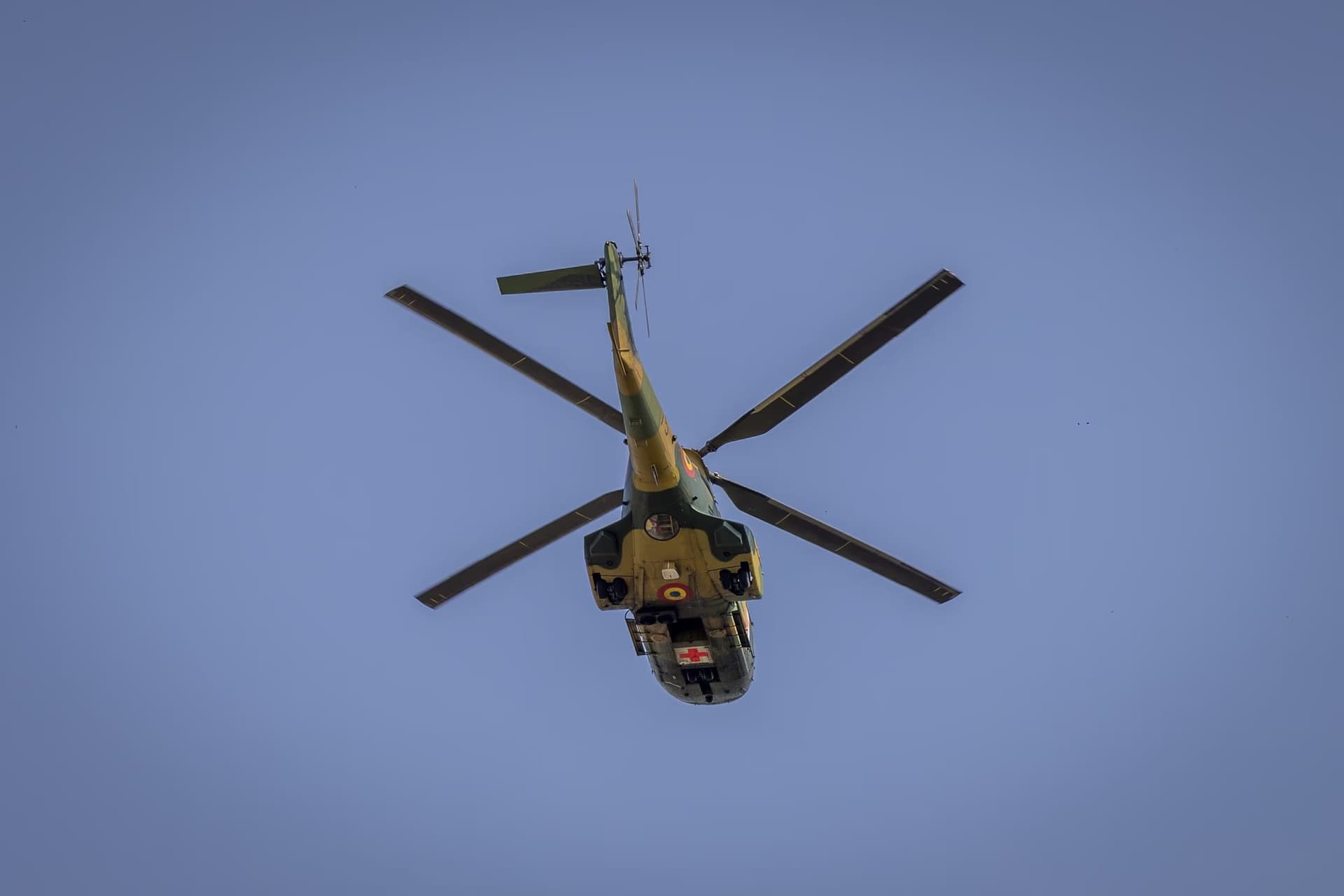
Then the helicopters of rescue and special missions: EC-135 SMURD, Black Hawk, Dauphin.
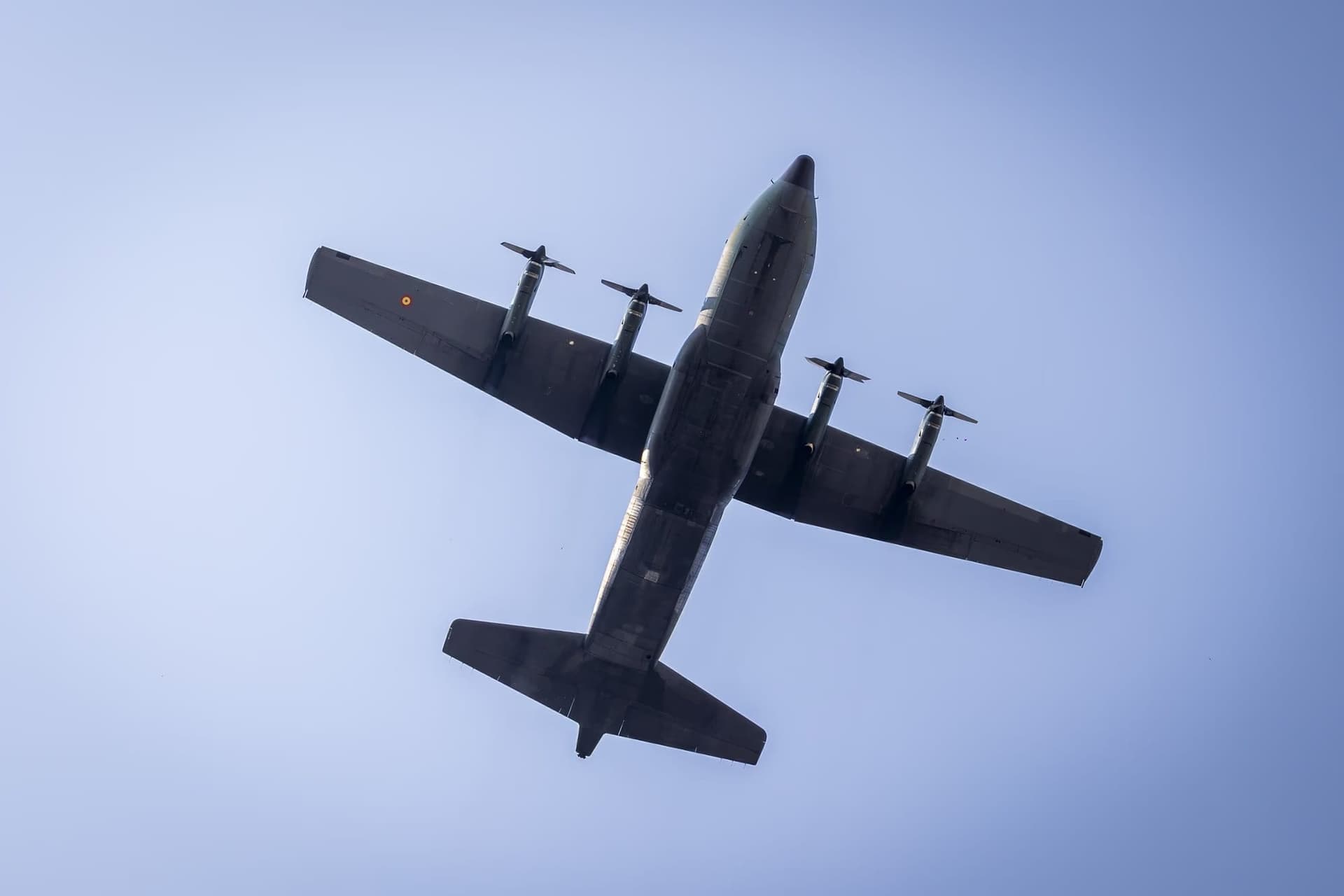
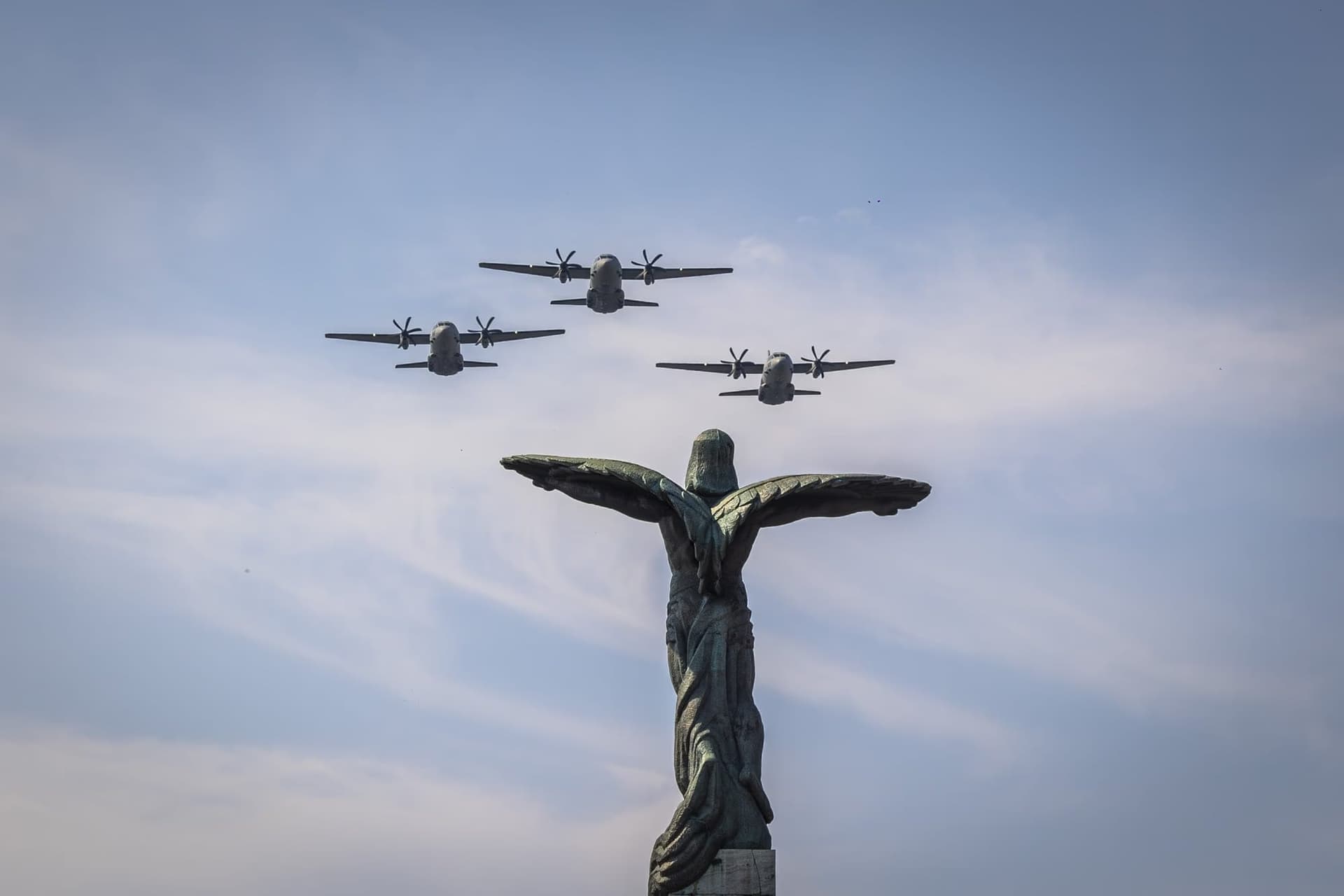
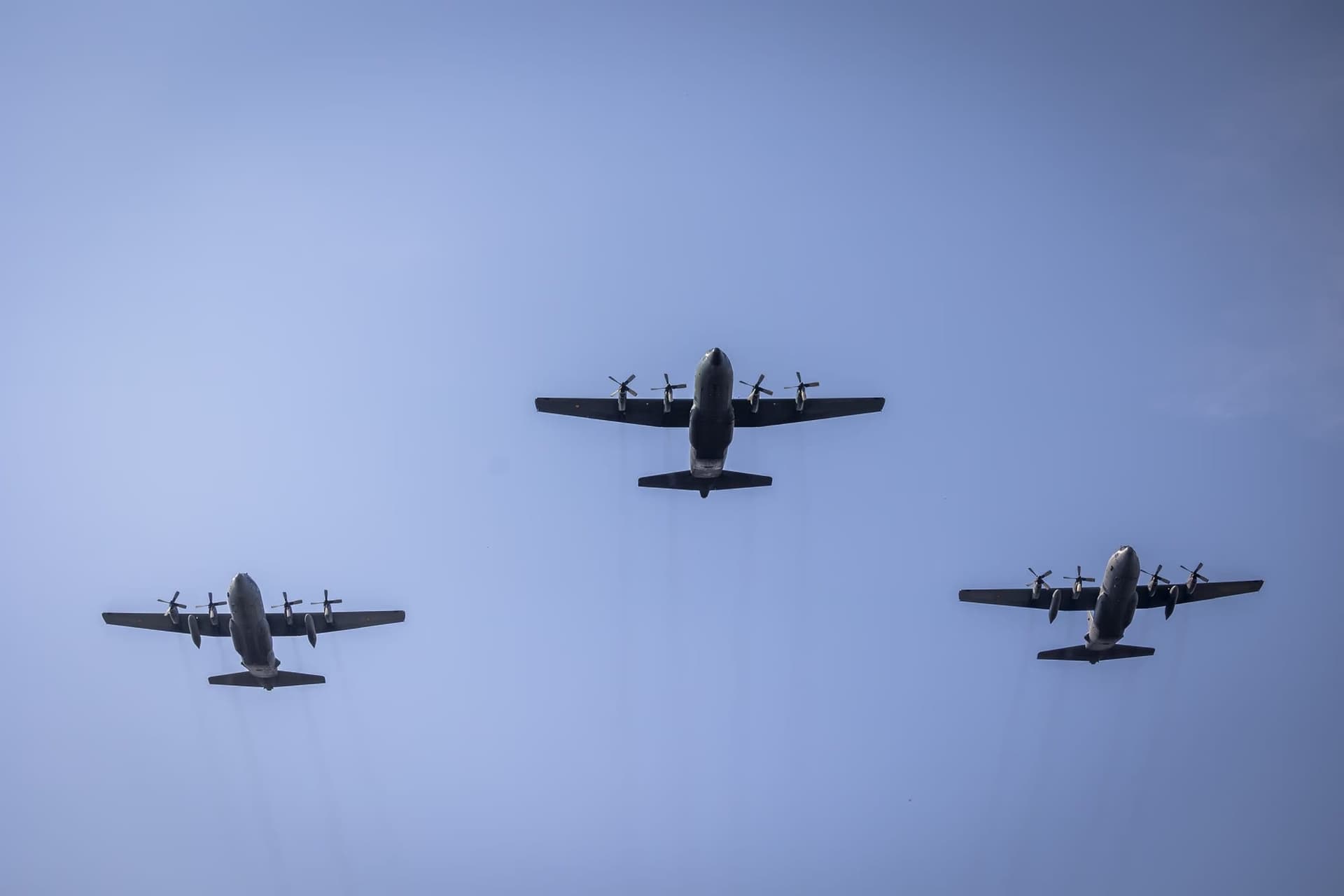
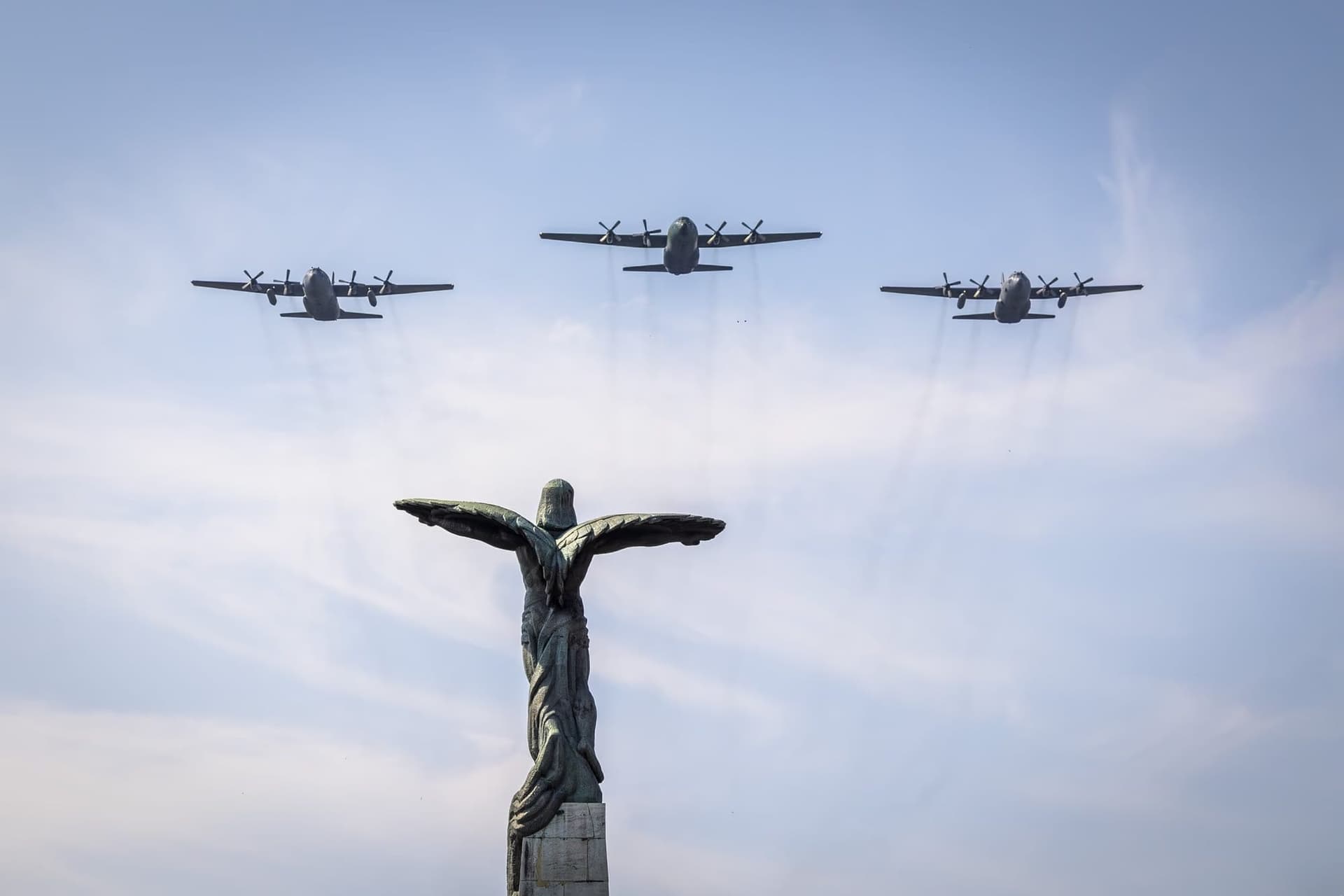
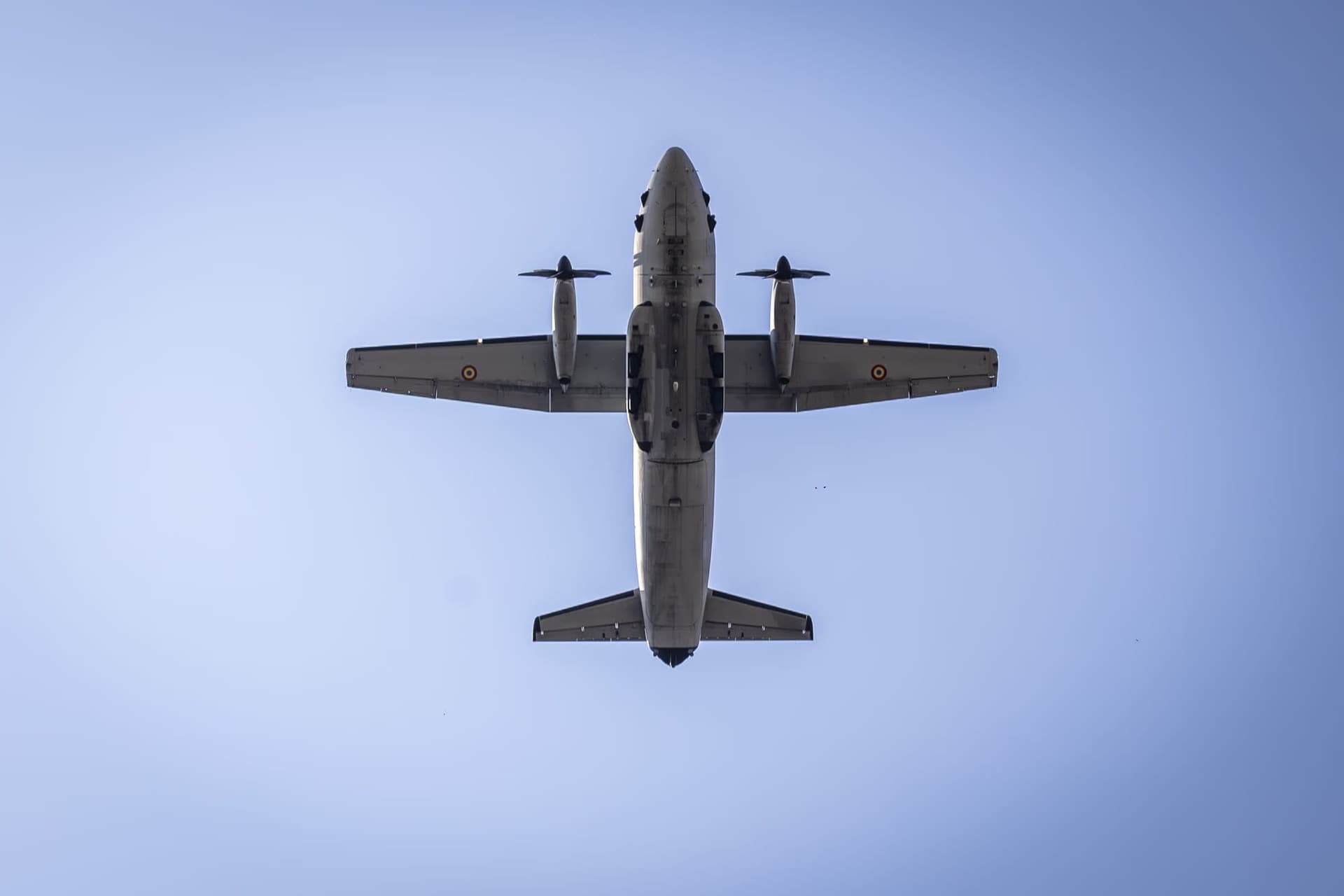
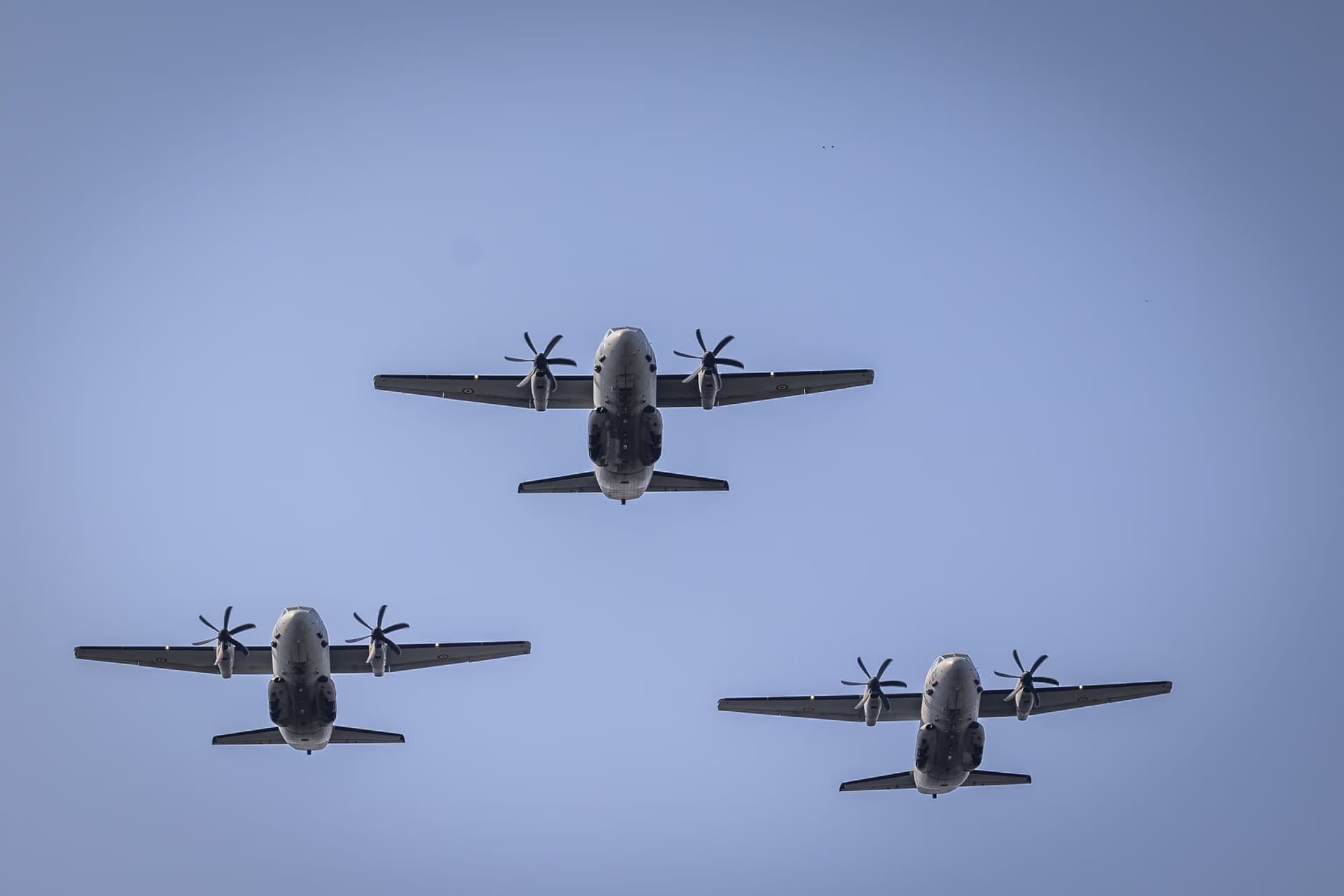
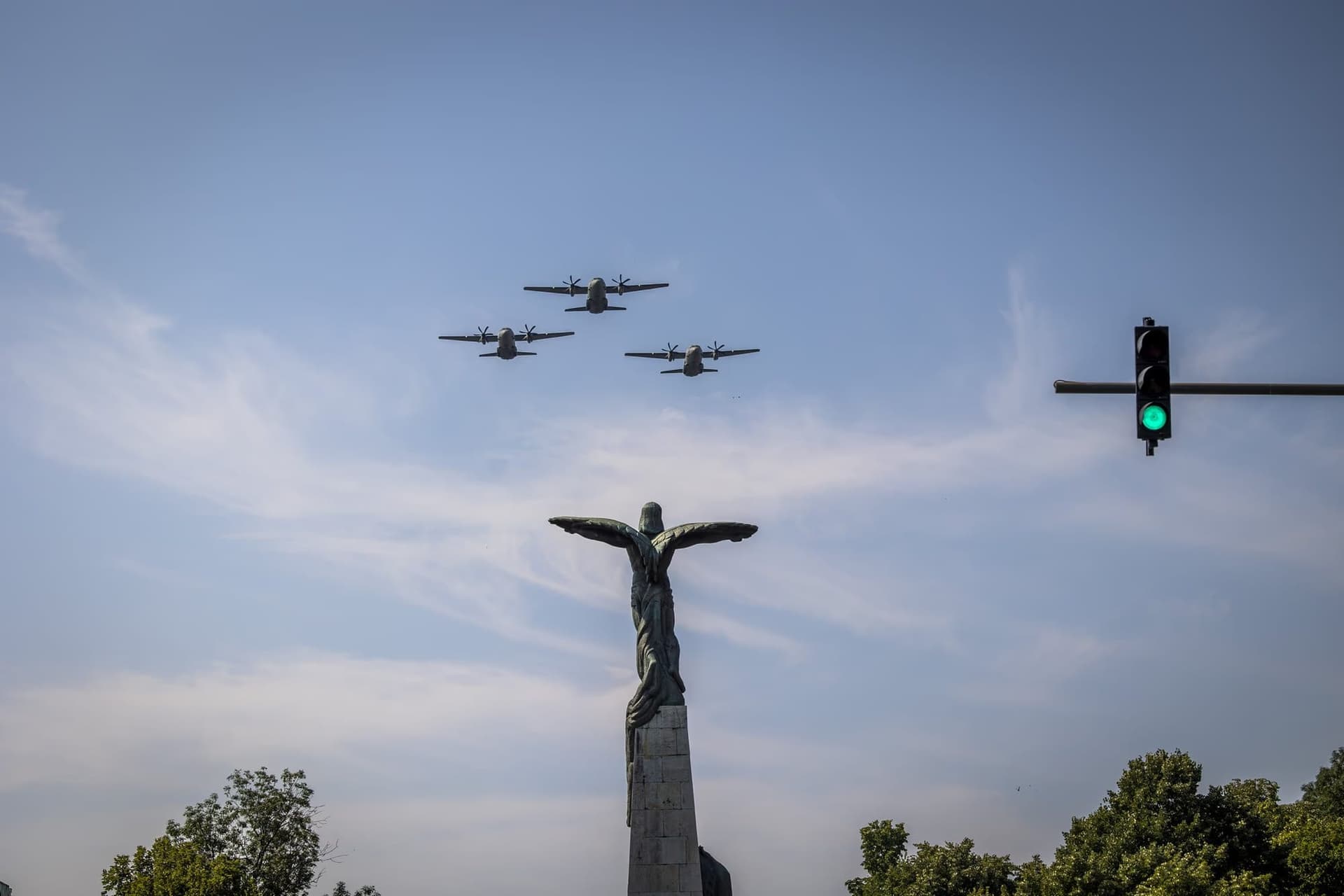
Then the heavies: C-130 Hercules and C-27J Spartan from the 90th Air Transport Base, passing low, with the thousands of horsepower you feel in your chest. The announced programme also included the An-30 and a Learjet 75.
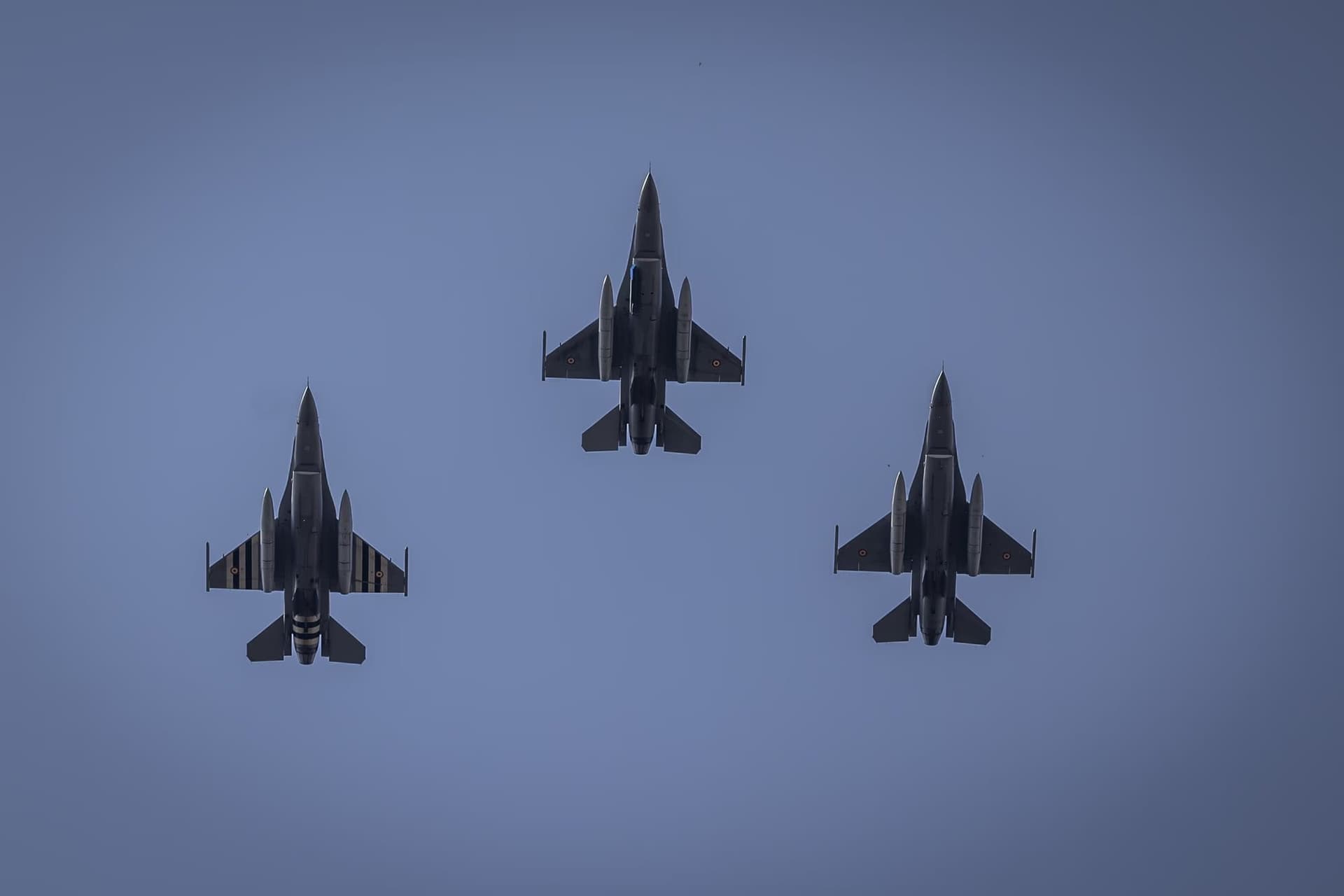
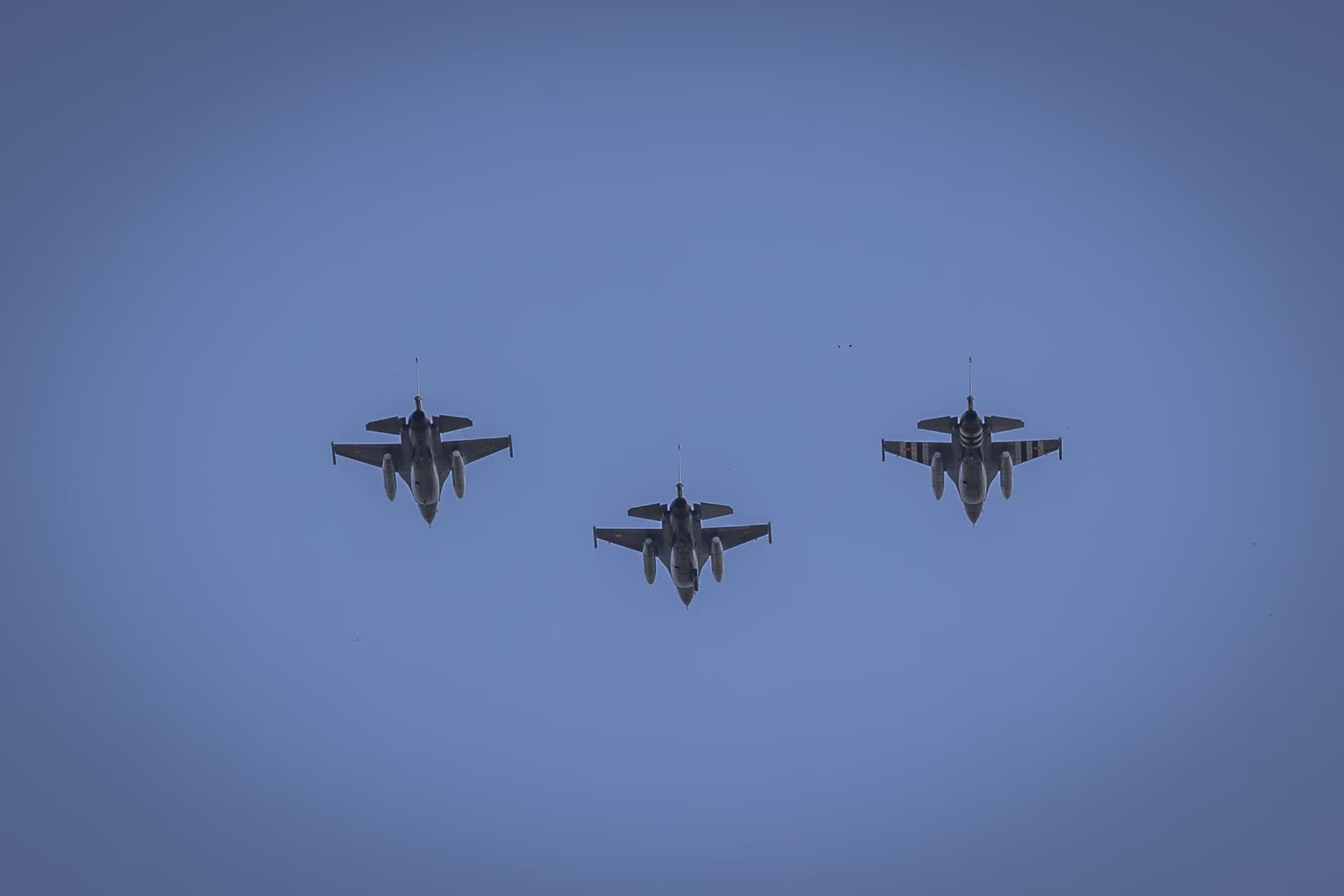
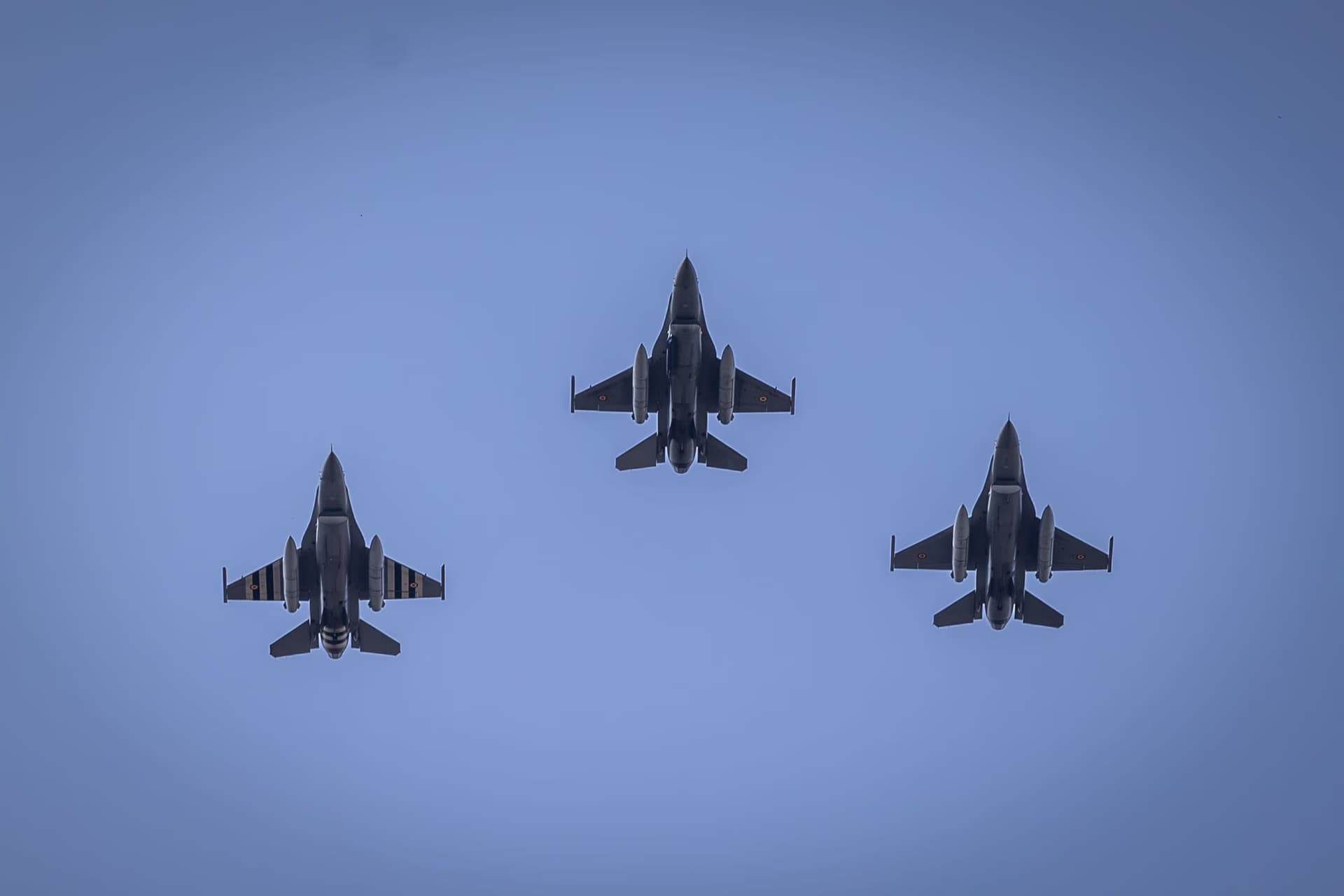
Then the fighters: Romanian Air Force F-16 Fighting Falcons, in formations of three and four — the aircraft that take part in Romania's air policing missions today.
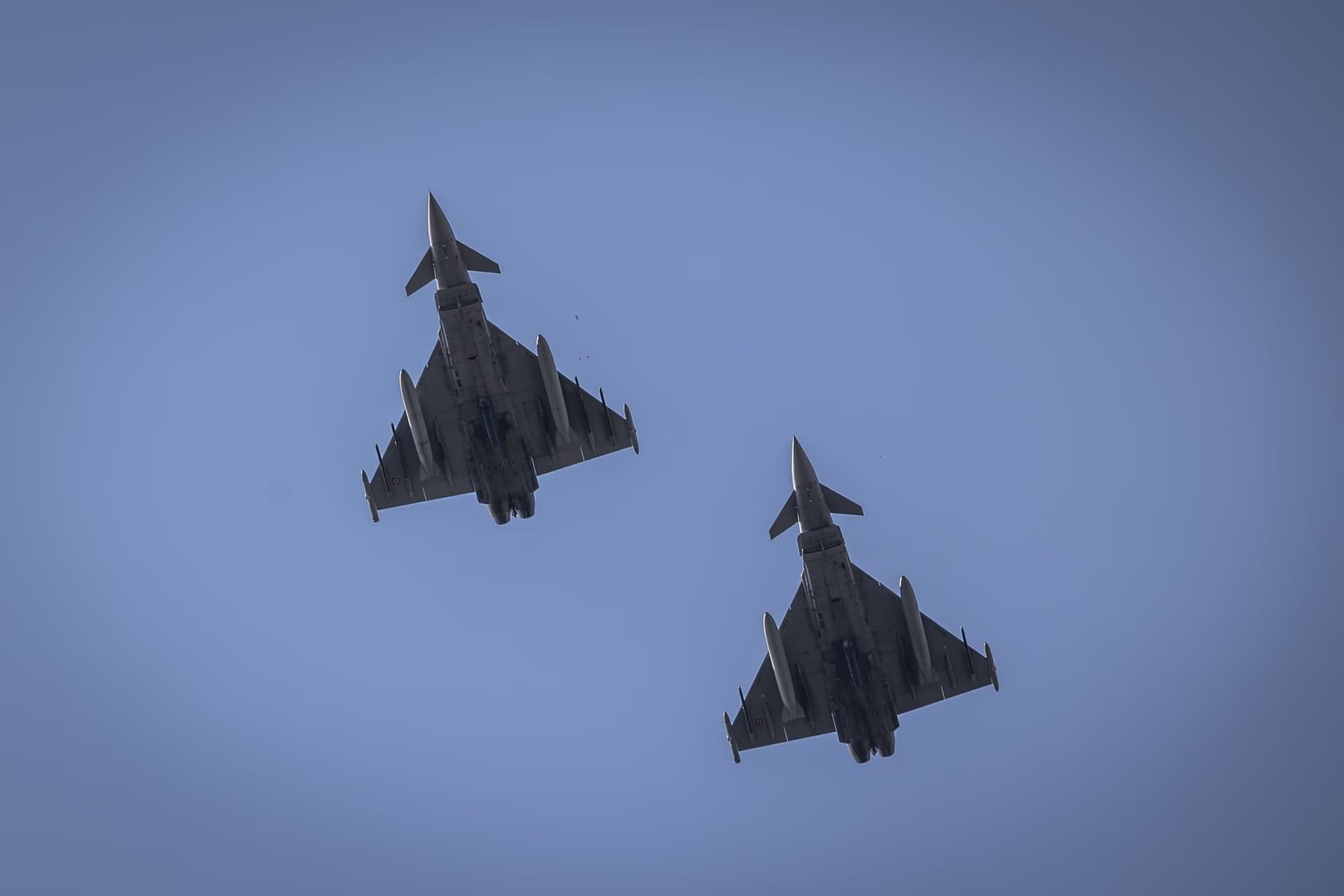
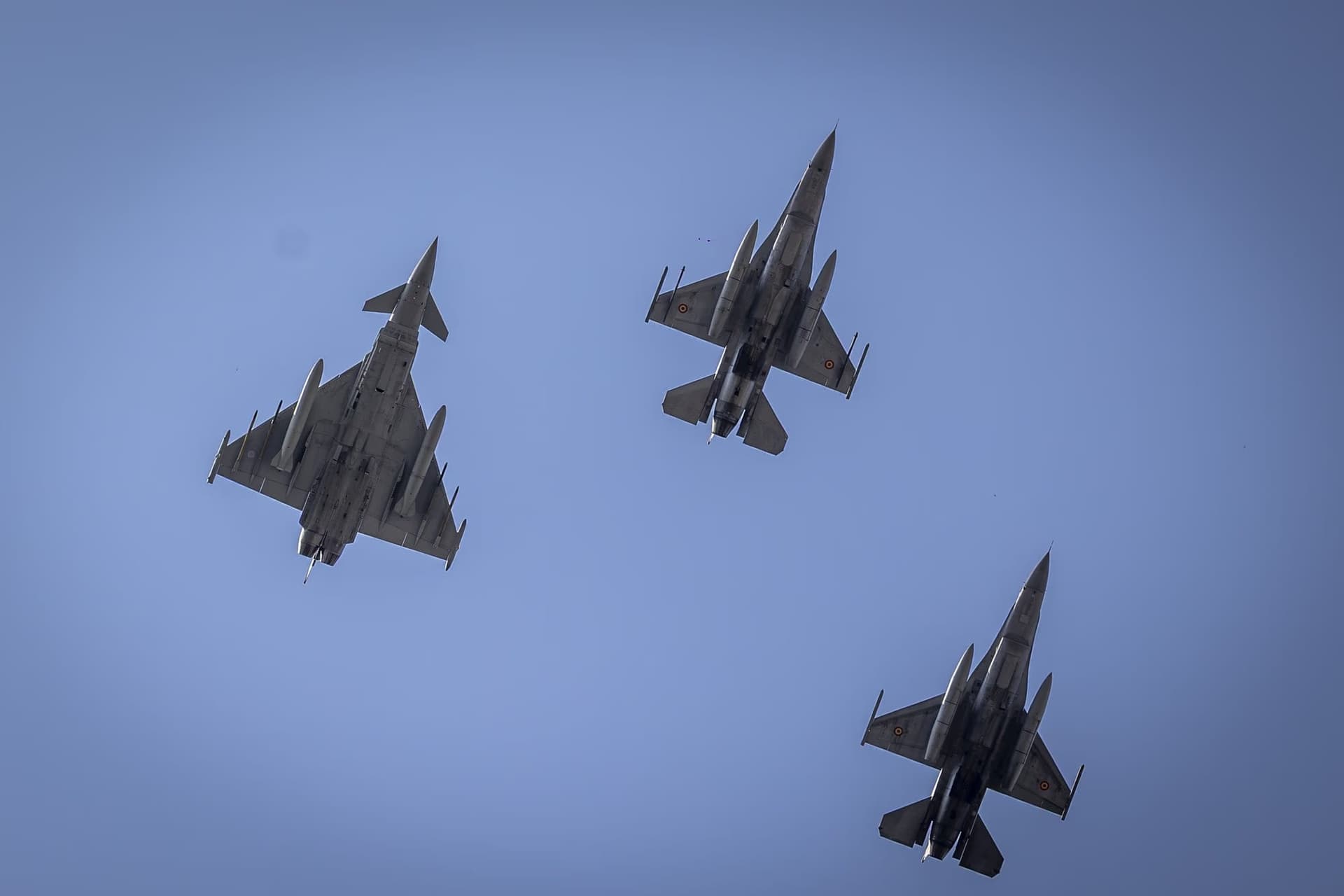
Alongside them, the guests: Eurofighter Typhoons of the Italian Air Force, deployed at Mihail Kogălniceanu for NATO's enhanced air policing missions. In one of the passes, Eurofighters and F-16s flew in the same formation — to my eye, the textbook image of the eastern flank.
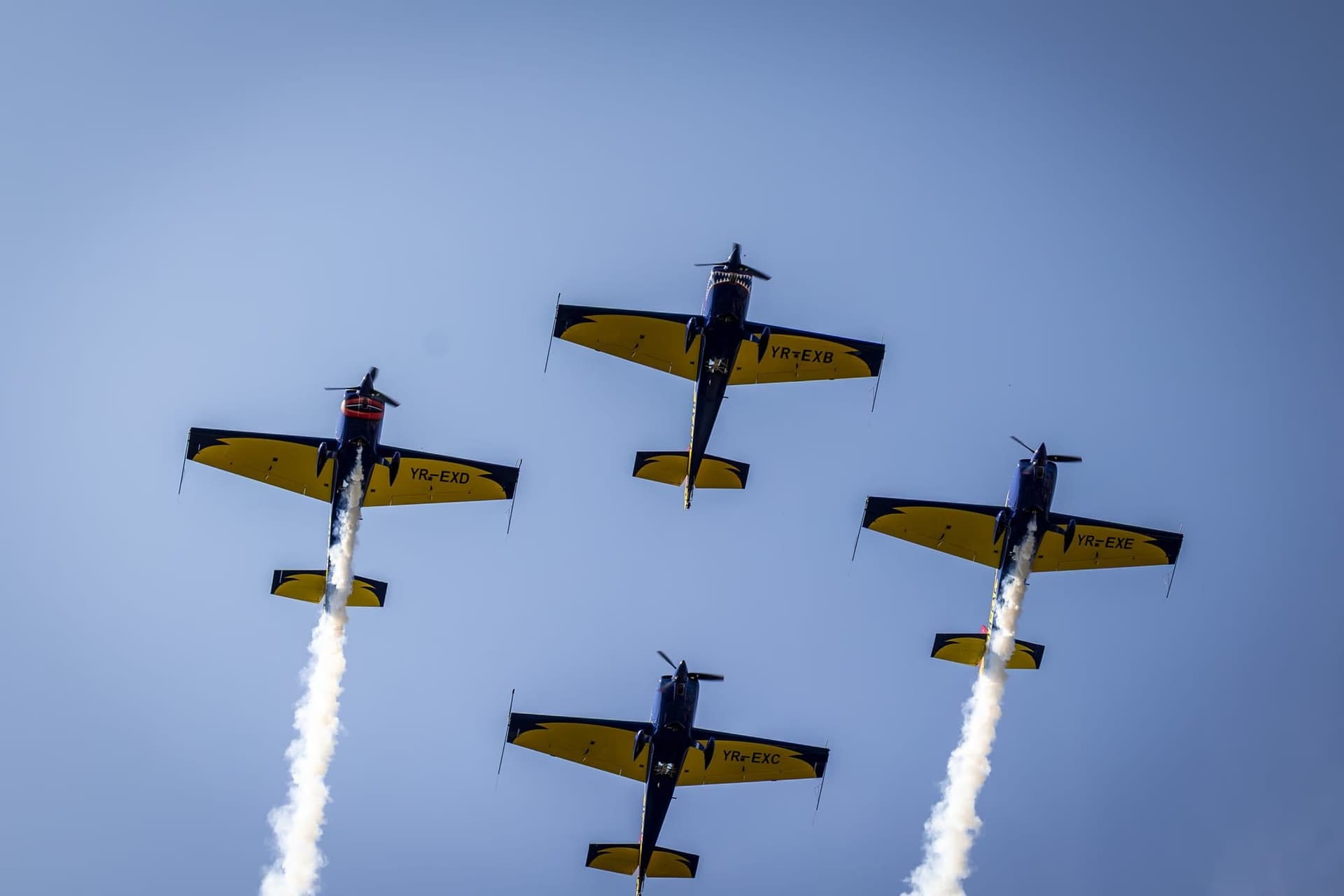
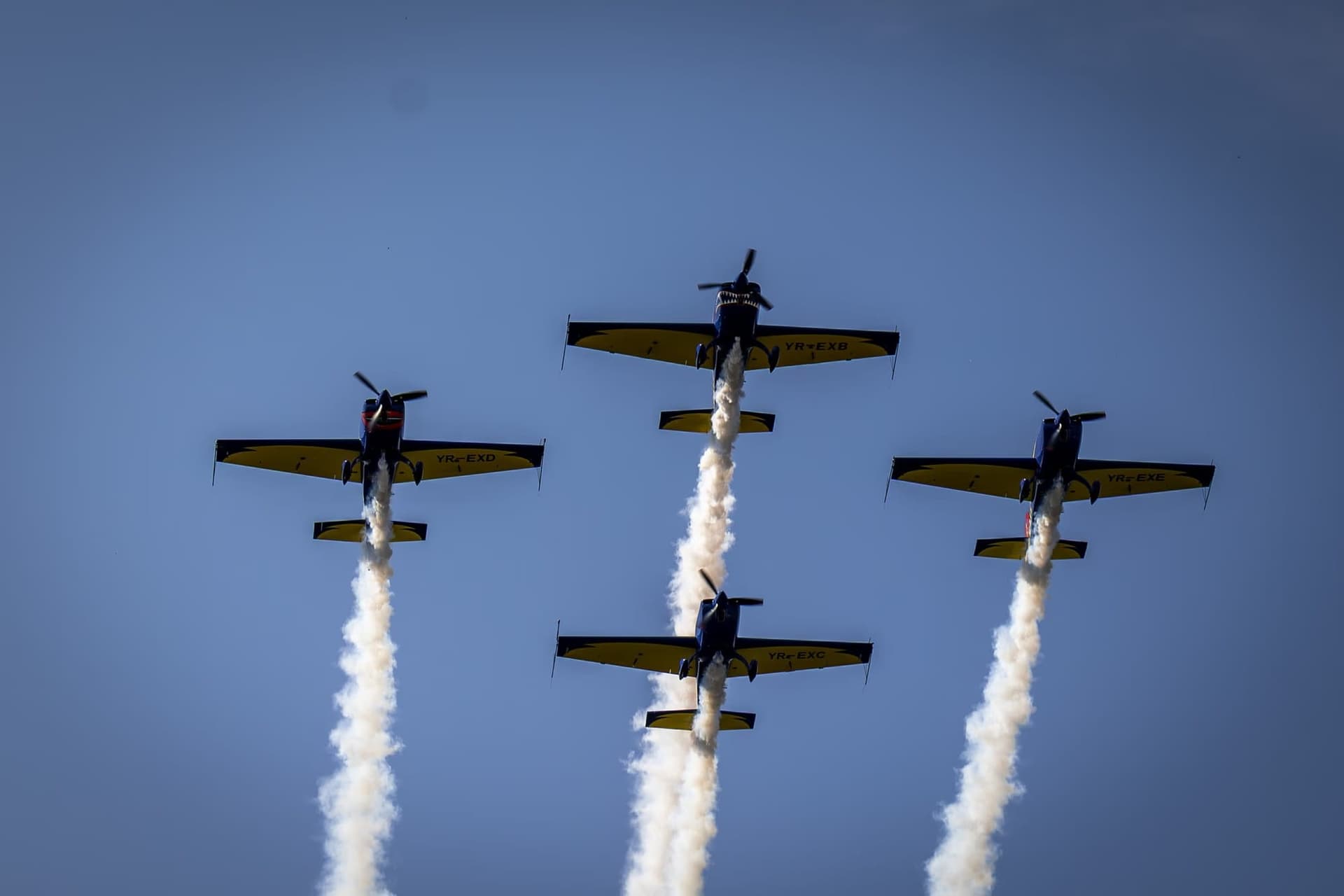
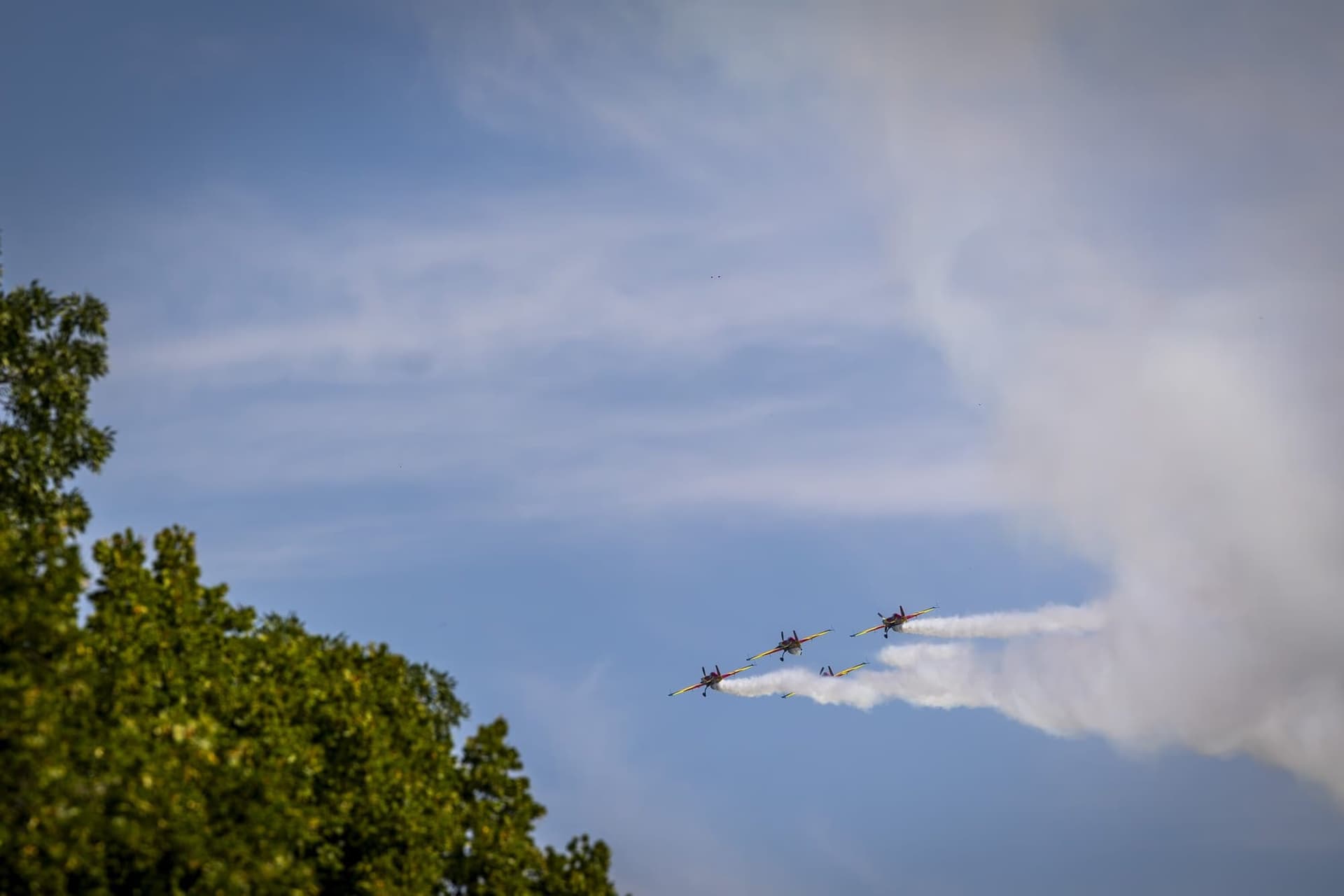
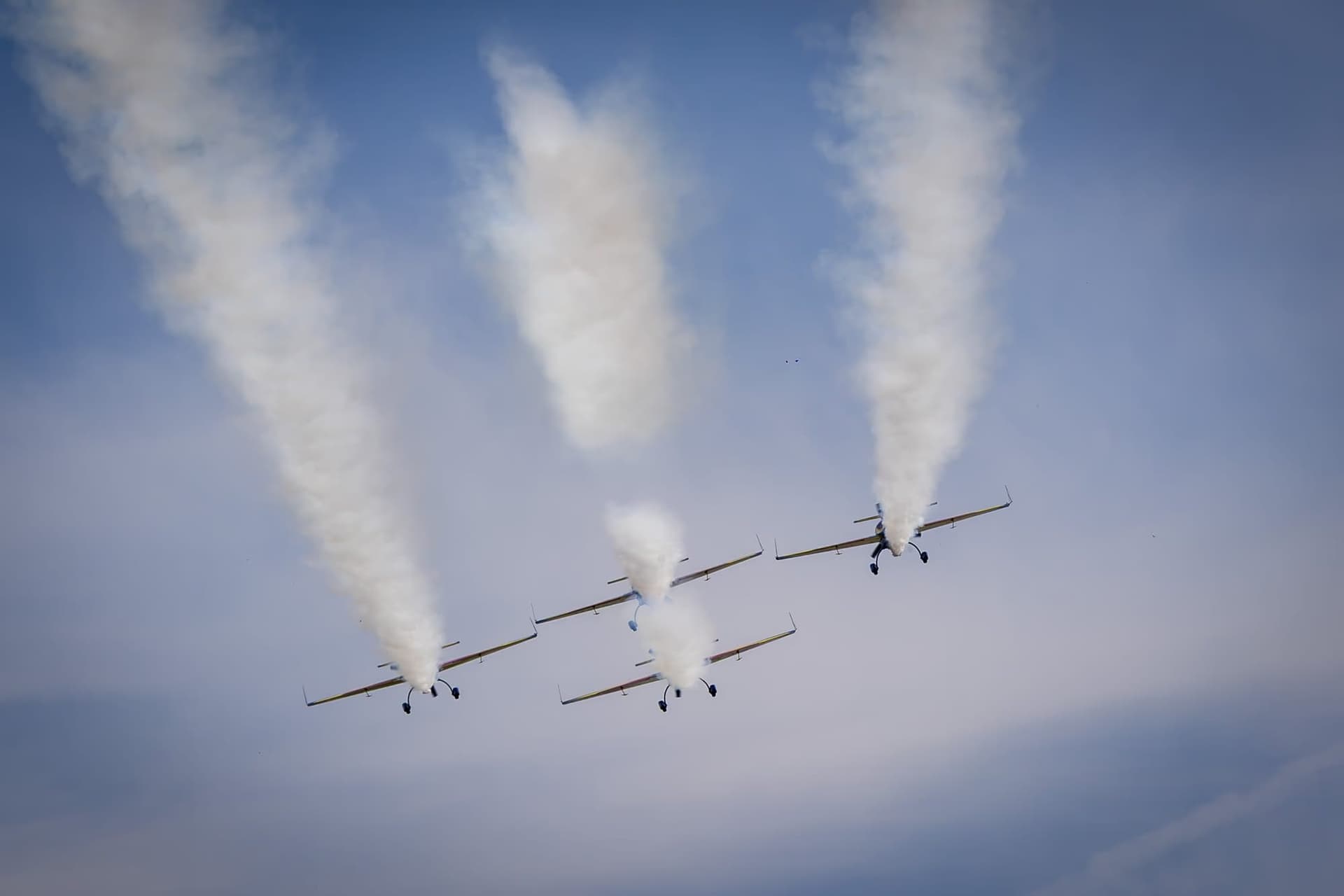
And at the end, dessert: the four Extra 300s of the Romanian Aeroclub, yellow and blue, white smoke, tight formation — the aerobatics that closed the flyover.
The wreaths and the guard
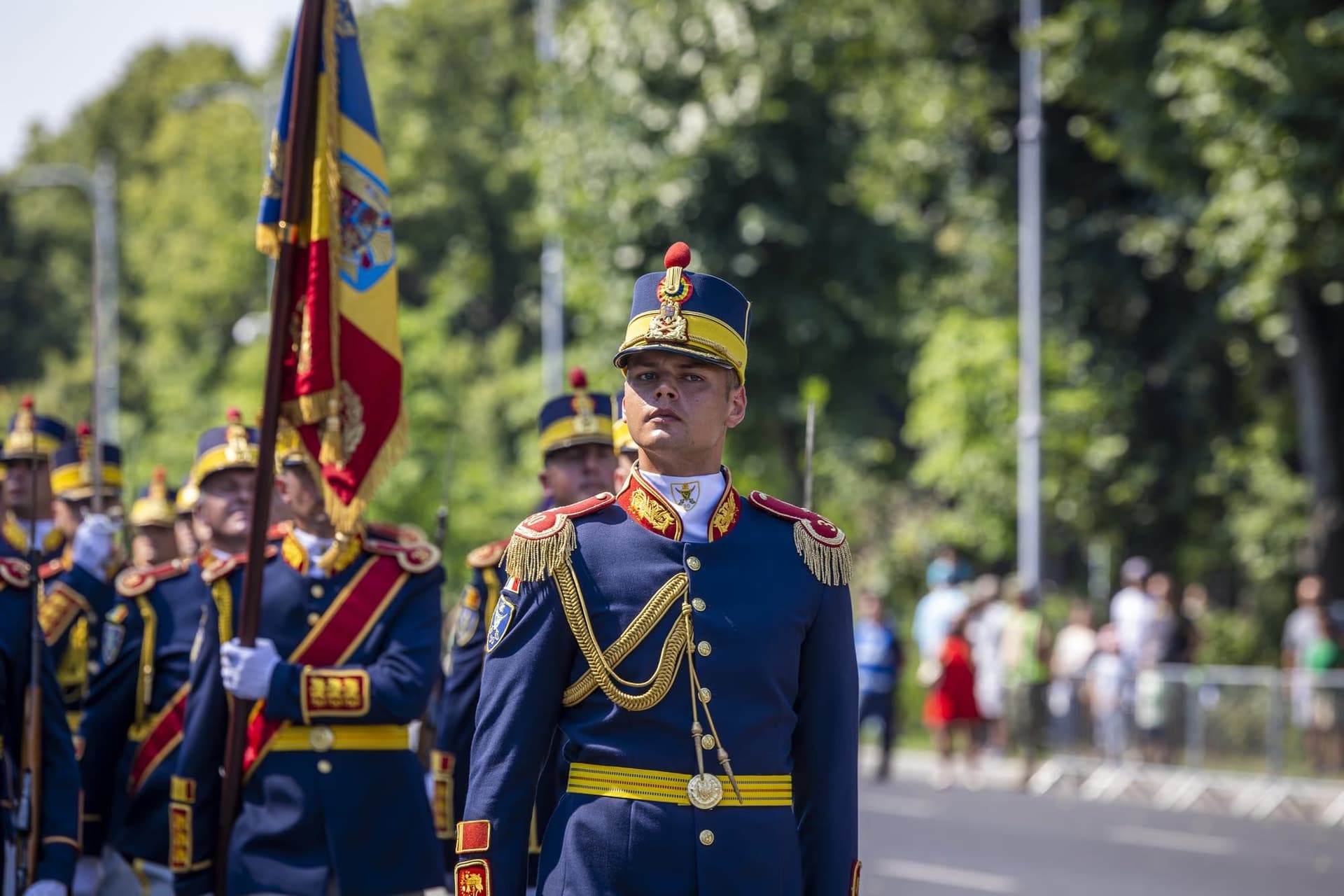
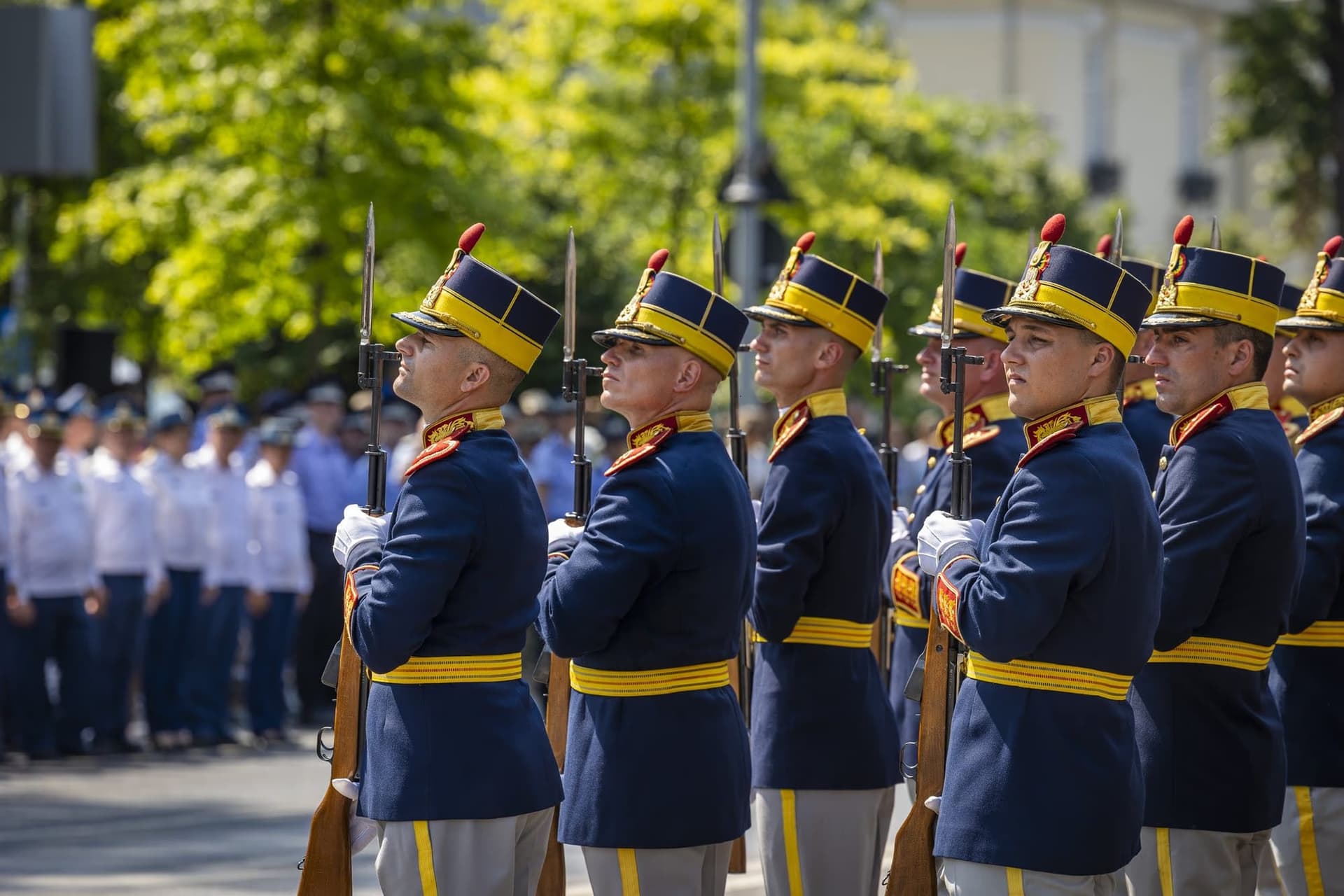
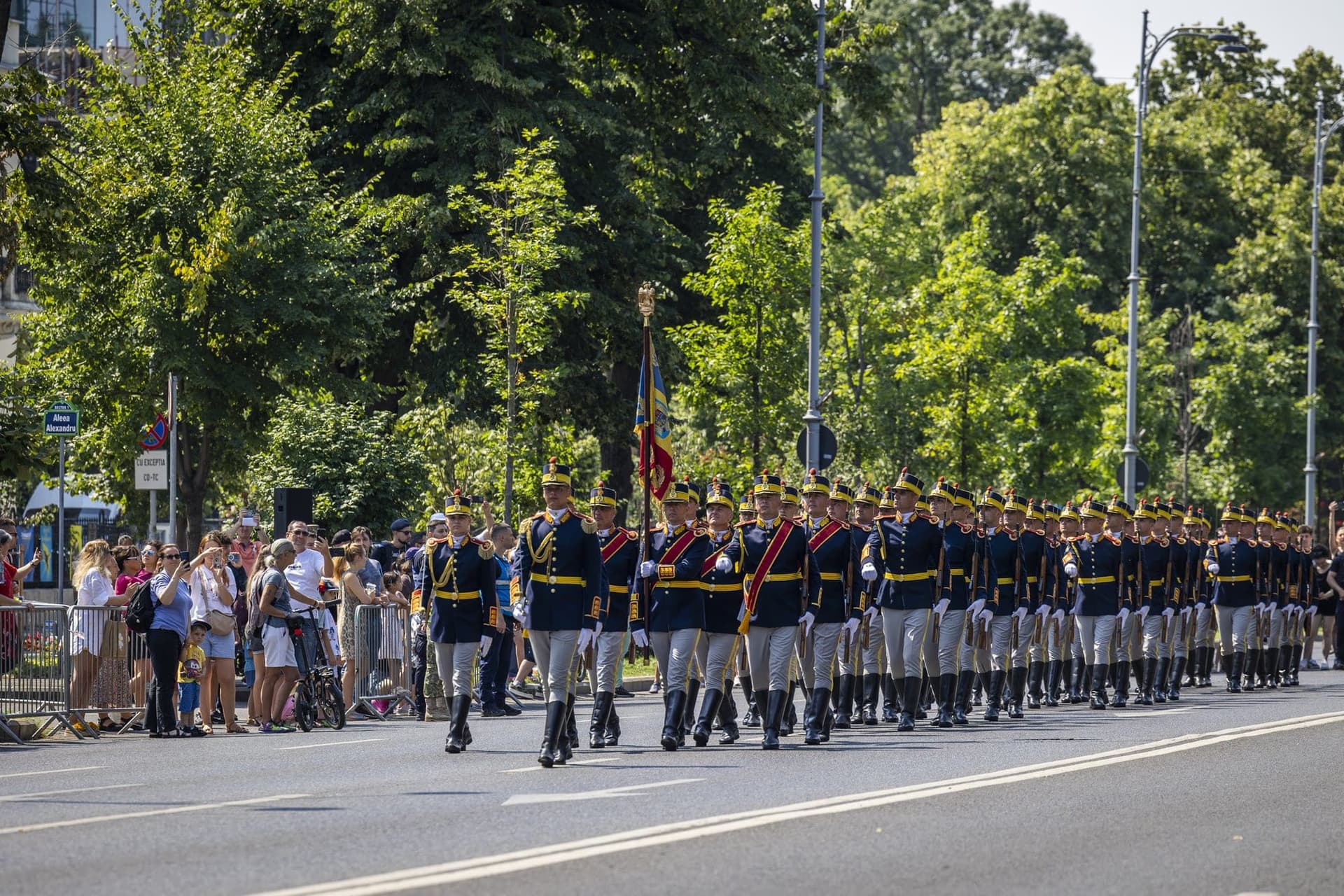
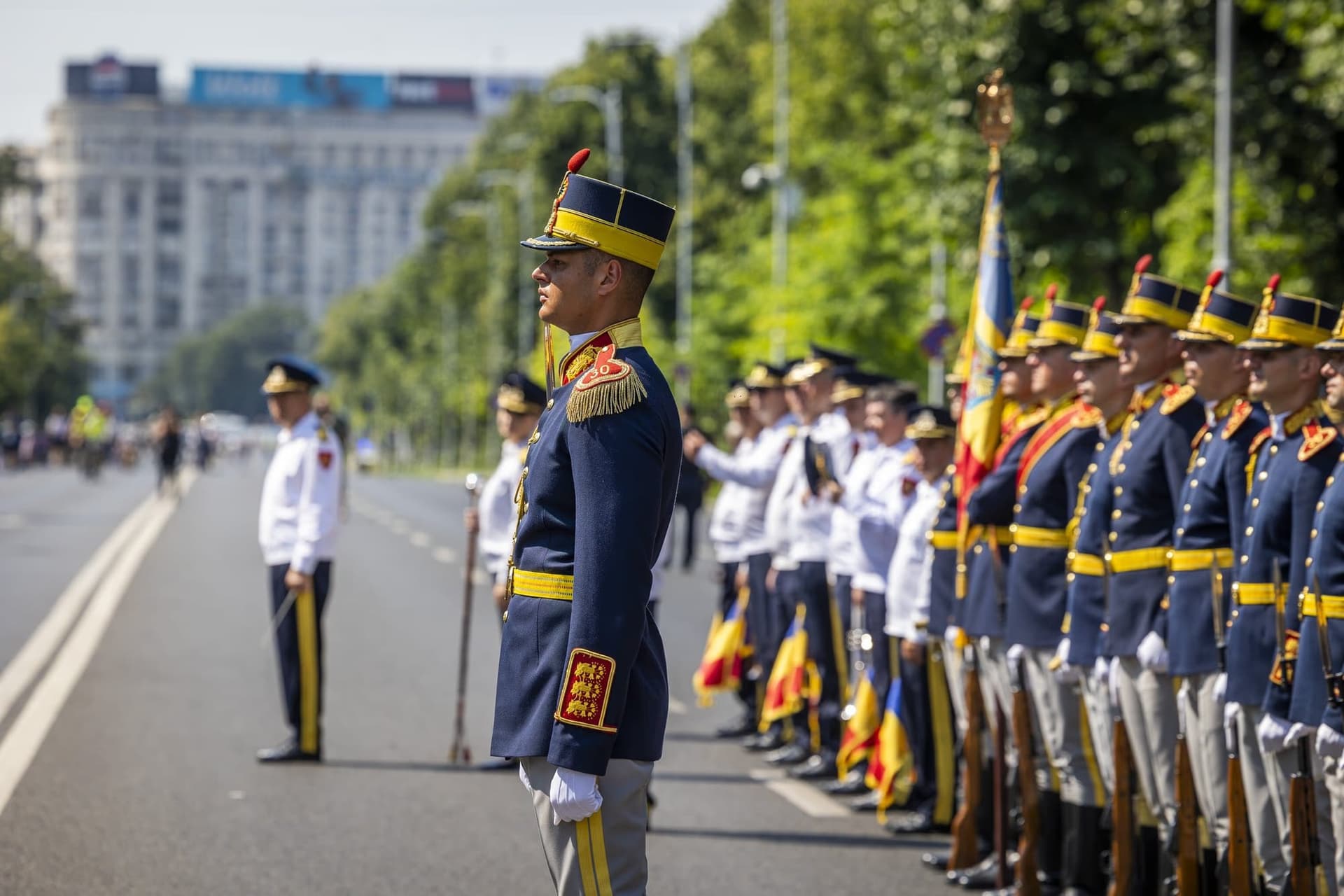
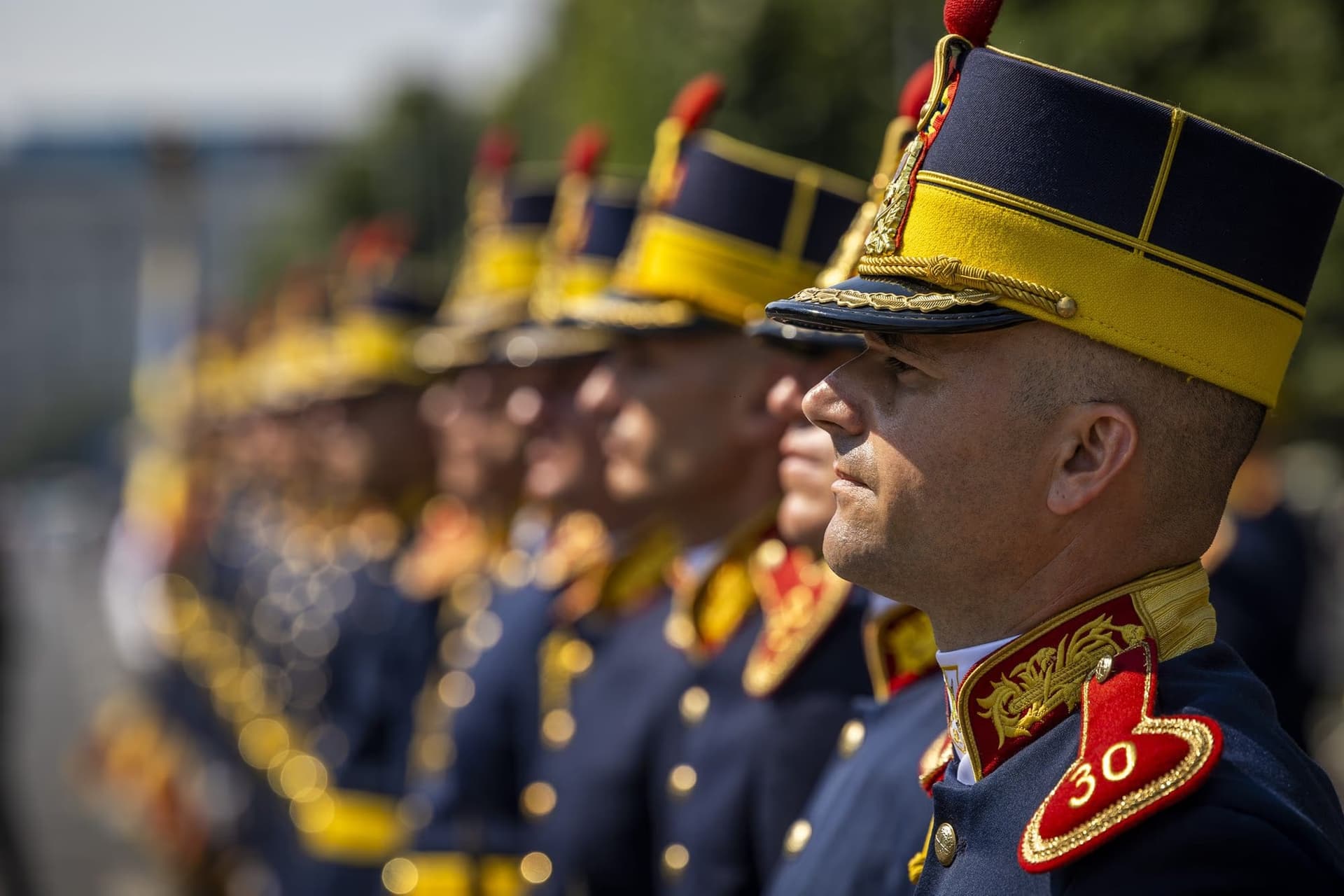
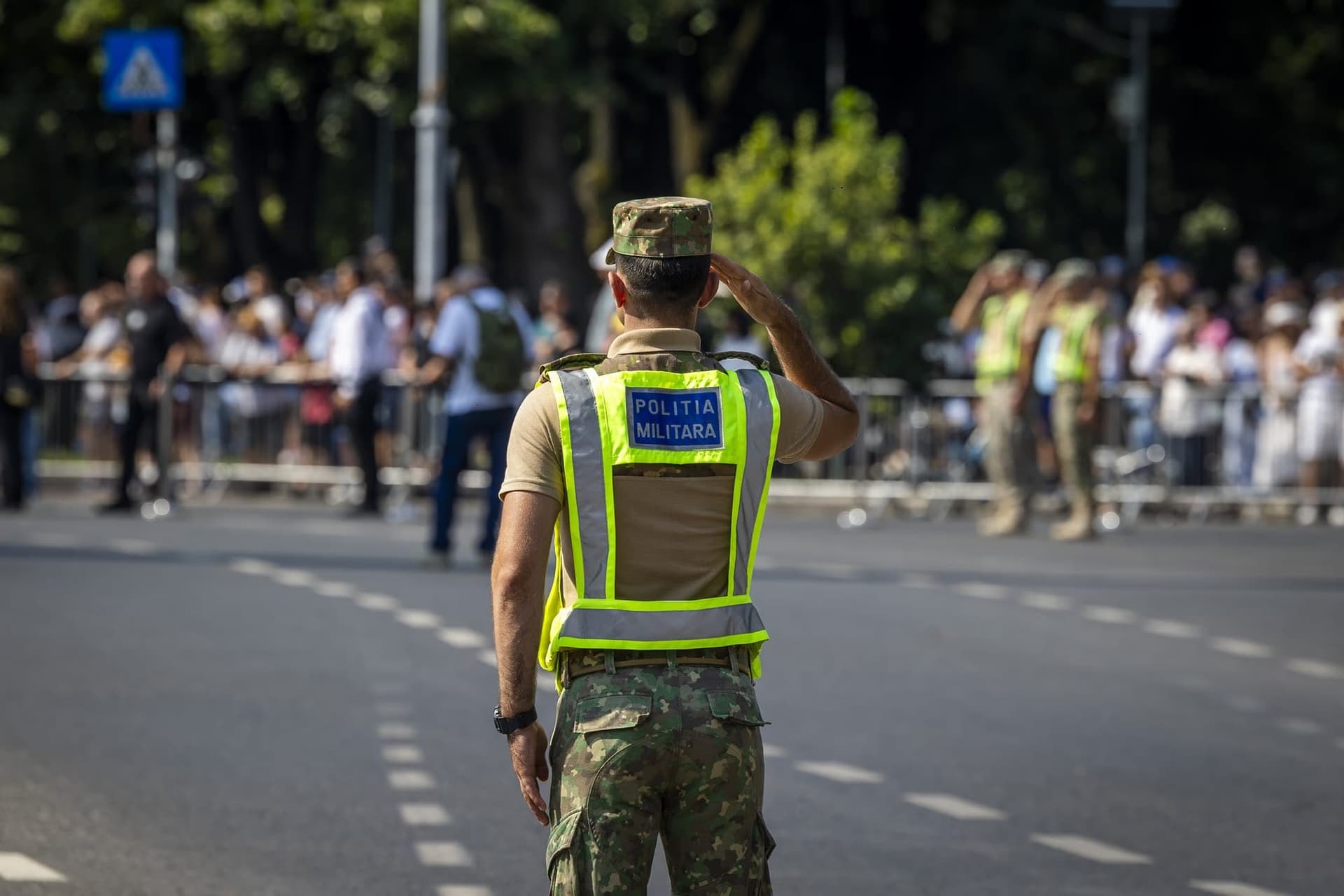
Only after the sky had emptied did the ground take its turn. The guard of honour, with the battle flag, lined up beneath the roughly twenty-metre obelisk, inaugurated in 1935, with Icarus holding his wings open at its top.
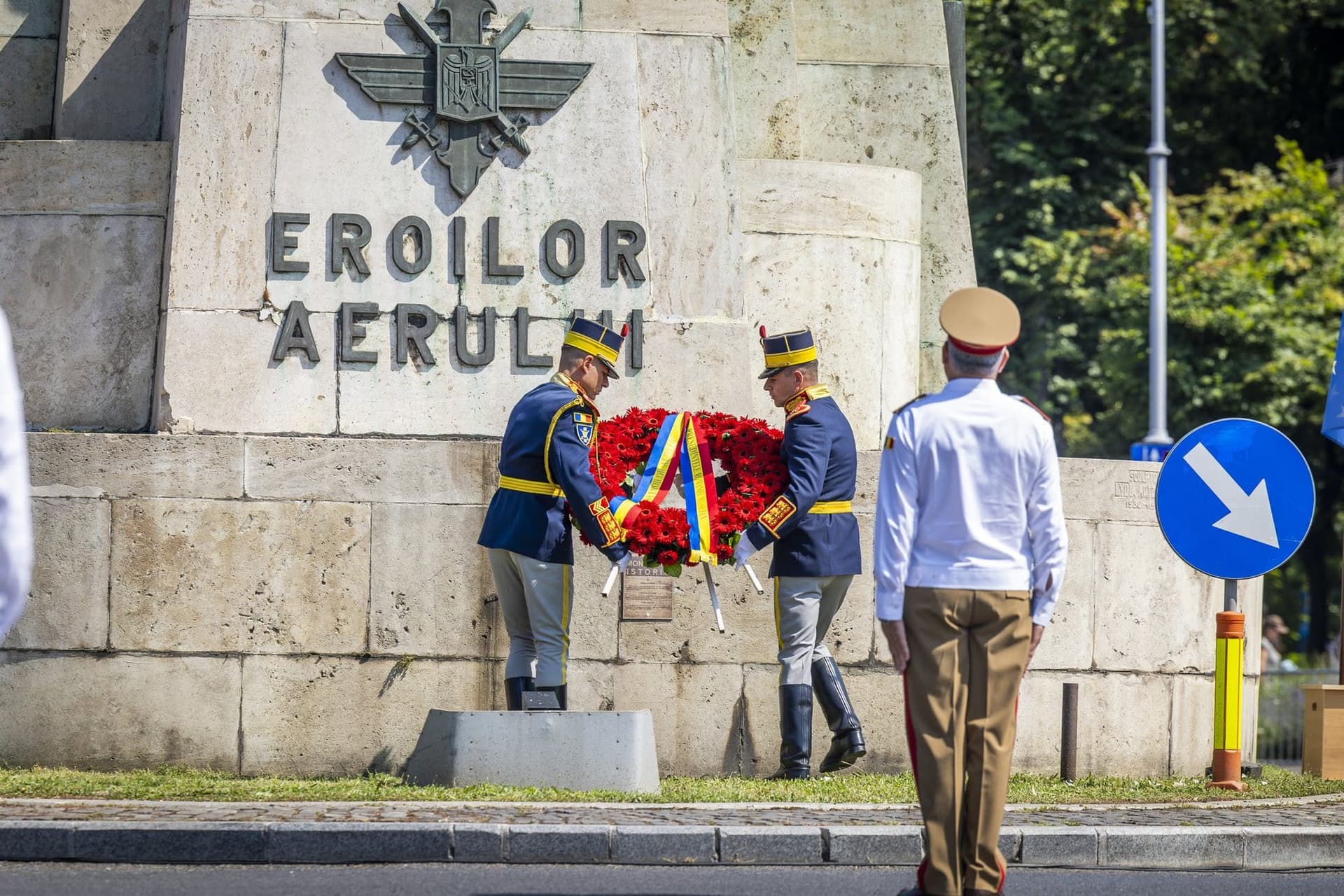
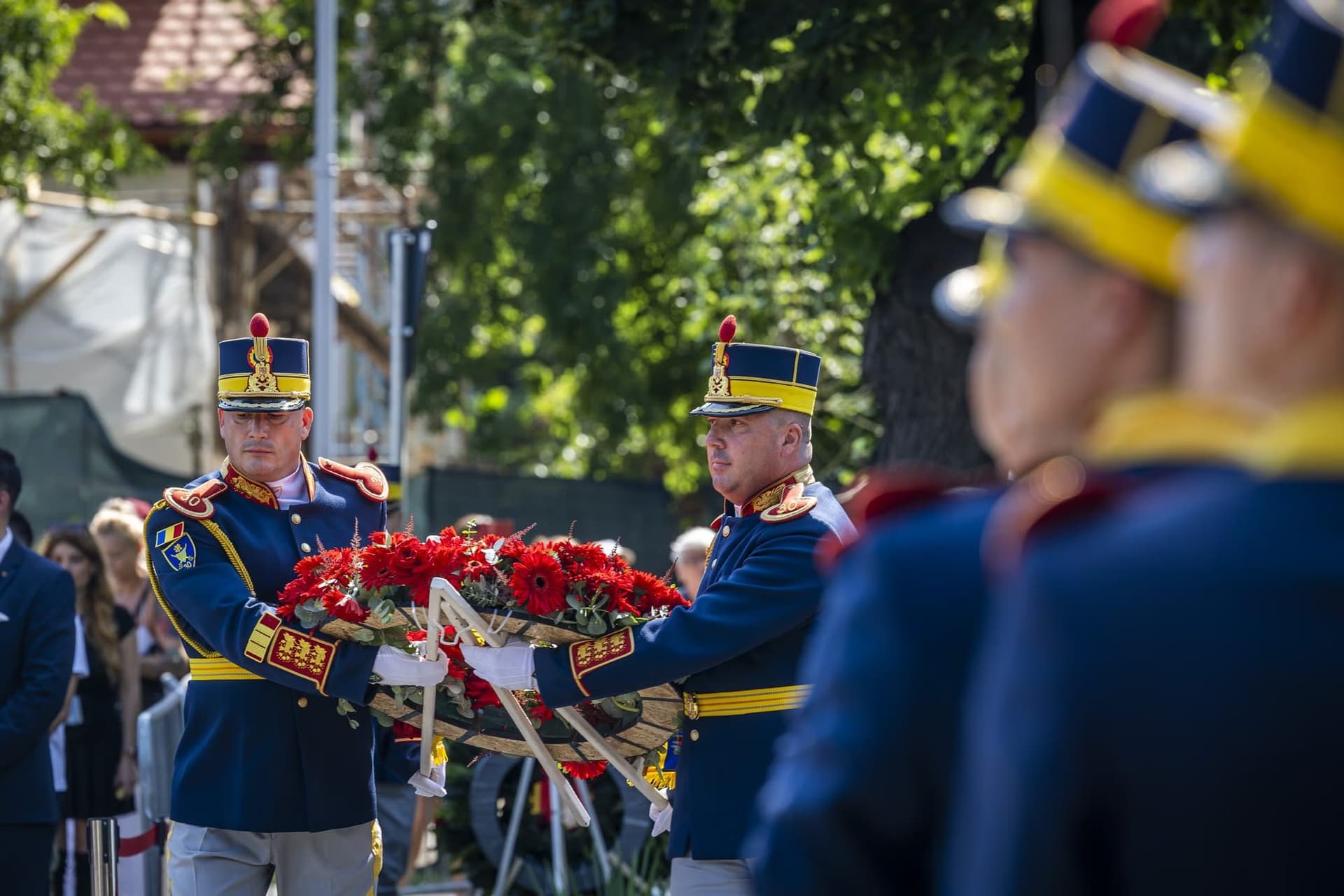
Wreaths were laid for the airmen fallen in the line of duty — the 13 bronze plaques at the base of the monument bear the names of roughly 180 of them.
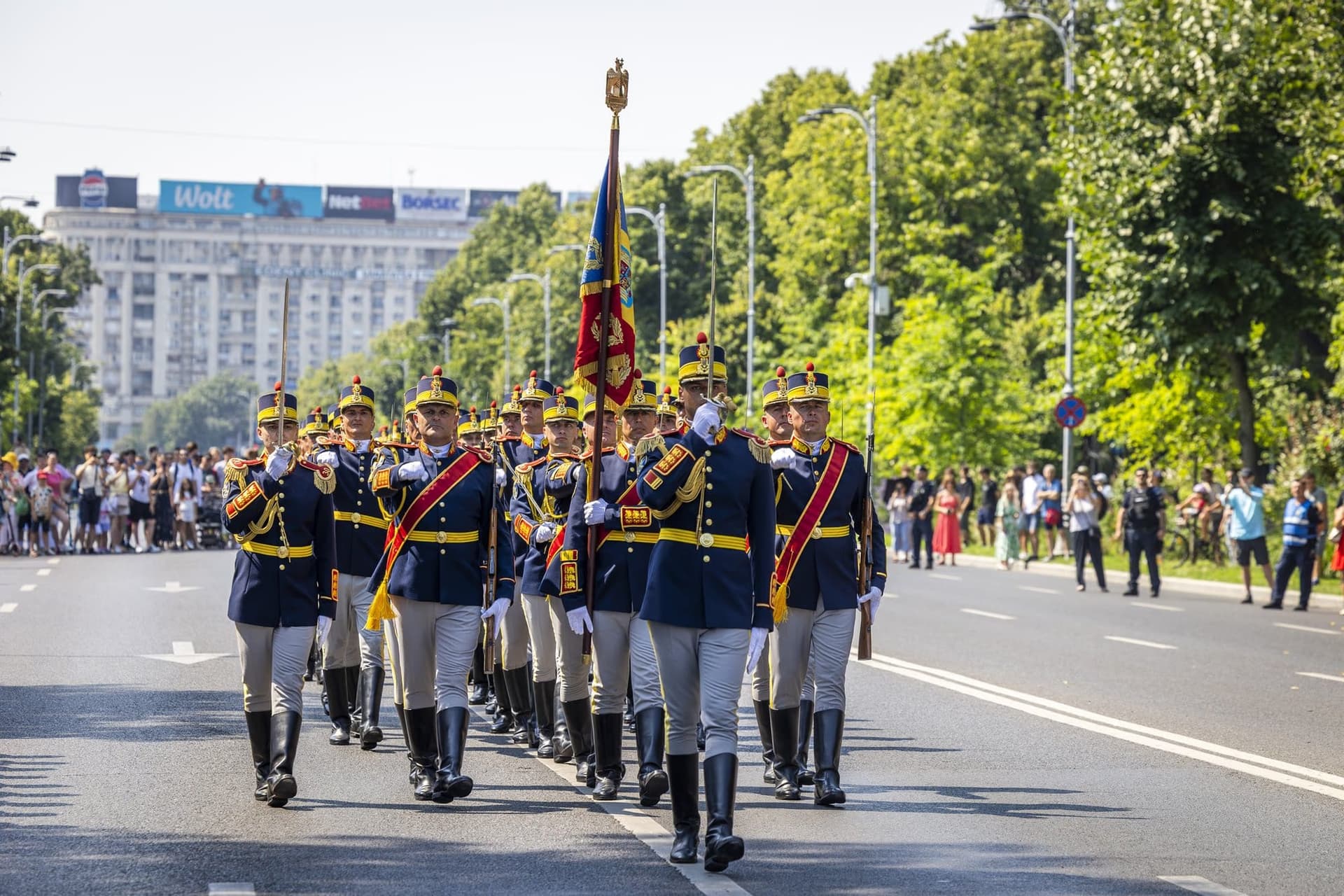
At the very end, the guard of honour's parade closed the ceremony, on the boulevard that carries the name of those commemorated.
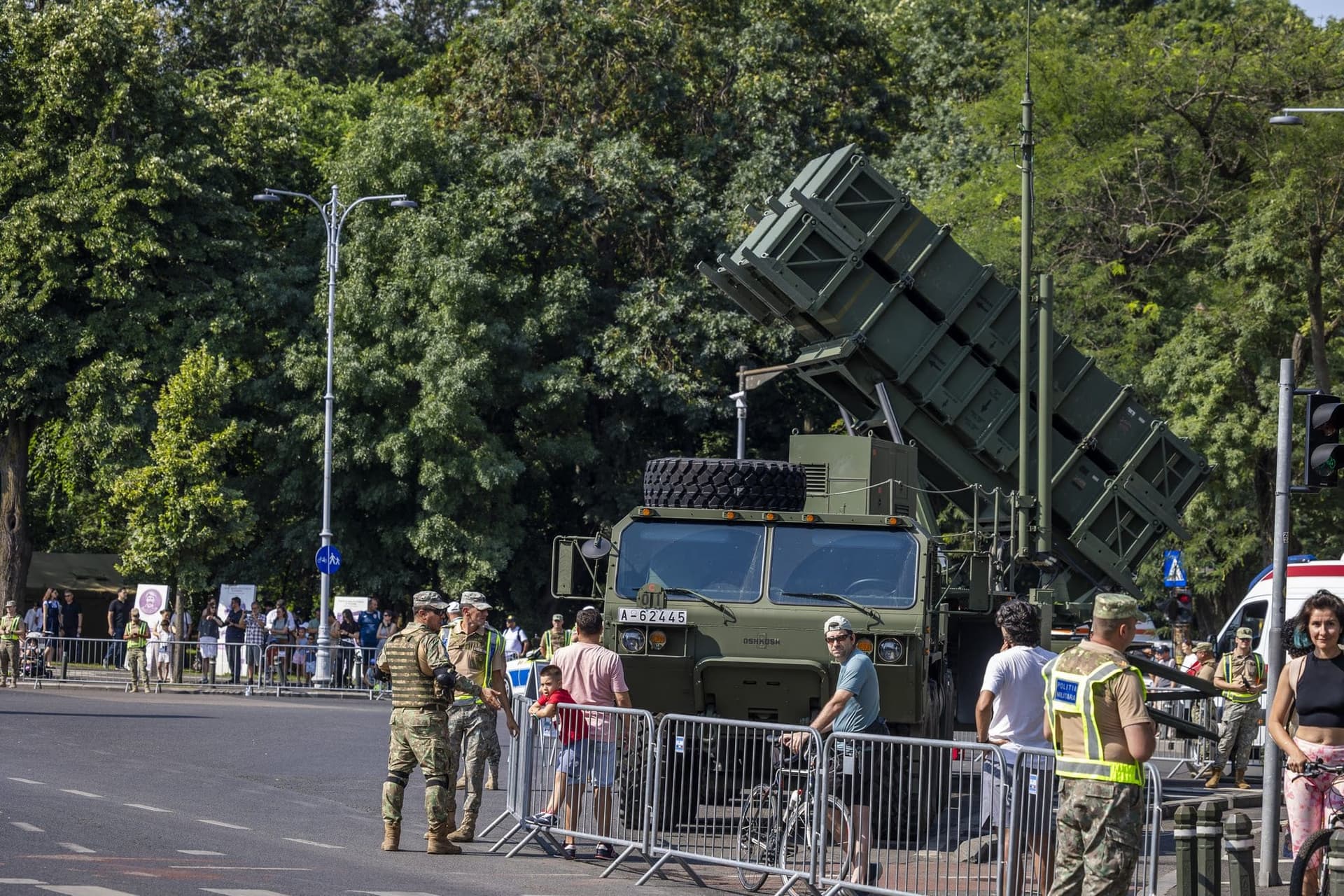
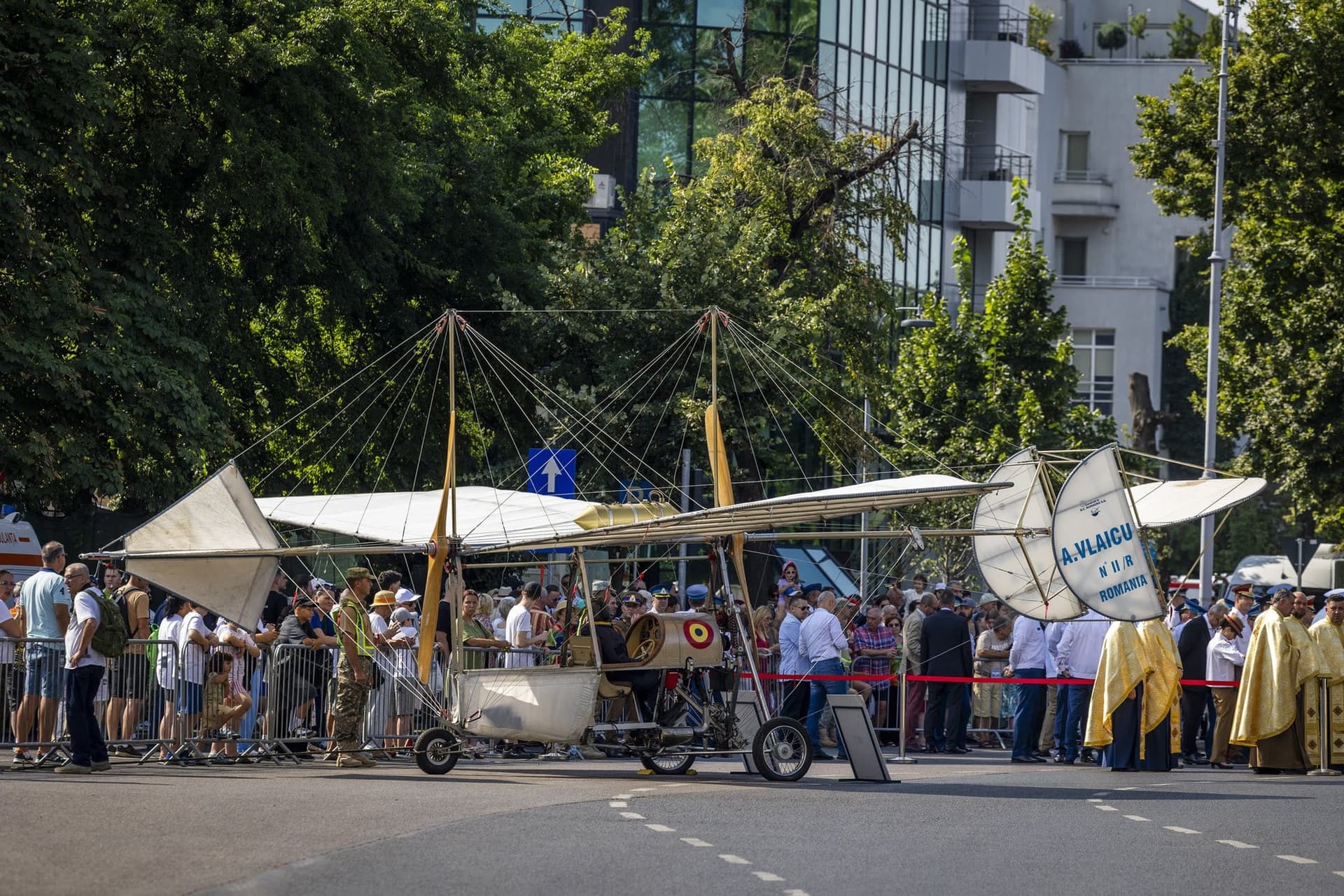
Down on the boulevard, the static display tied the eras together: a Patriot launcher — the present of air defence — and, a few steps away, the replica of Aurel Vlaicu's aeroplane, with its wings of canvas and wire. Between them, 116 years.
The story behind the day
According to Romanian military historiography, Romania was the second country in the world, after France, to use the aeroplane in military manoeuvres. In the autumn of 1910, Aurel Vlaicu flew from Slatina to Piatra Olt and handed Prince Ferdinand a document from the General Staff — a military mission flown in an aircraft built at the Army Arsenal, which Vlaicu had first flown at Cotroceni on 17 June 1910.
The groundwork had been laid a year earlier: in 1909, at Chitila, Romania's first aeronautical complex with a flying school opened. In 1911, the first Romanian military pilots were licensed — Ștefan Protopopescu and Gheorghe Negrescu — and in April 1913 Romania adopted its first law organising its Military Aeronautics.
Before them all was Traian Vuia. In March 1906, near Paris, his machine lifted off the ground on wheels, from flat terrain, using nothing but its own power — a short hop, not the sustained, controlled flight of the Wright brothers, who had been flying since 1903, though with launch assistance. His merit is less spectacular than the legend, but more enduring: his way of taking off — on wheels, from level ground, with no ramp at all — is the way aeroplanes take off to this day.
Henri Coandă belongs to the same generation of pioneers. He did not invent the jet engine, as is often repeated. He did, however, study and patent applications of the phenomenon that now bears his name — the tendency of a fluid jet to follow the curved surface it flows along — a fluid-mechanics effect still used in aerodynamic applications today.
The operational baptism came quickly: in the summer of 1913, in the Second Balkan War, Romanian aircraft flew reconnaissance and dropped leaflets over Sofia. Romania entered the First World War with equipment far below the front's needs — some aircraft initially lacked even onboard machine guns — but came out of it with a moment that became its emblem: in November 1918, Lieutenant Vasile Niculescu and Captain Victor Precup crossed the Carpathians in winter — at 2,600 metres and −35 degrees, according to historical accounts — and landed on the Field of Liberty at Blaj, carrying Ion I.C. Brătianu's letters to the Central Romanian National Council. Aviation was, quite literally, the courier of the Great Union.
Between the wars, Romania built itself an industry: the IAR works in Brașov, founded in 1925, produced over a thousand aircraft — original designs and licence-built — including 17 original Romanian types. The peak was the IAR-80 fighter, designed in Brașov — a good aircraft for its time, in 1939, quickly overtaken by the war, yet flown to the very end by Romanian pilots who wrung out of it everything it had to give.
The Second World War was one of the hardest chapters for Romanian aviation: from the defence of Ploiești against the great American raids of 1943 — the refinery city was protected by one of the densest anti-aircraft defences in occupied Europe; we wrote at length about the city that literally fuelled the machinery of war in The City That Lit the World — to the change of sides and the Western campaign, where, according to the Romanian Military Archives, airmen flew 11,000 hours over Transylvania, Hungary and Czechoslovakia, losing 176 of the 415 aircraft committed. Among the fallen: Captain Alexandru Șerbănescu, one of the most successful aces of Romanian aviation, shot down on 18 August 1944 — five days before Romania left its alliance with Germany.
A note on the date of the holiday: communism did not keep it. The records of the era show Aviation Day being walked from calendar to calendar — moved to September in 1953, then to June, and from 1964 fixed on 17 June, the day of Vlaicu's first flight: a secular hero, set in the saint's place. Aviation returned to St Elijah only after 1990, and in 2004 the law brought the official date back to where it had begun: 20 July.
Photo gallery
Text and photos: Adi Coco · AdiCoco.com