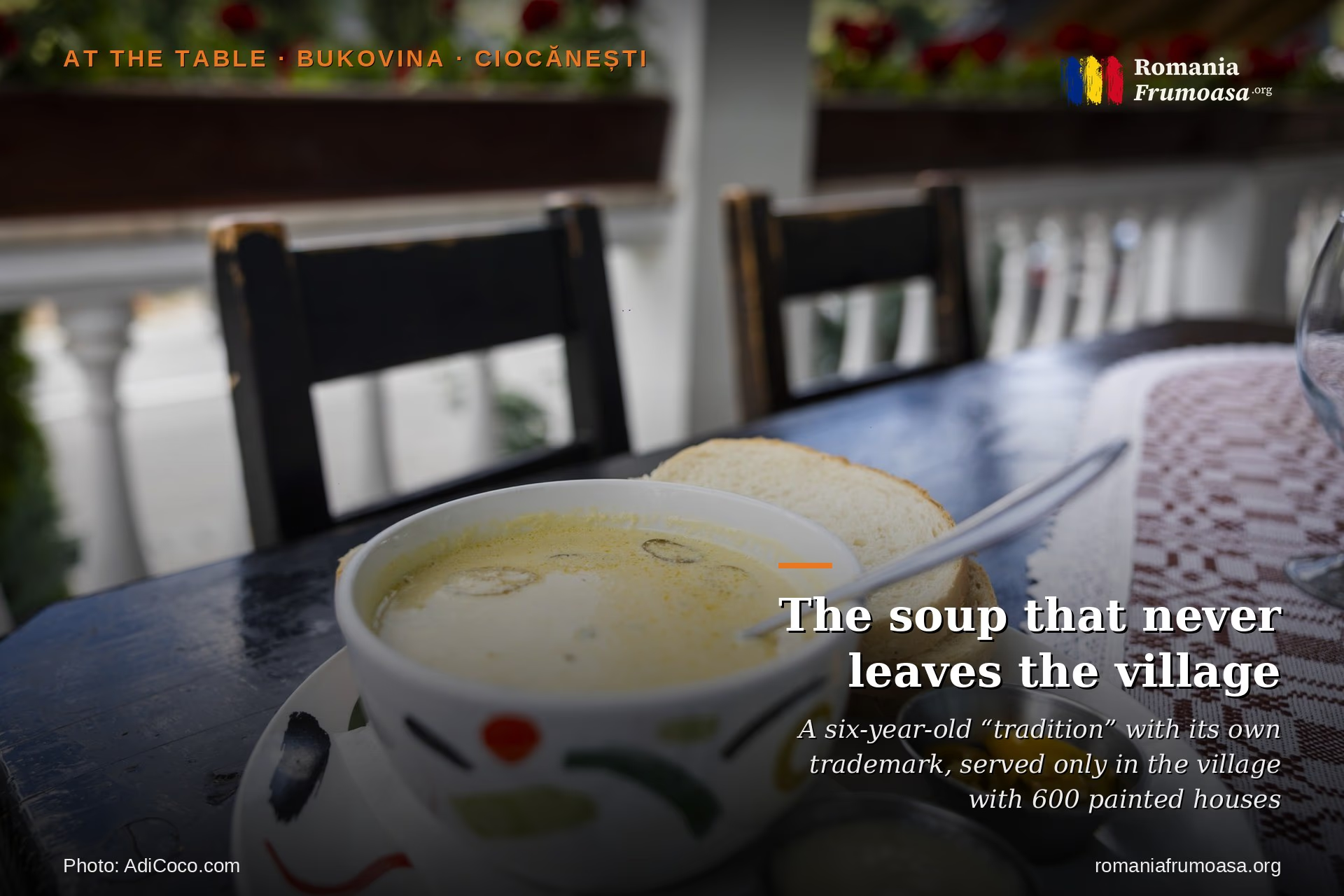
A "tradition" six years old, invented by a monk who wasn't allowed meat, registered as a trademark and served only in the commune with 600 painted houses. We ate ciorba ciocăneșteană on home ground — 39 lei a bowl, story included.
---
There are traditions lost in the mists of time, and there are traditions with a till receipt. Ciorba ciocăneșteană belongs, honestly, to the second kind: the recipe is about six years old, it has an author with a name and an address — Father Artemie, of the Saints Peter and Paul Monastery in Botoș, the village next door — and, since 2023, a trademark certificate from the state patent office. And the story of its birth is the most Bukovinian story imaginable: a monk keeping the fasting rule took the skeleton of the famous ciorbă rădăuțeană and removed the chicken, putting in its place what the valley had at hand — smoked trout. A rădăuțeană that took monastic vows.
The Plate
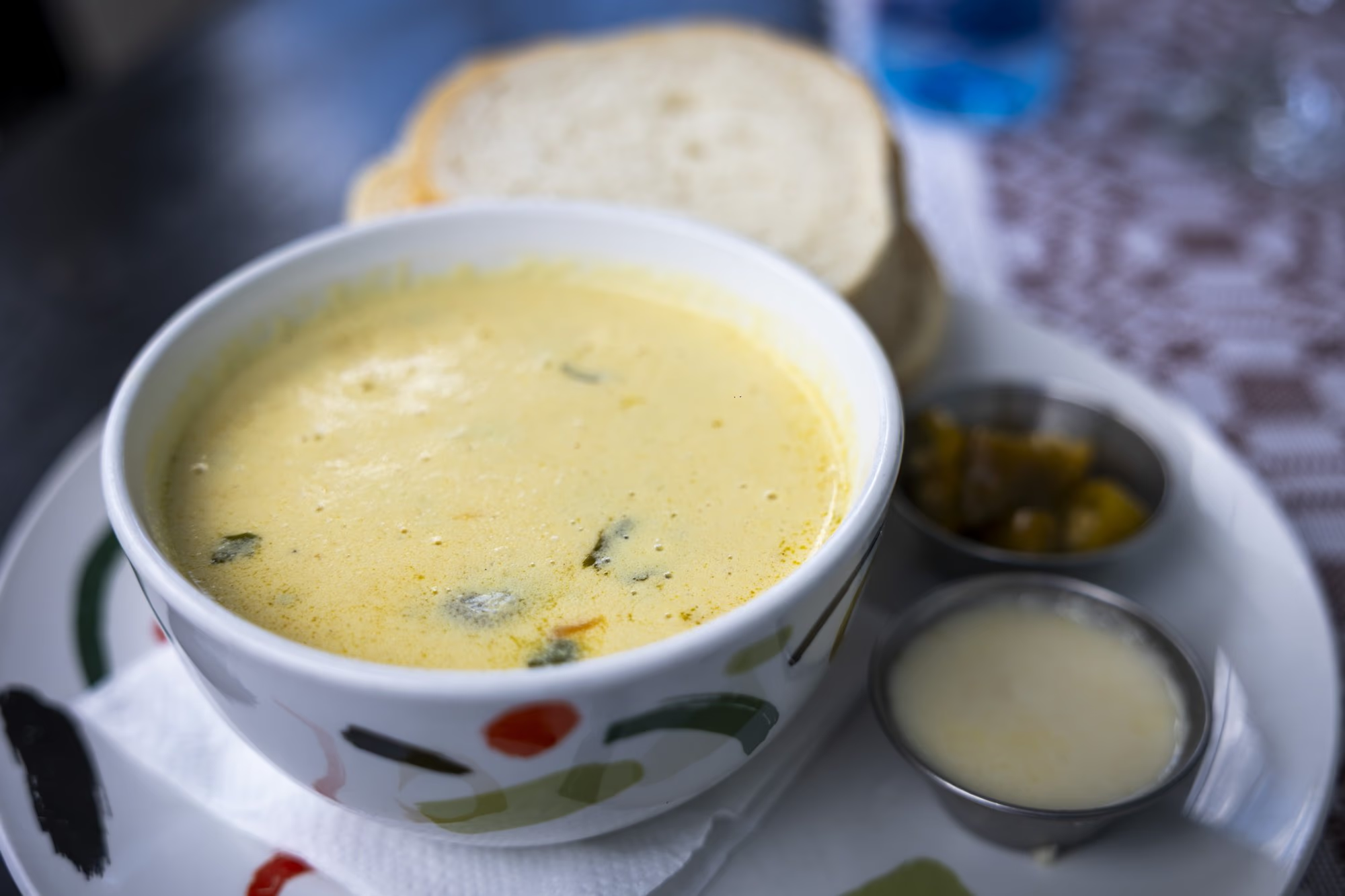
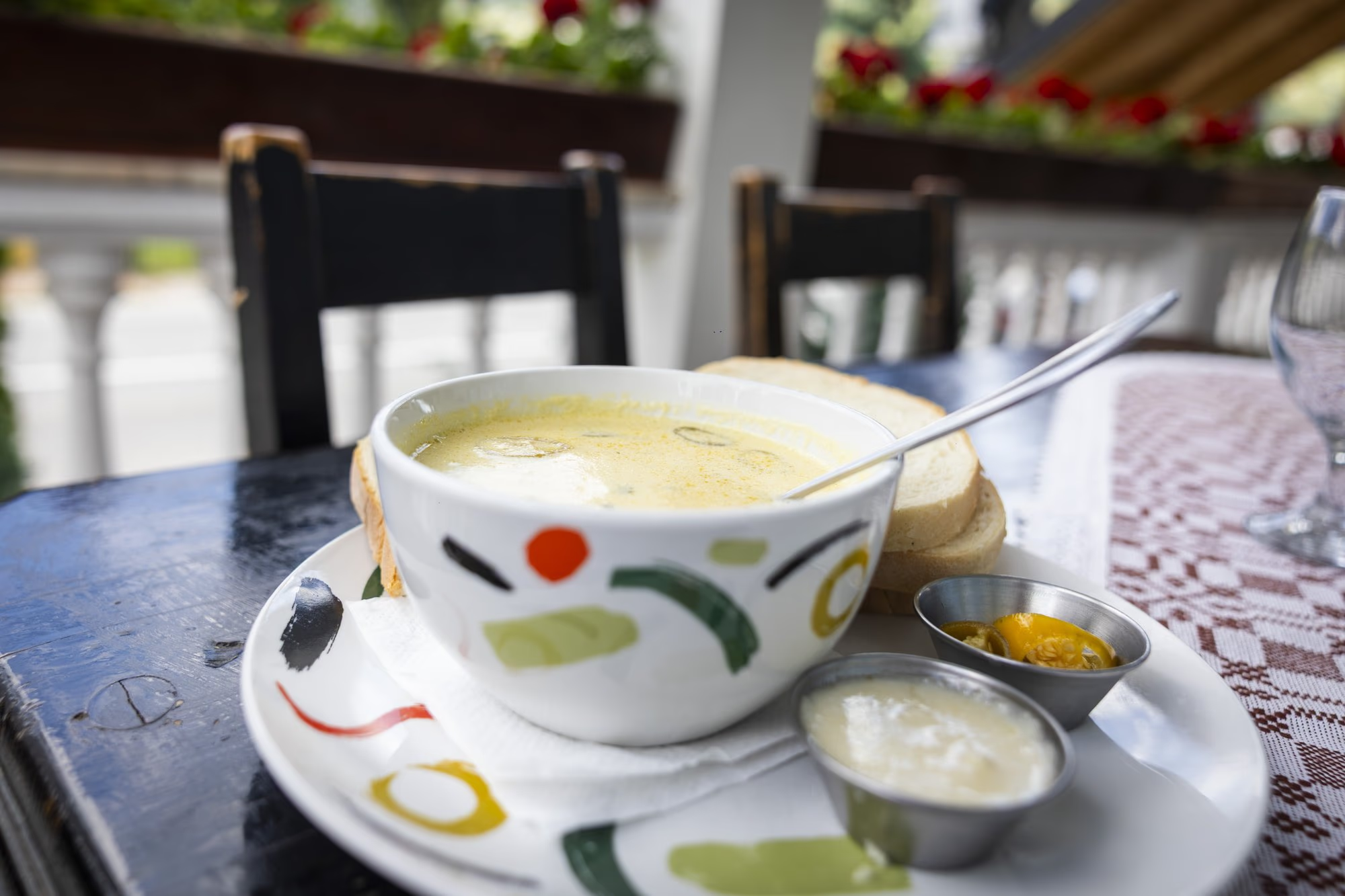
At Gabimar Guesthouse — the building with painted friezes on the main street, a family business since 1994 — the soup arrives in a white bowl with coloured dots, with two slices of white bread, pickled hot pepper in a small steel cup and, alongside, the house variation: horseradish. The official recipe doesn't mention it; the house serves it without asking. Wisely so.
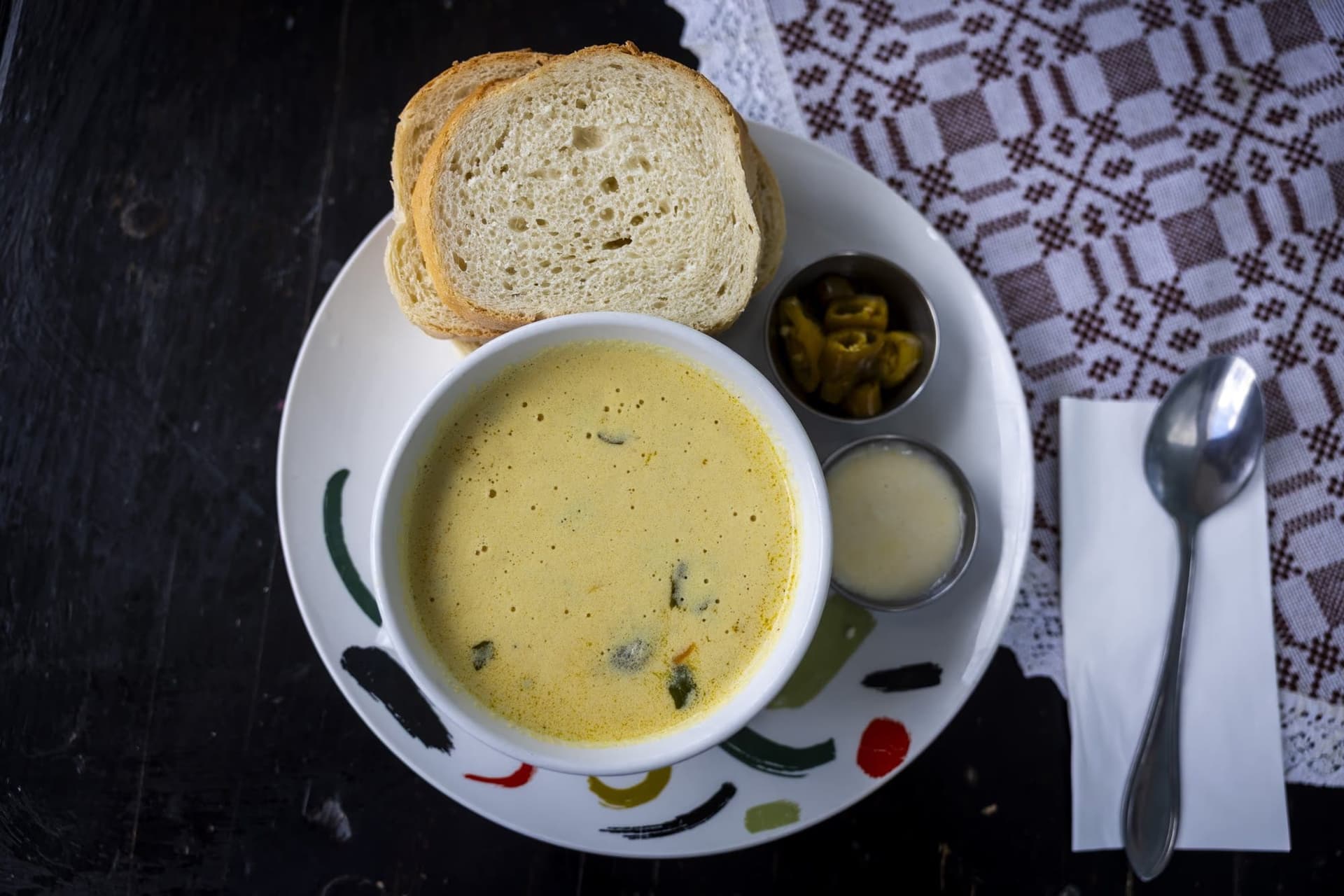
The liquid is buttery yellow, thick enough to coat the spoon — that is the rădăuțeană dressing, rich sour cream with egg yolk, which here wraps not chicken but fish. The first spoonful brings the smoke before anything else: the trout is smoked, and the smokiness rises through the cream like through a curtain. Then comes the fine tartness of lemon, the garlic in the background and, if you were brave with the pepper, the warmth that ties it all together. The pieces of trout come apart in rosy flakes, silver skin still on them — proof that the fish wasn't just visiting the soup; it lived there from the start.
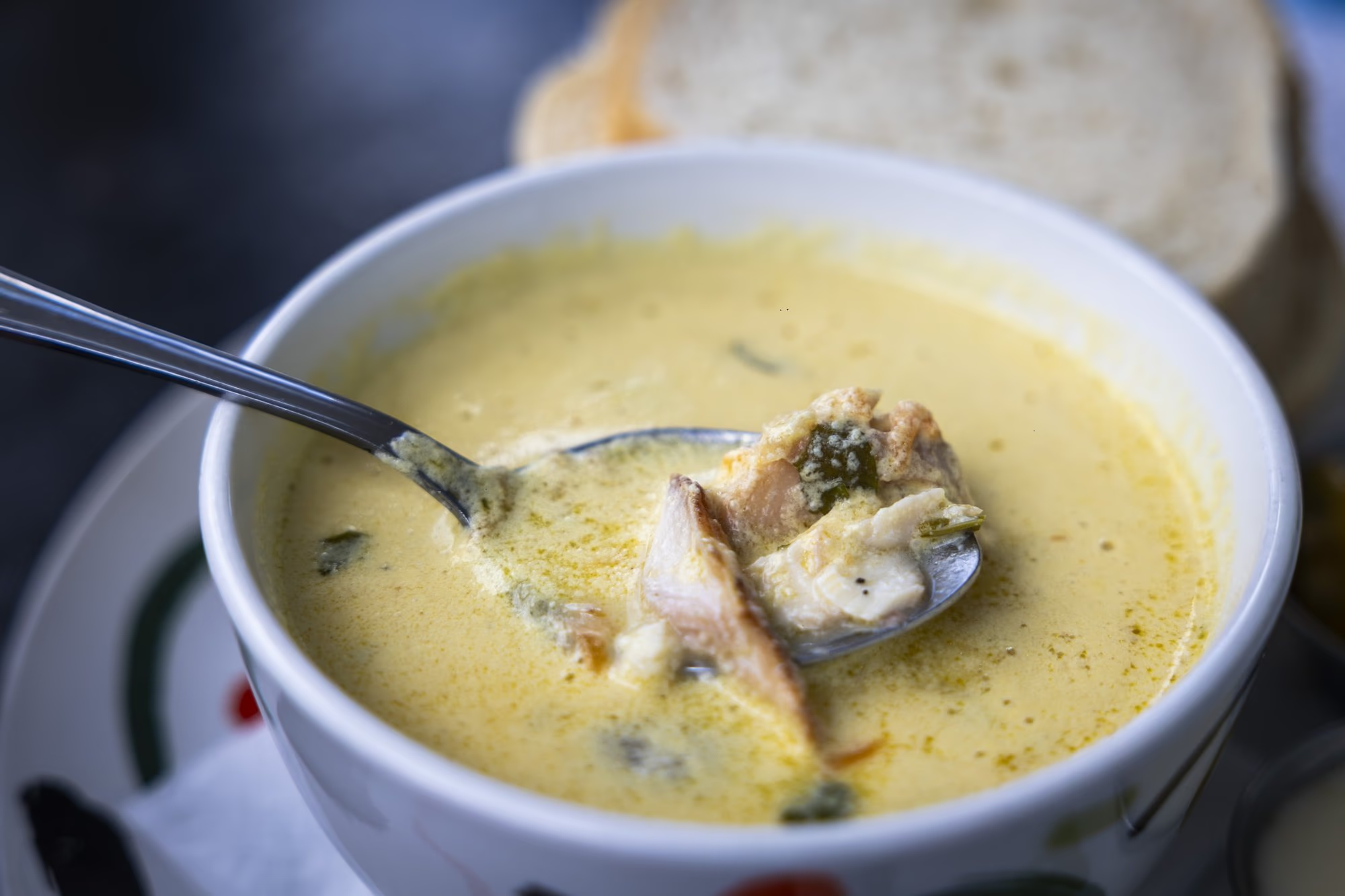
Father Artemie's recipe also calls for porcini — the mushrooms that, together with sour cream, make up most of Bukovina's gastronomic fortune — and the usual root vegetables. But the balance belongs to the fish: fatty enough to stand up to the cream, smoky enough not to get lost in it.
The Setting
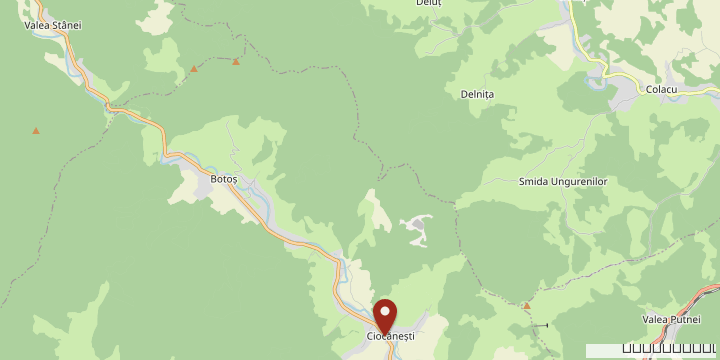
You eat it on the guesthouse terrace, red geraniums overhead and the Iacobeni–Cârlibaba road out front. Ciocănești is no ordinary village: it is Bukovina's museum-commune, with more than 600 houses "inscribed" with geometric friezes like Easter eggs, Romania's first "Cultural Village" (2014) and host, every August, of the National Trout Festival — where this soup has also been cooked in its 250-litre version, with 50 kilograms of fish. A village that has always been good at packaging — and the soup is its newest, tastiest package.
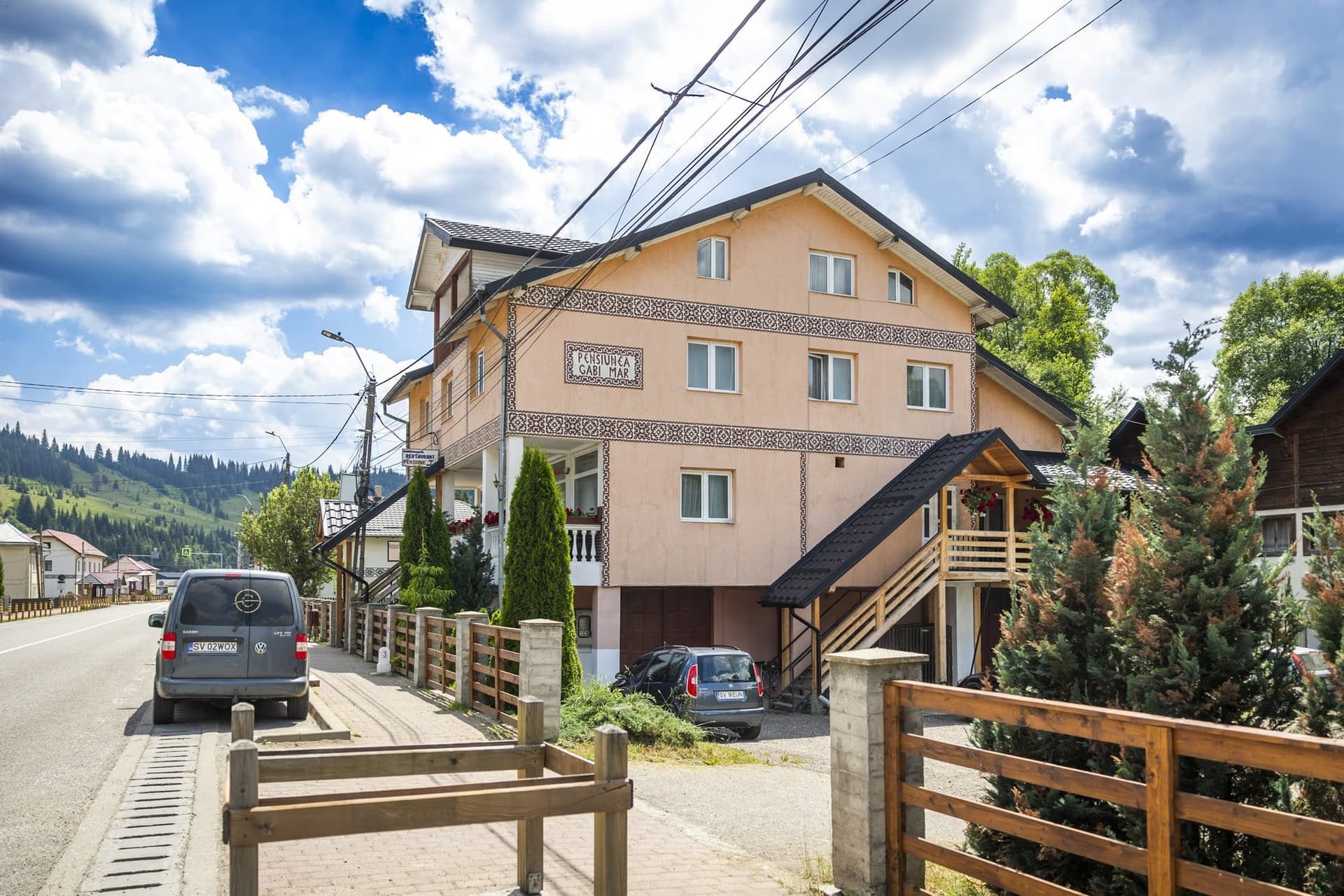
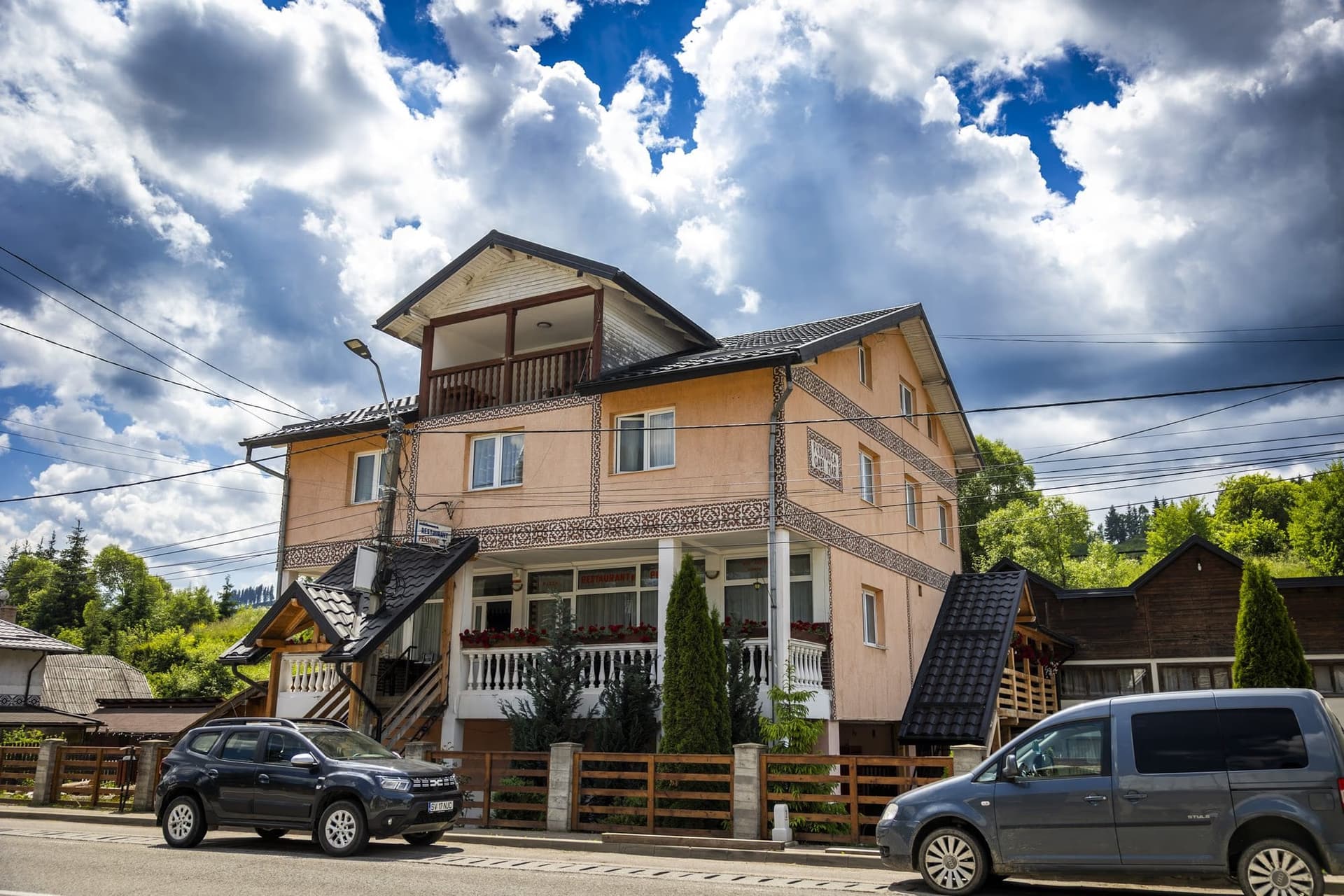
The truly unusual part is the strategy: the trademark means ciorba ciocăneșteană is officially served only in the commune of Ciocănești. Nobody exports it; you won't find it in a mall. In a country where any successful recipe lands on every menu within three months, this village chose the exact opposite: the soup stays put, and the journey is yours to make. It is, if you like, the same philosophy as the painted houses — beauty that doesn't travel; you visit it.
The Bill
39 lei for the bowl — generous, a meal in itself — 5 lei for the water, 44 lei in total, paid by card in a mountain village of 1,400 people. The tradition may be six years old, but it works like one three hundred years old: you sit down, you eat, you fall silent for a while.
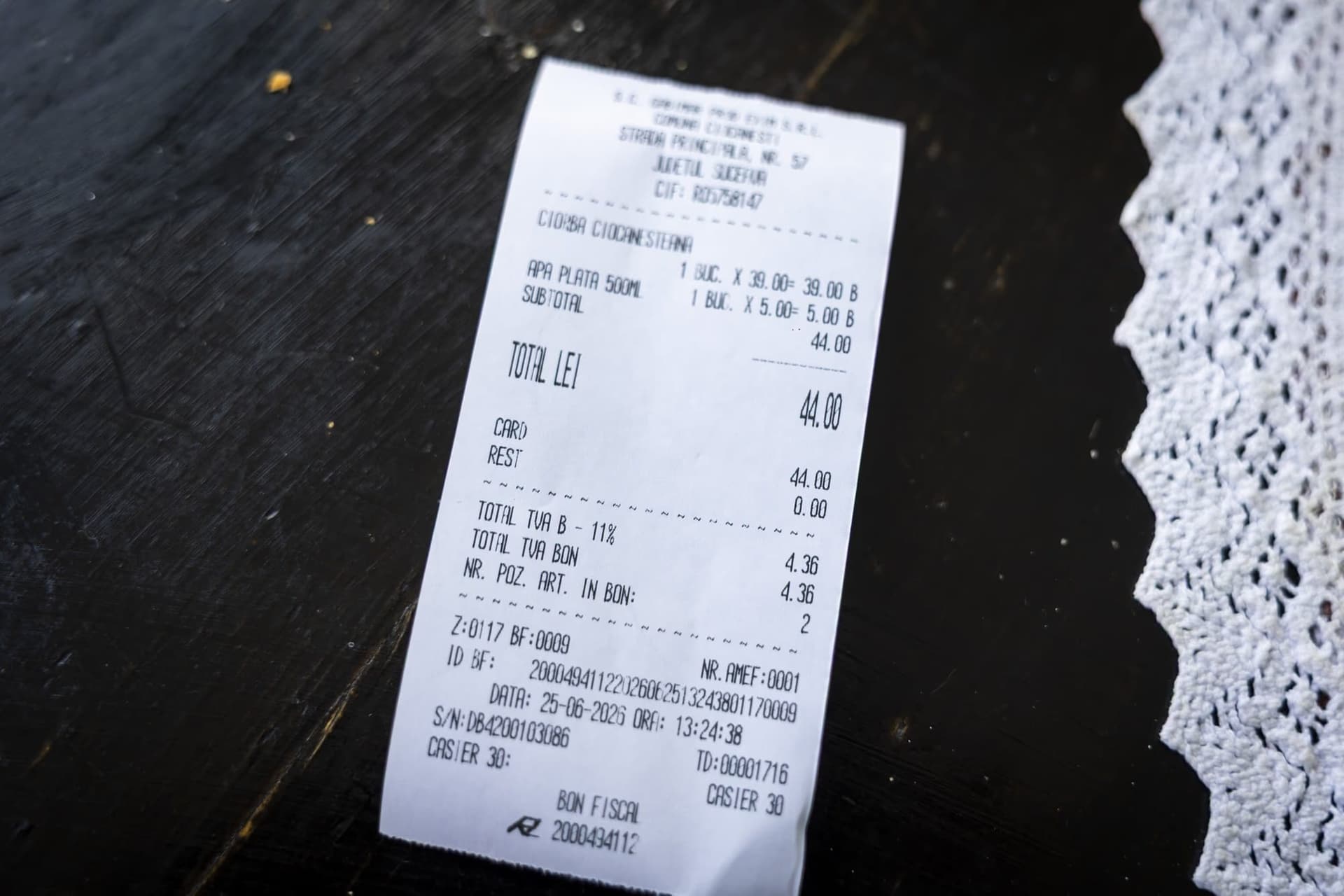
Independent visit, 25 June 2026. The bill was paid in full by the editorial team.
---