In Sighișoara, the Middle Ages Last Three Days a Year
Happening · Sighișoara Medieval Festival, 31st edition
A dispatch from the busiest day of Romania's oldest medieval festival, now in its 31st edition: a slave market, Hungarian knights on white horses, drums climbing the cobbled street, maidens in white, Phoenix's "Nunta" performed by Țăndărică, KEO and Alina Crișan — and the end of the world, staged with fire. Saturday, 25 July, inside the Citadel.
---
The Citadel, Full
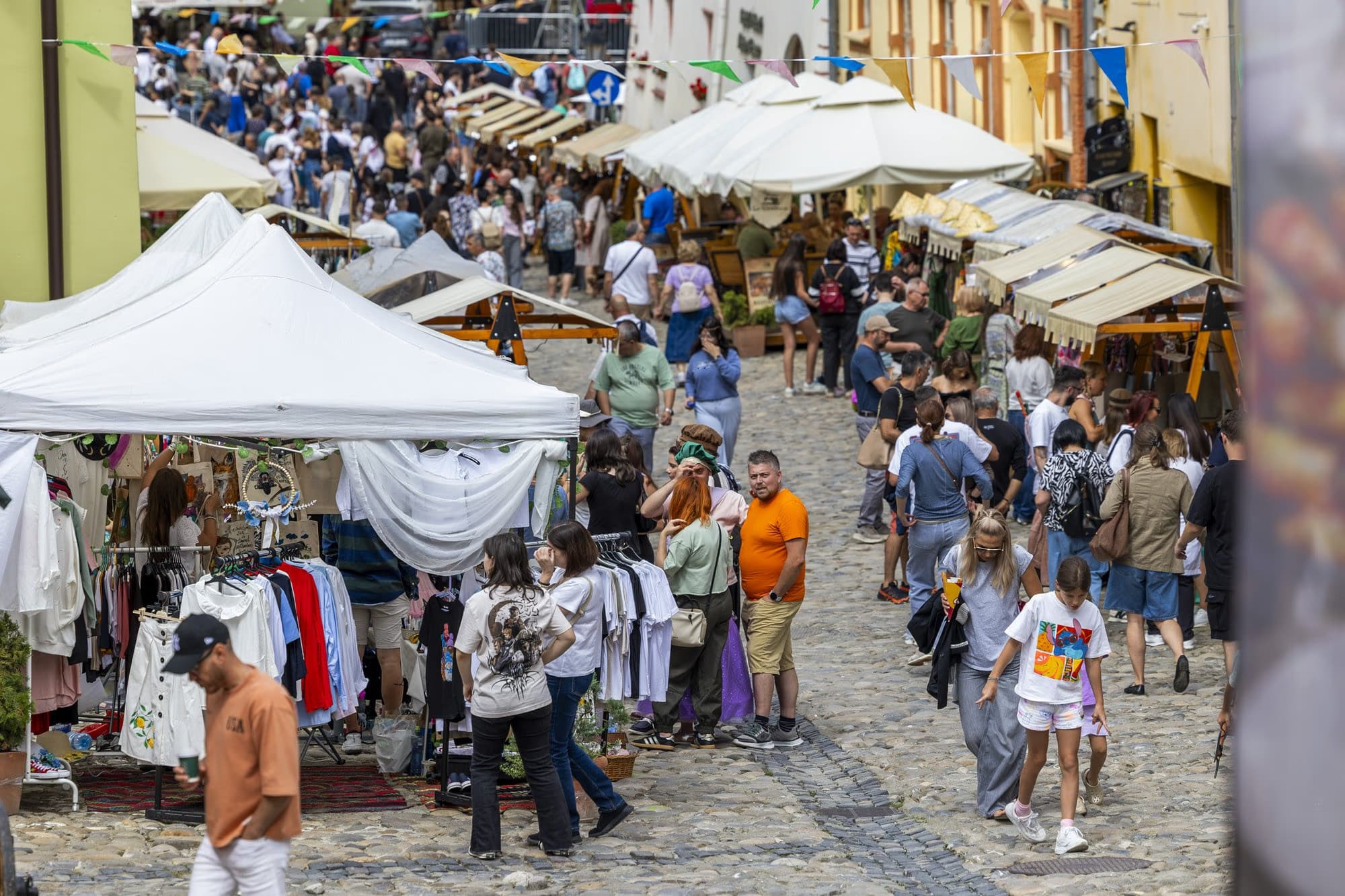
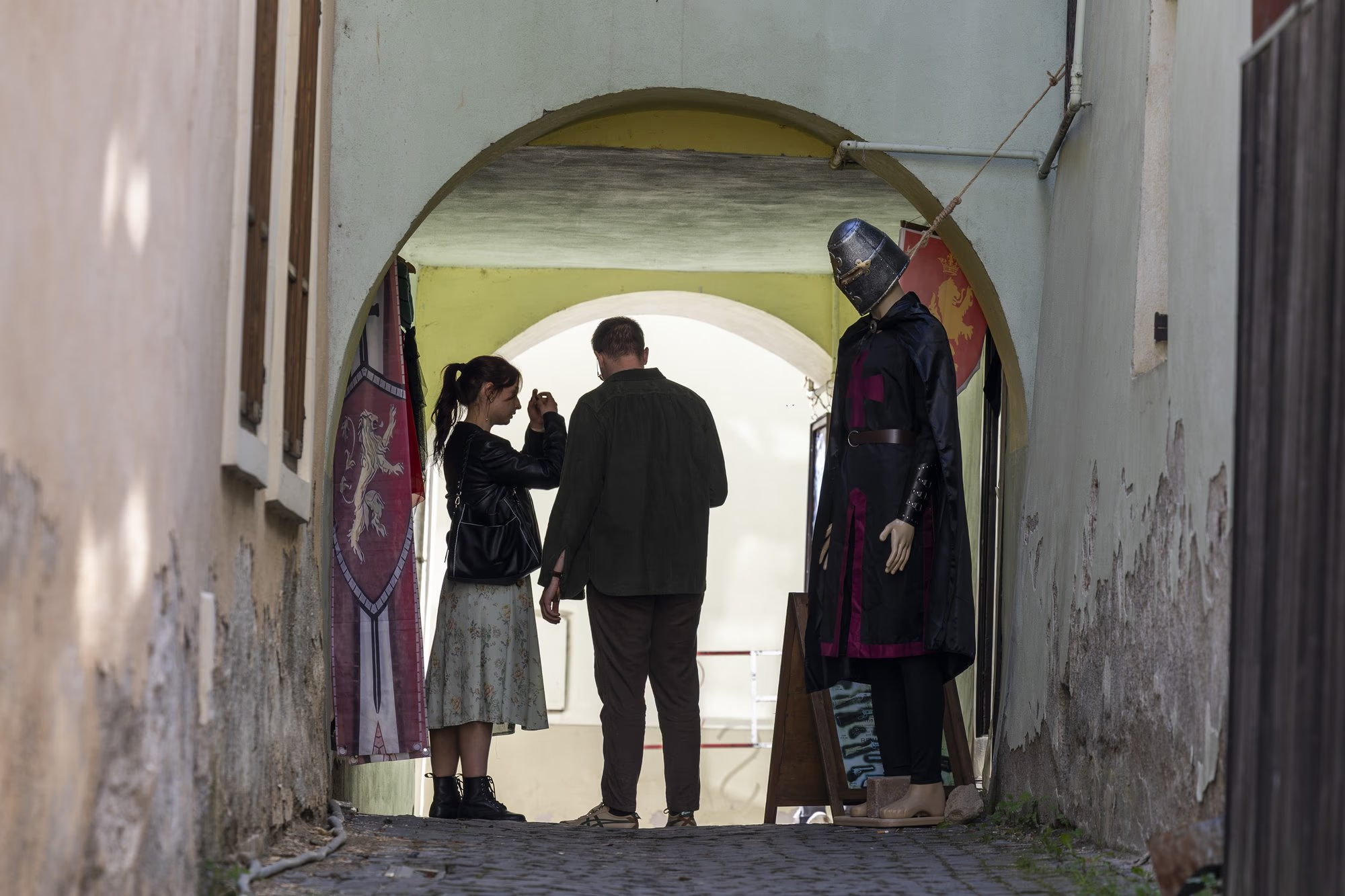
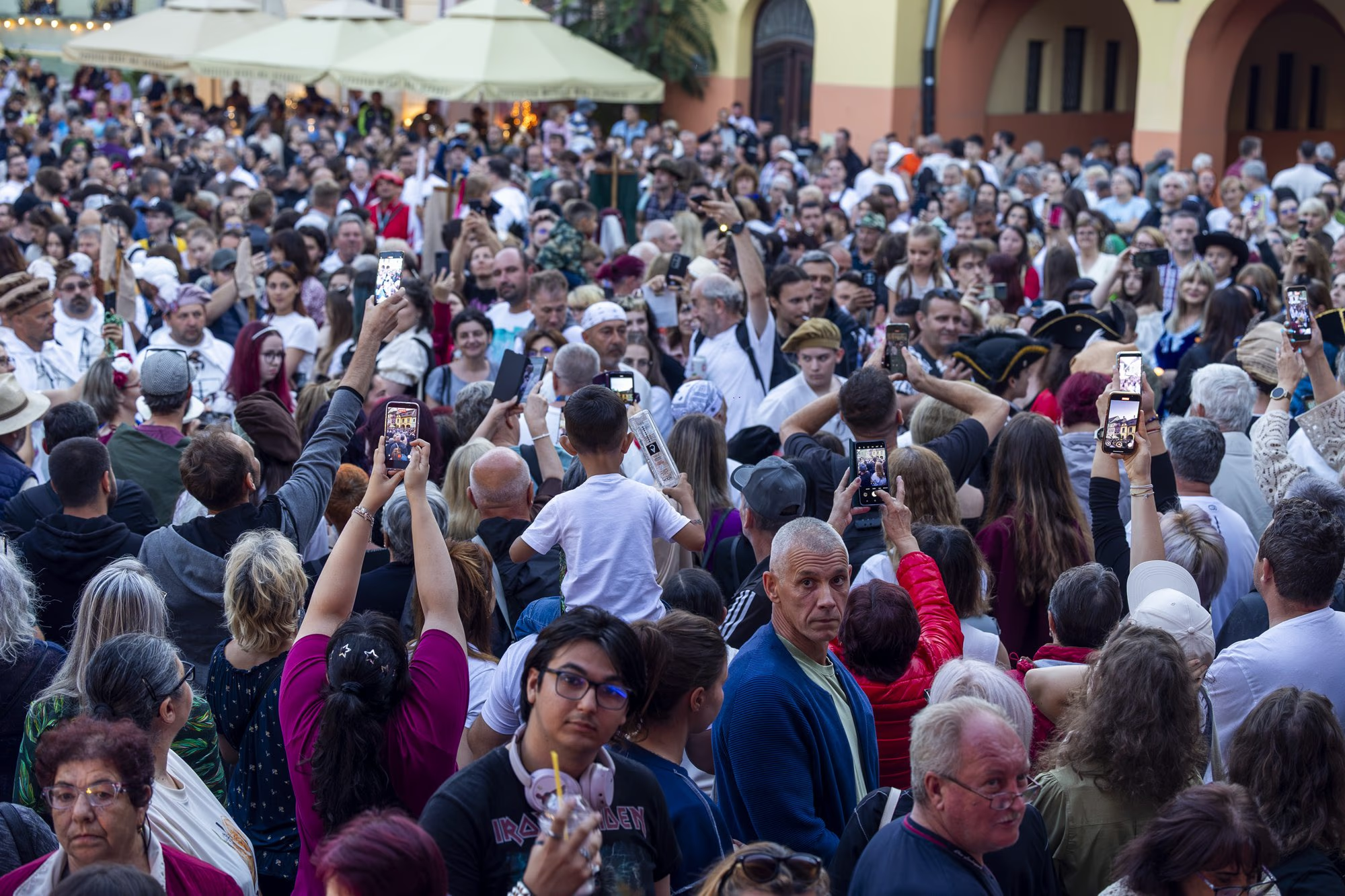
On Saturday morning, the cobbled street climbing towards Citadel Square disappears under people. You walk at a stroll — not out of politeness, but because there is no other way: the river stones, polished by five centuries of soles, impose their own rhythm. Here and there, the smell of gingerbread mingles with grilled mici and the sweetish smoke of a smokehouse; overhead, between the coloured façades, garlands of little flags cut the sky into triangles. At the end of the three days, the organisers estimated around 30,000 participants — and most of them seem to have chosen Saturday, the day with the densest programme.
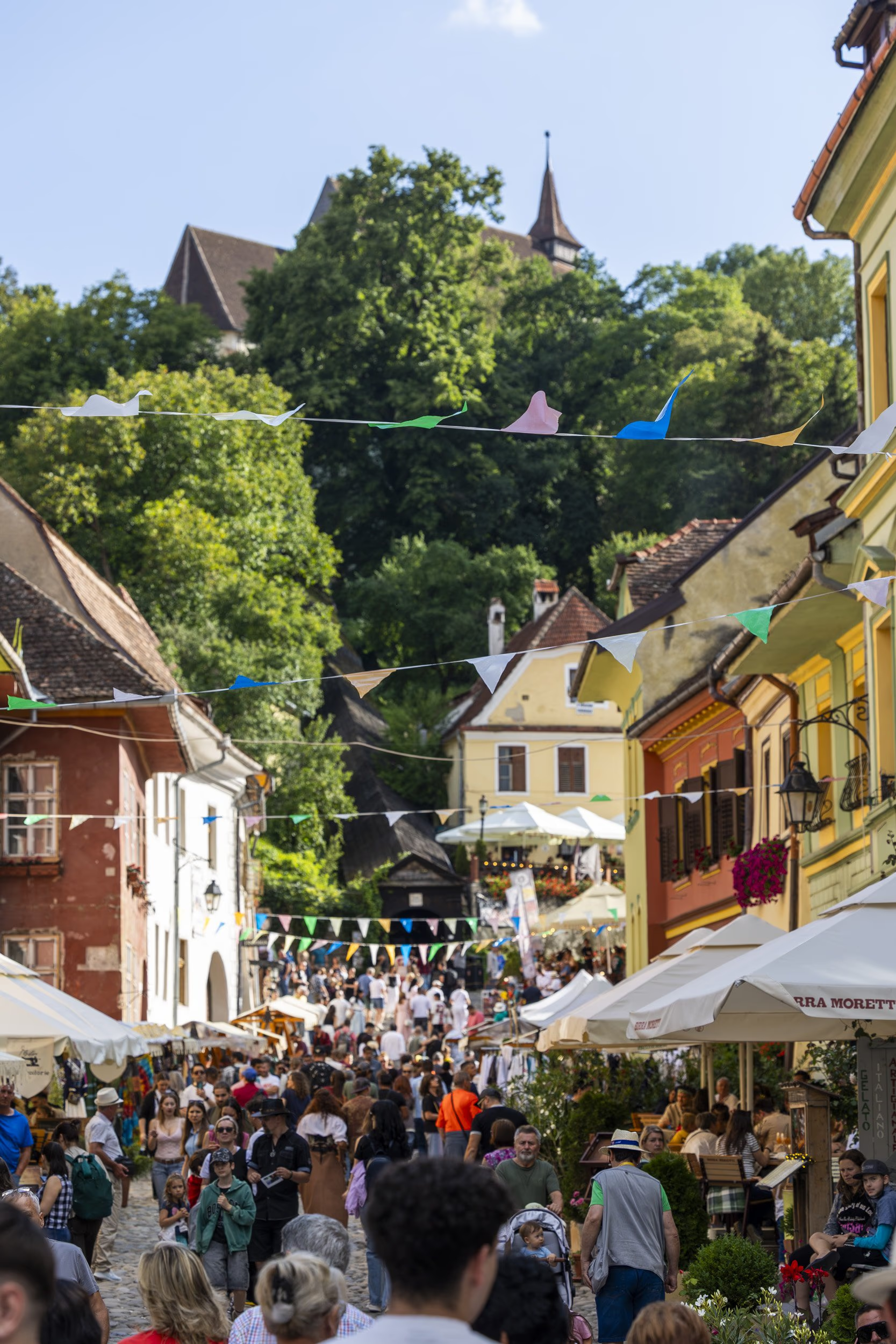
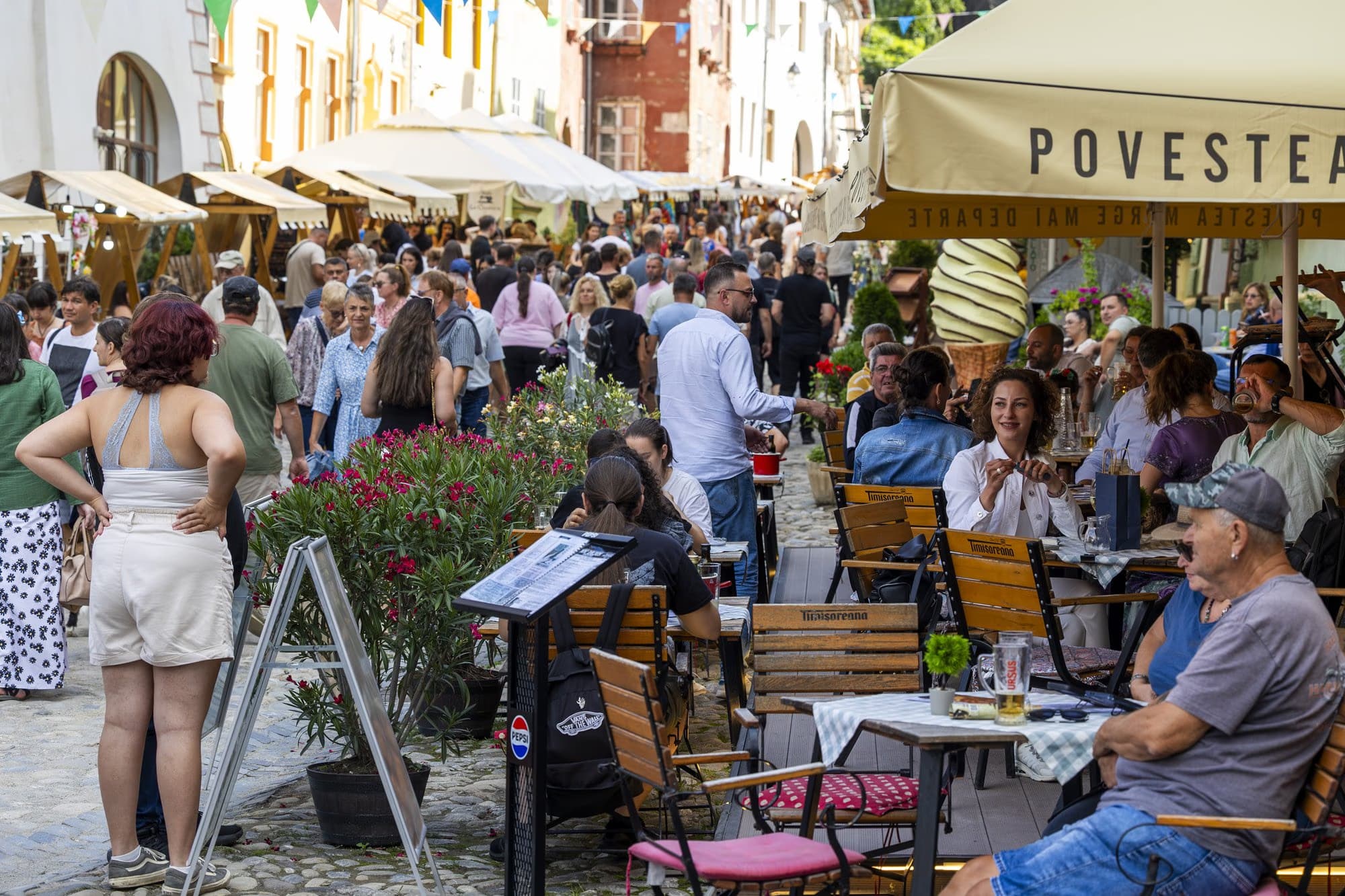
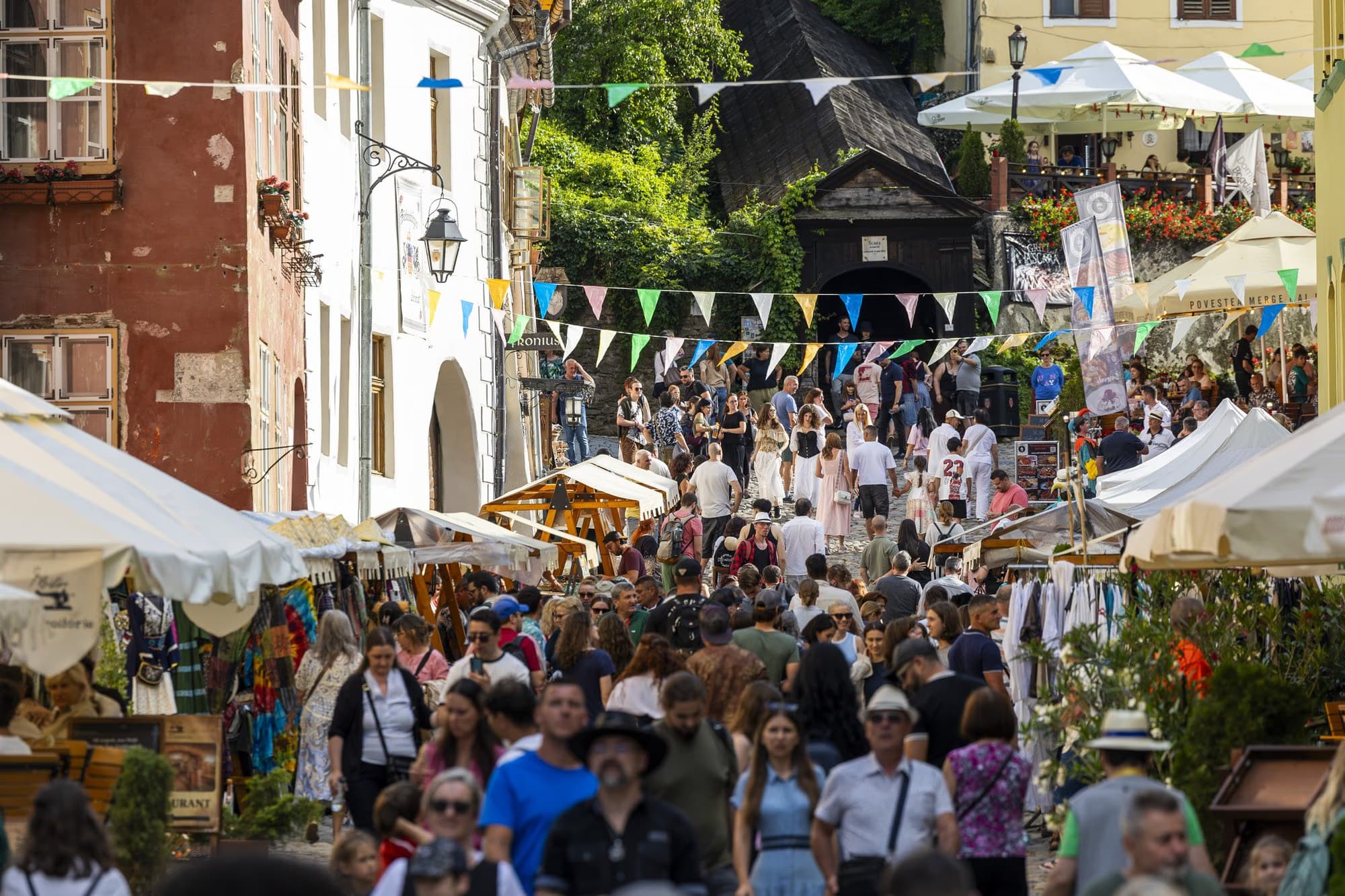
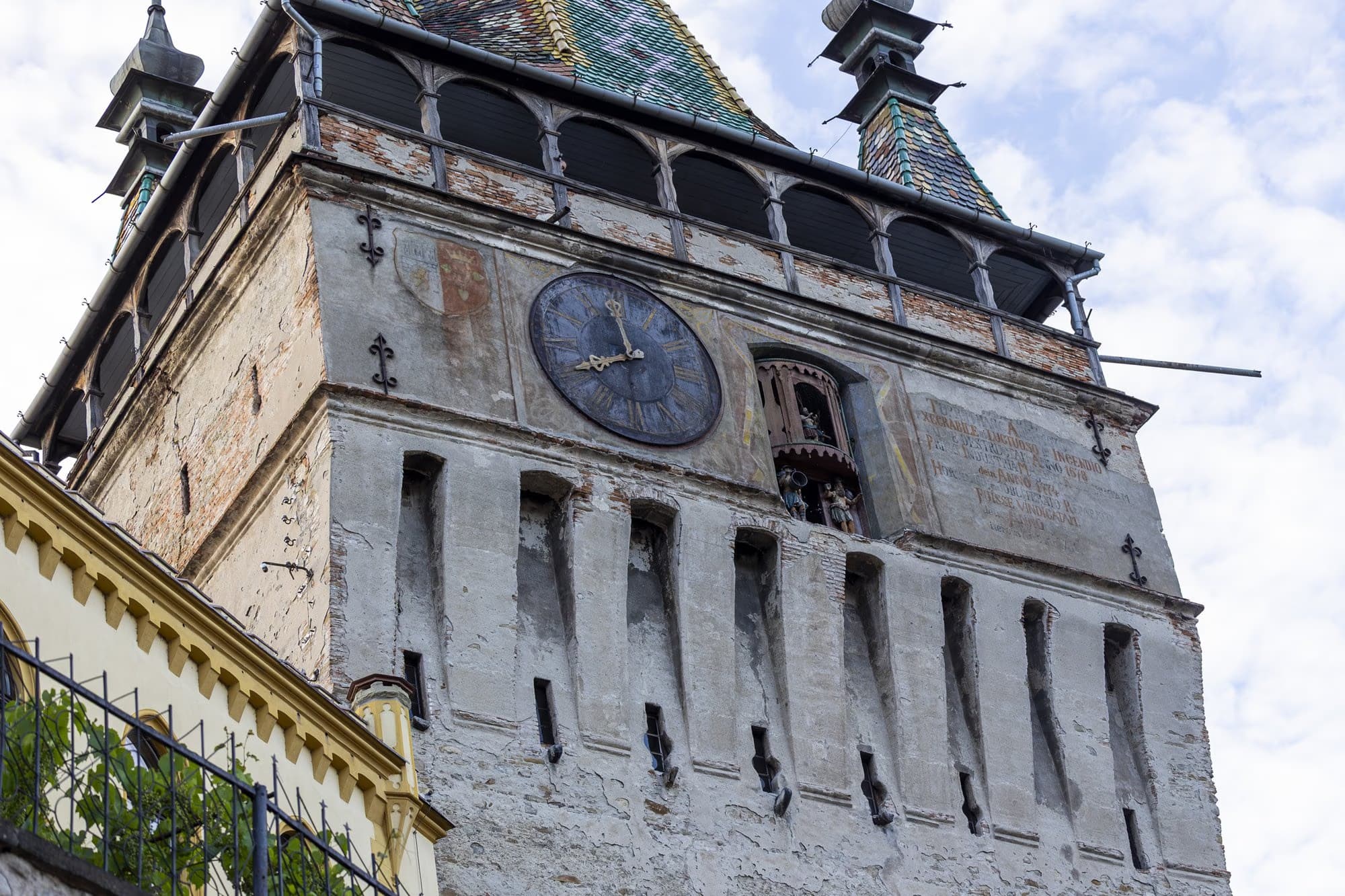
The festival is in its 31st edition — the oldest of its kind in Romania, as the organisers are keen to point out — and it has settled into the town like an old piece of furniture that knows its place: the craftsmen's stalls along the main street, the reenactment camps on the grass beneath the wall, and the main stage in Citadel Square, the cobbled heart of the upper town. The Clock Tower has nothing to do on the programme — but, as it has for five centuries, it presides over everything from on high.
The Fair: Bracelets, Hats and a Witch with a Crow
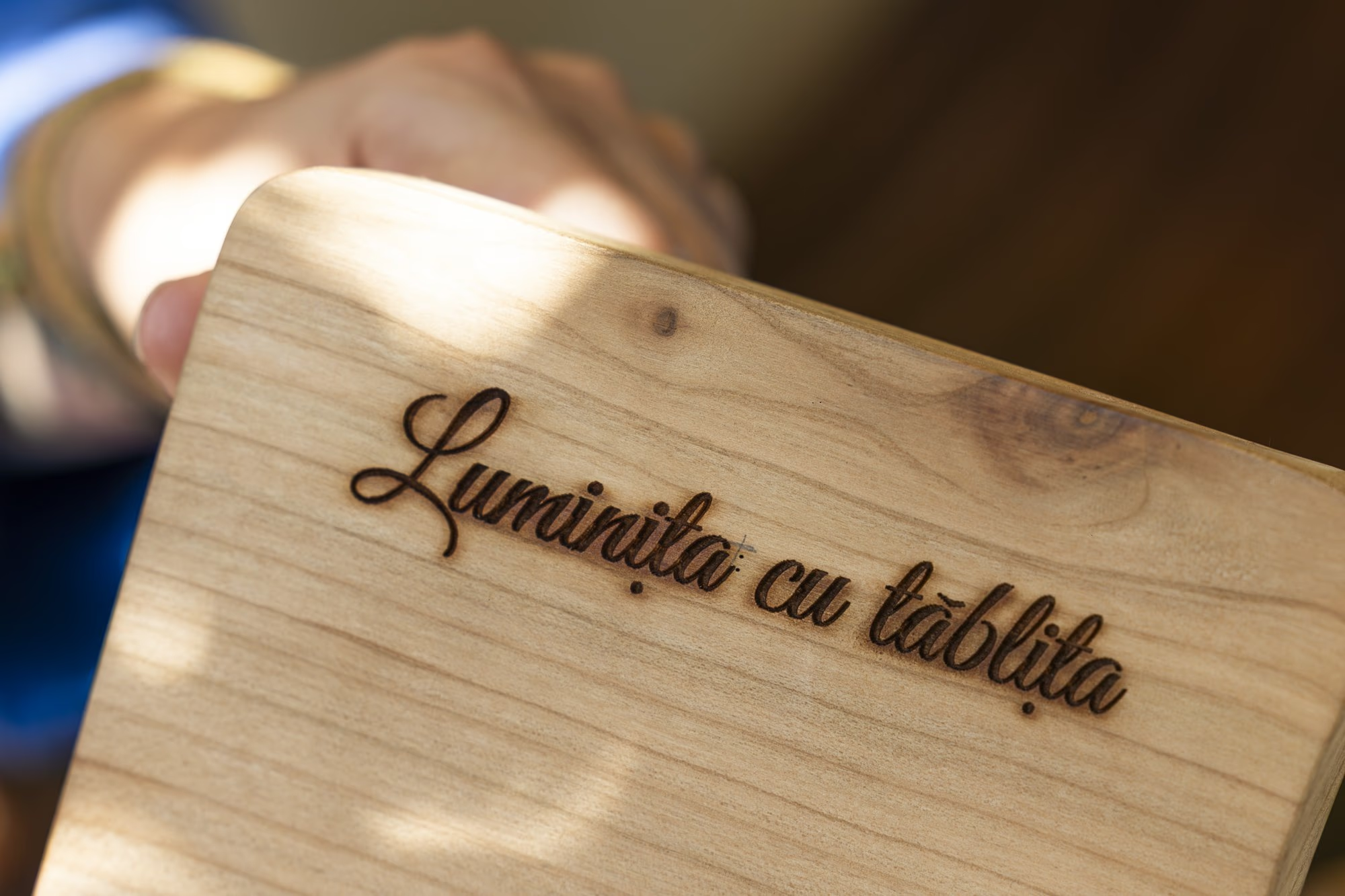
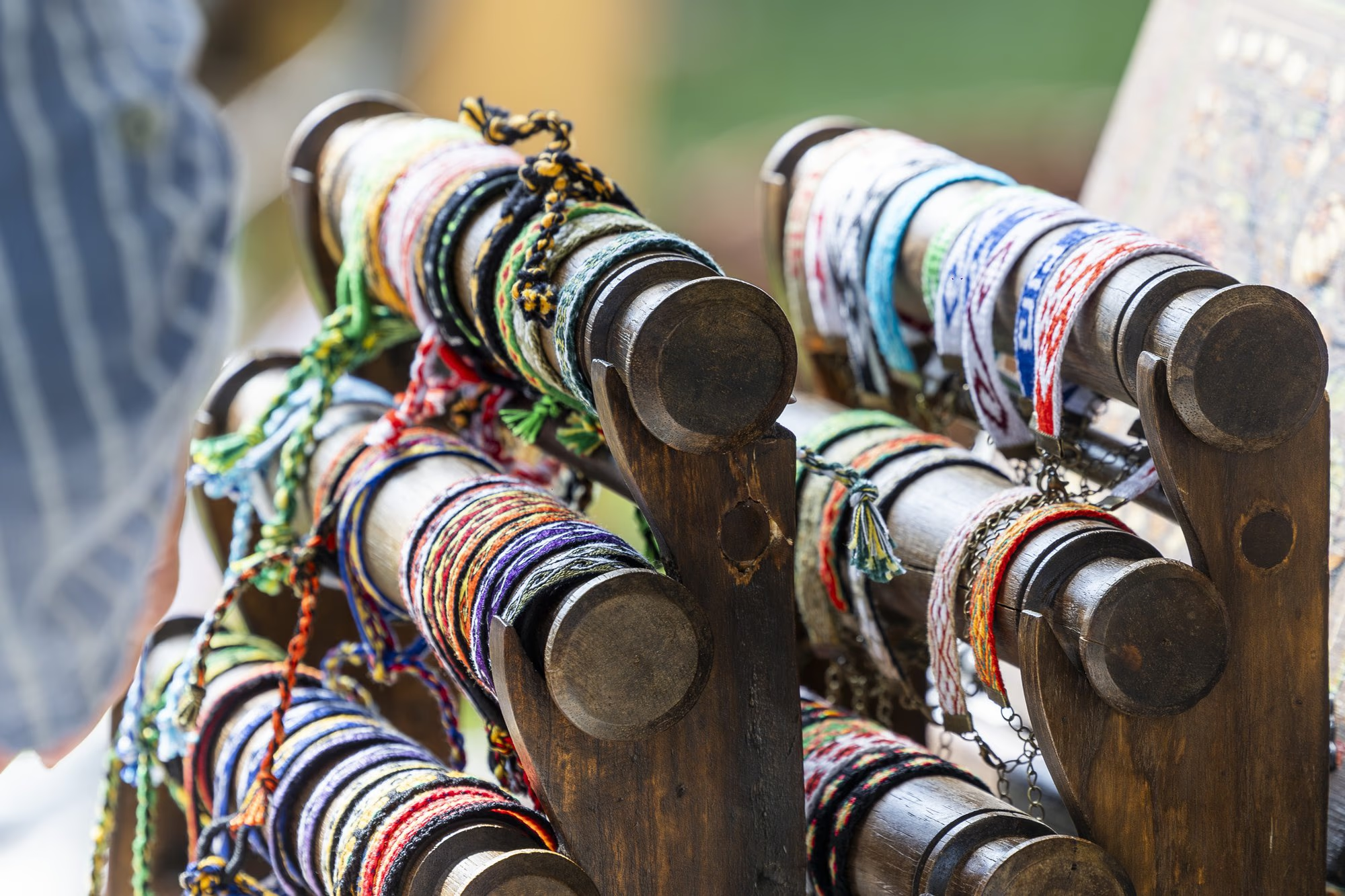
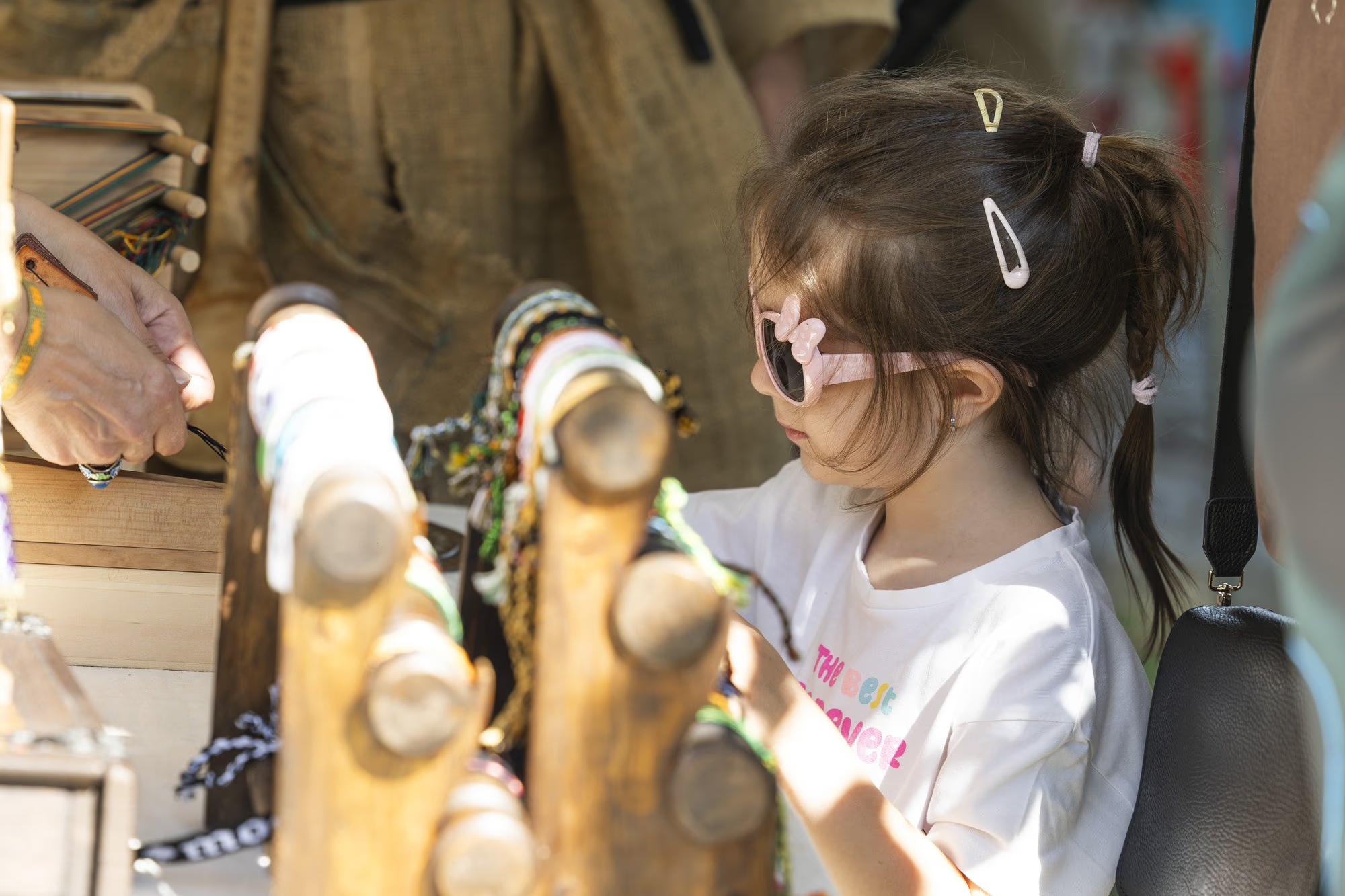
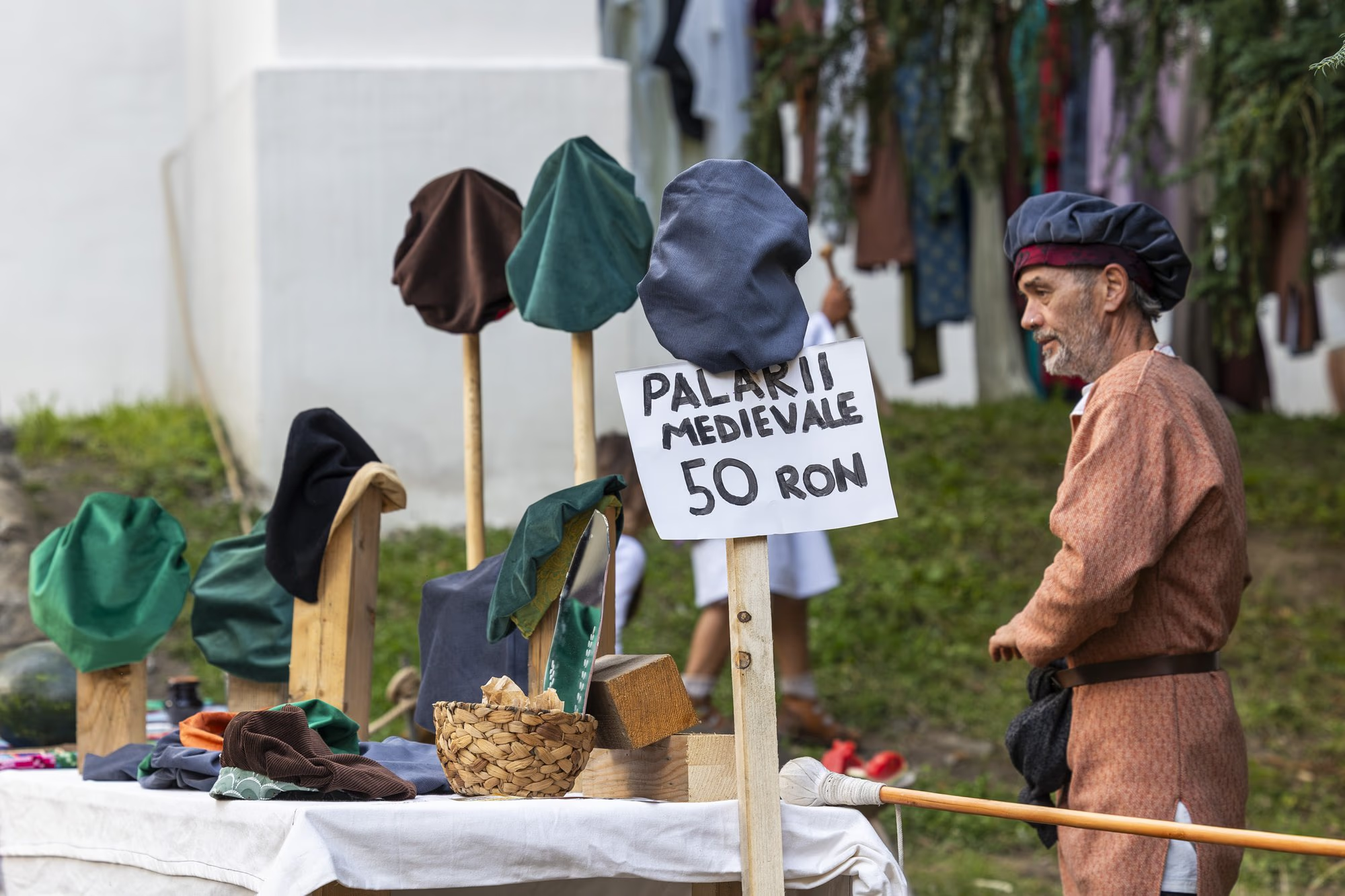
The craftsmen hold the lower end of the street, and every stall is a small stage. At "Luminița cu tăblița" — the name is engraved, how else, on a little wooden plaque — the woven bracelets sit wrapped by the hundreds around round wooden holders, like thread on spools in a haberdashery of old. Children choose with the seriousness of jewellers: patterns are compared, opinions are sought, first choices are returned to.
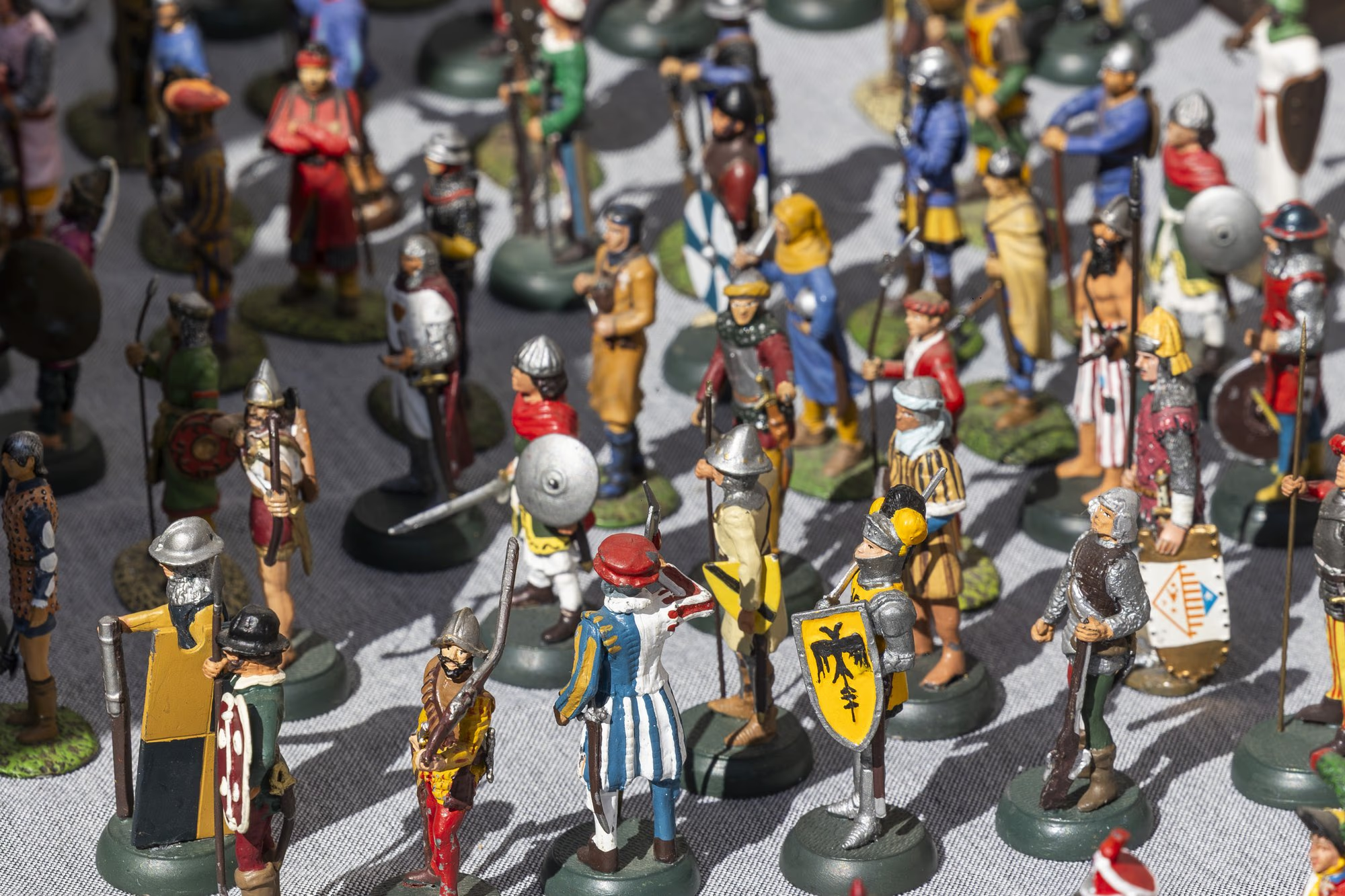
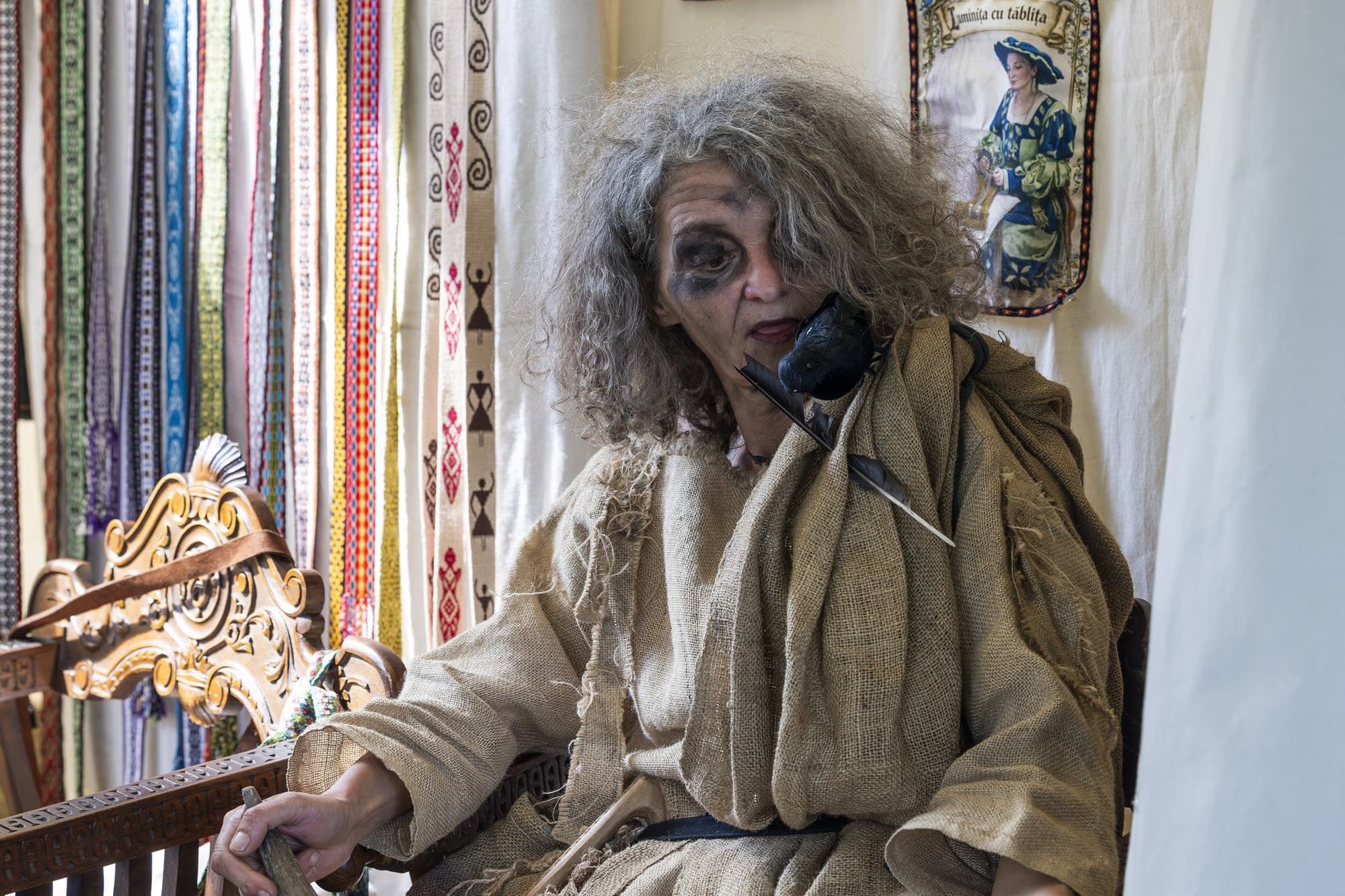
Further up, on a table draped in grey cloth, a military history in miniature is on parade: hand-painted lead soldiers, from knights with fingernail-sized shields to Napoleonic grenadiers in scarlet tunics. The seller knows them all — regiment by regiment. And a little further on, at a textile stall, the most photographed character of the fair stands guard: a witch with wild hair and a crow on her shoulder, who sizes you up with a look and, if you are lucky, smiles at you — at which point the whole spell changes.
4 p.m.: Slaves for Sale in the Square
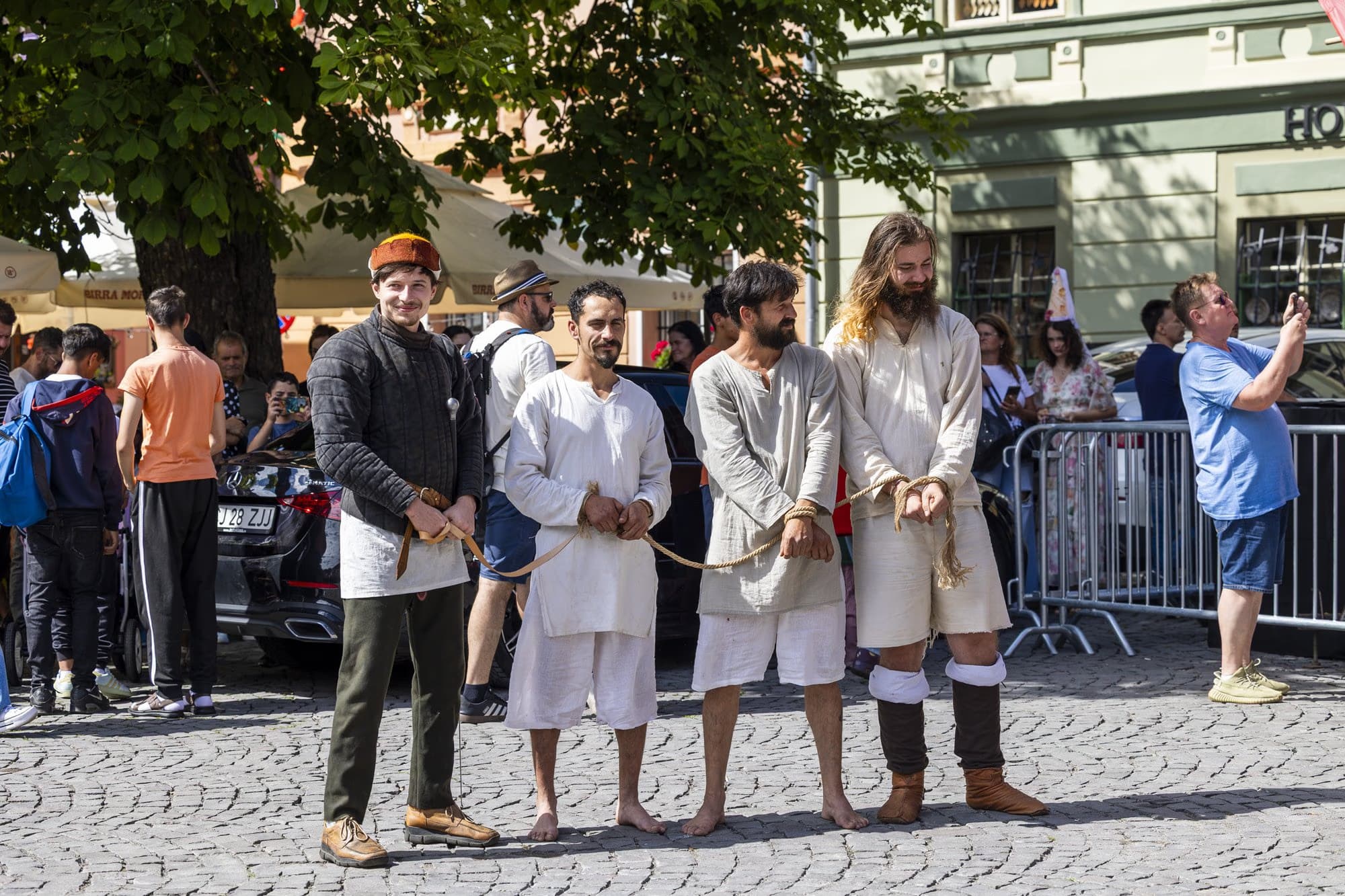
Saturday's programme opens with the strangest moment of the festival — and, judging by the circle of spectators, the most eagerly awaited. Three barefoot men in hemp shirts, roped together with thick cord, are brought out before the crowd. The crier — blue brocade tunic, yellow beret, a rope slung over his shoulder — praises their qualities one by one, with the sweeping gestures of a merchant who knows his wares: one is "good with a scythe", another "doesn't eat much". The audience bids amid laughter; every now and then, a brief silence recalls that, on these very stones, this scene was not always theatre.
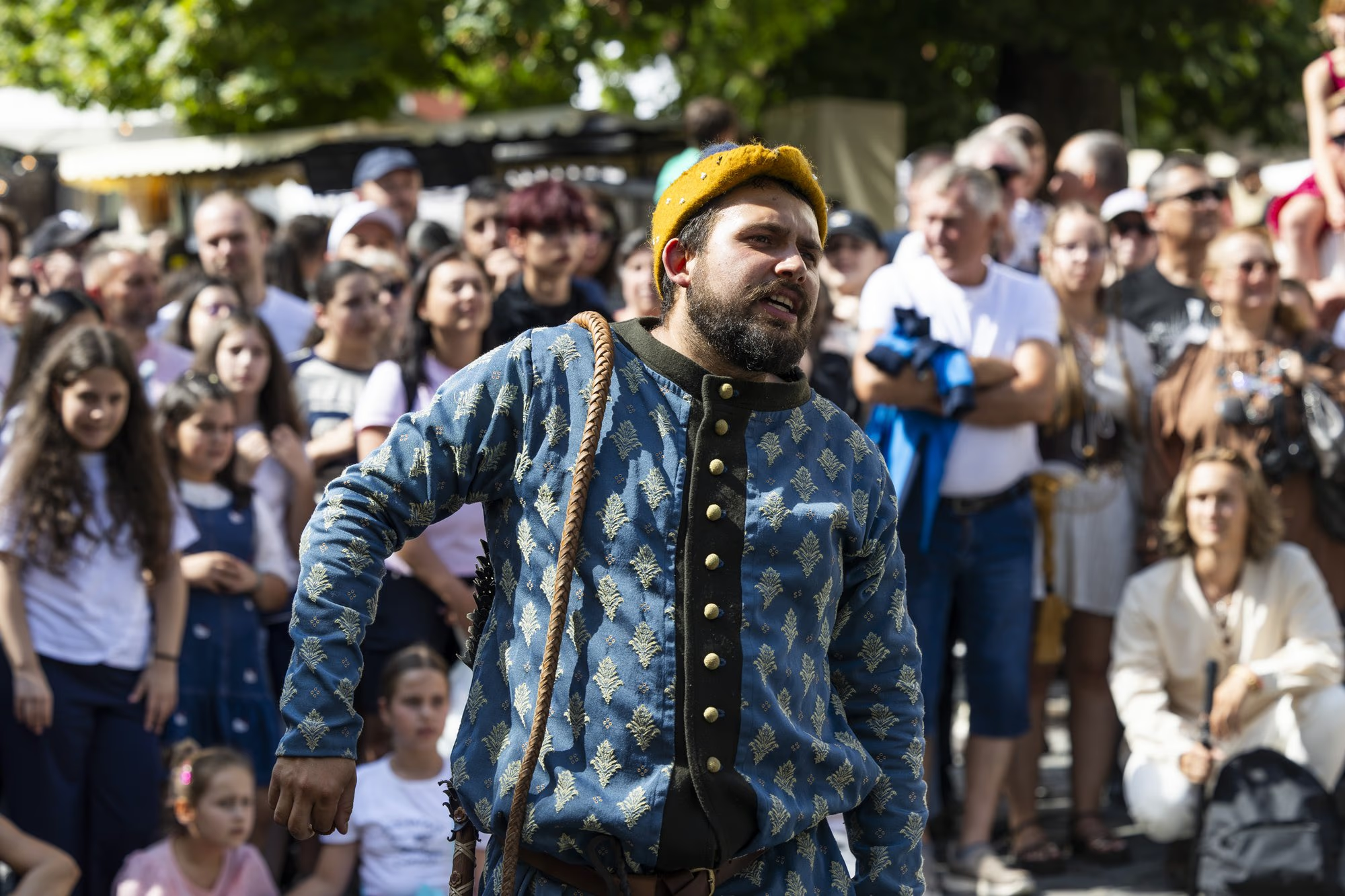
The Camp: Where Children Get Their Hands on Weapons
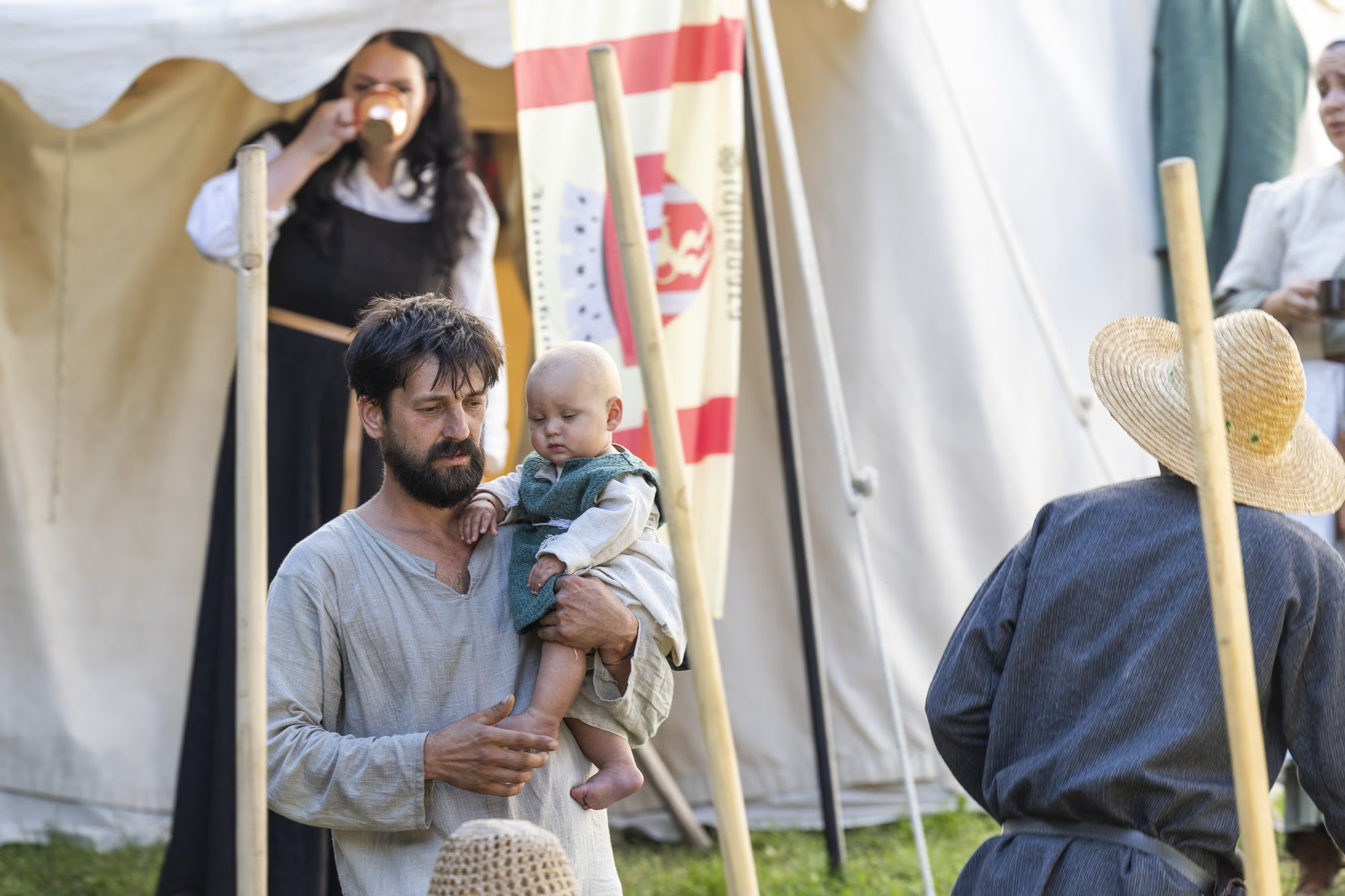
Behind the stage, on the grass in the shadow of the wall, the medieval camp goes about its life as if unaware of being watched. The white canvas tents stand in a row, painted shields propped against halberds; on a line hang clothes that have genuinely been washed; a white-bearded craftsman, hood pushed back on his neck and arms tattooed, tells stories to whoever stops. The reenactors do not perform camp life — they live it, babies carried among the spears and all.
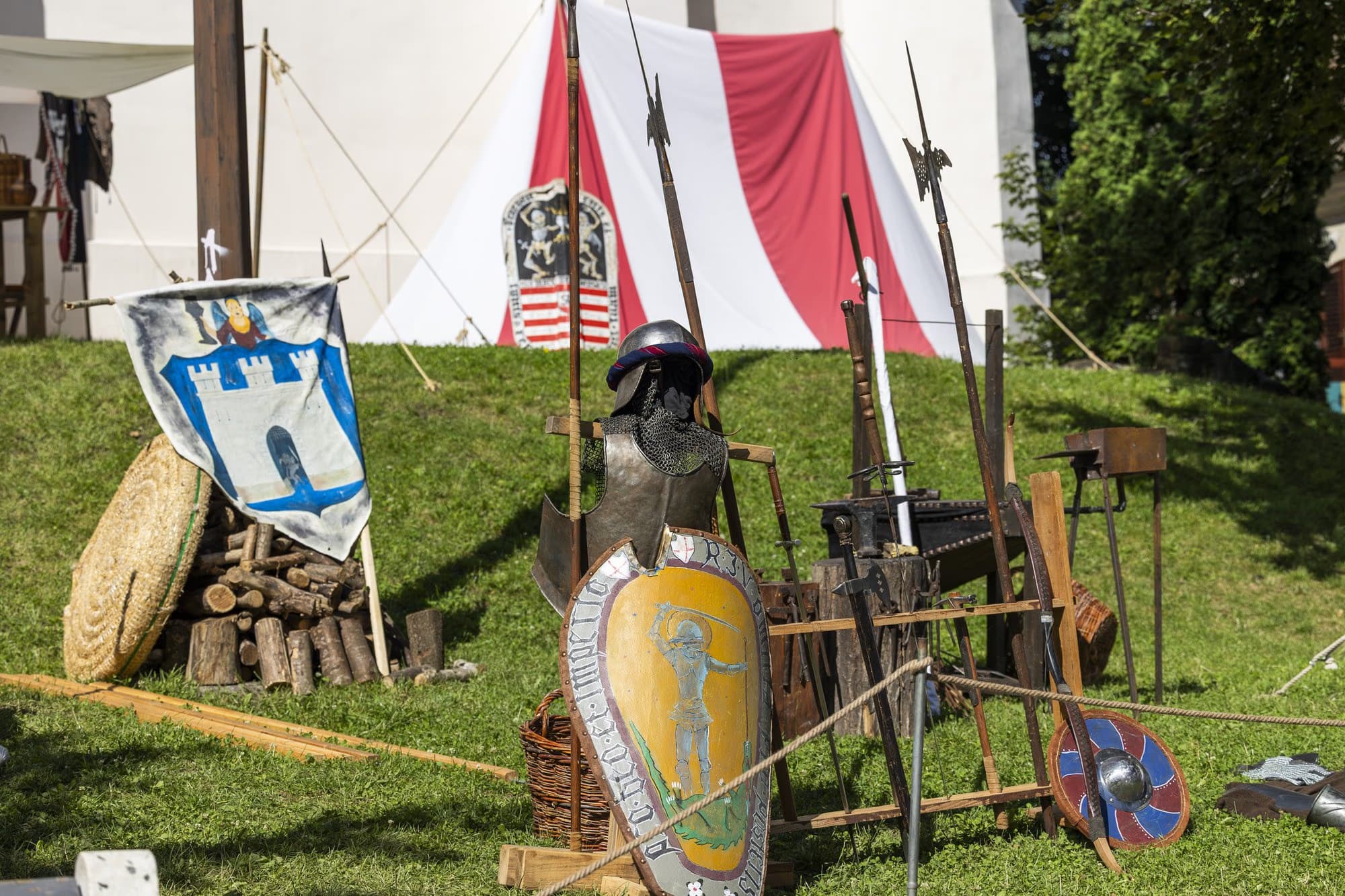

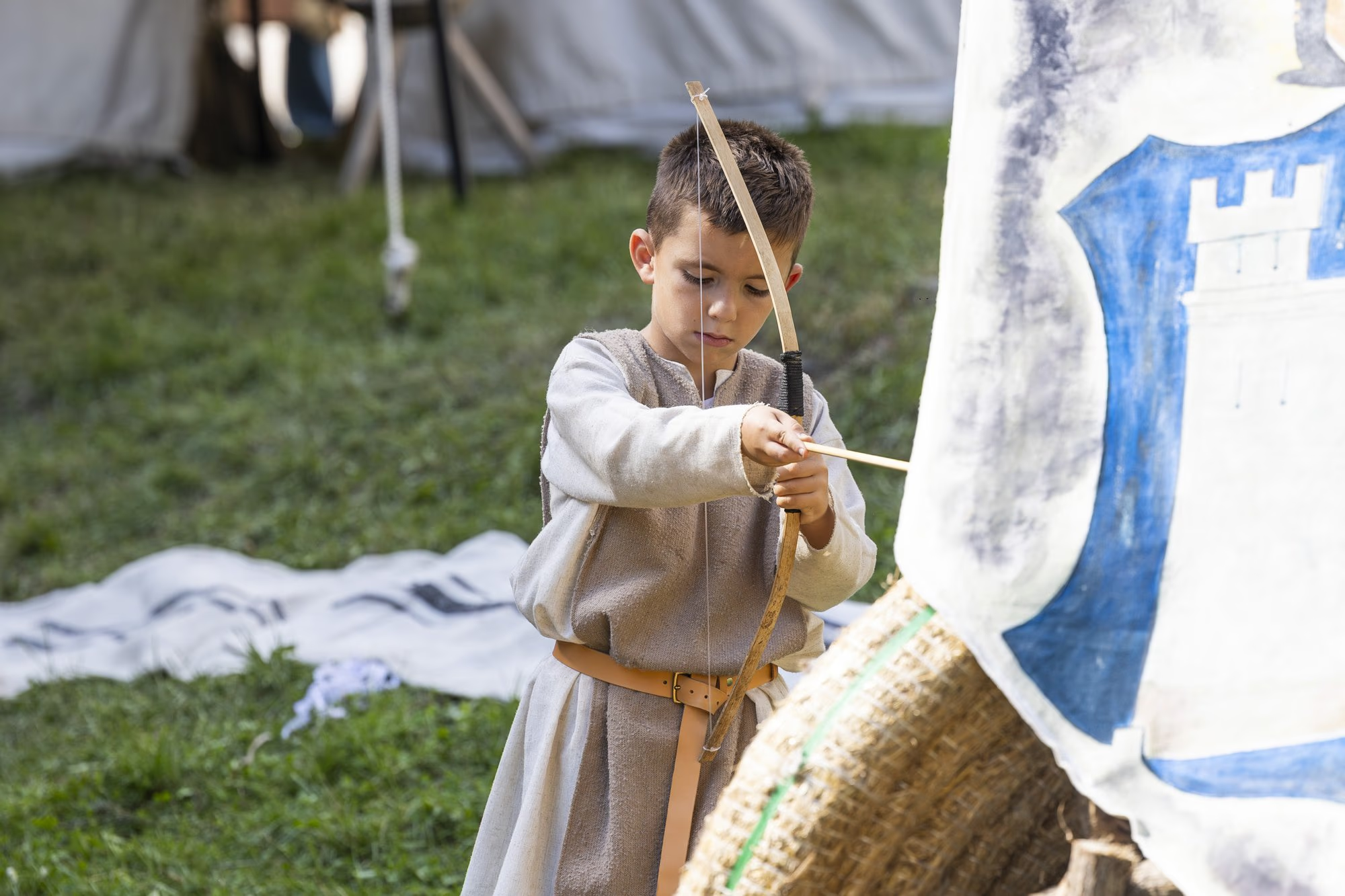
For children, the camp is the paradise forbidden at home: here, the weapons may be touched. A boy of about seven draws a bow with the full weight of his body, under an instructor's eye; another tries out a spear twice his height. Arrows are handed out sparingly; stories — without limit.
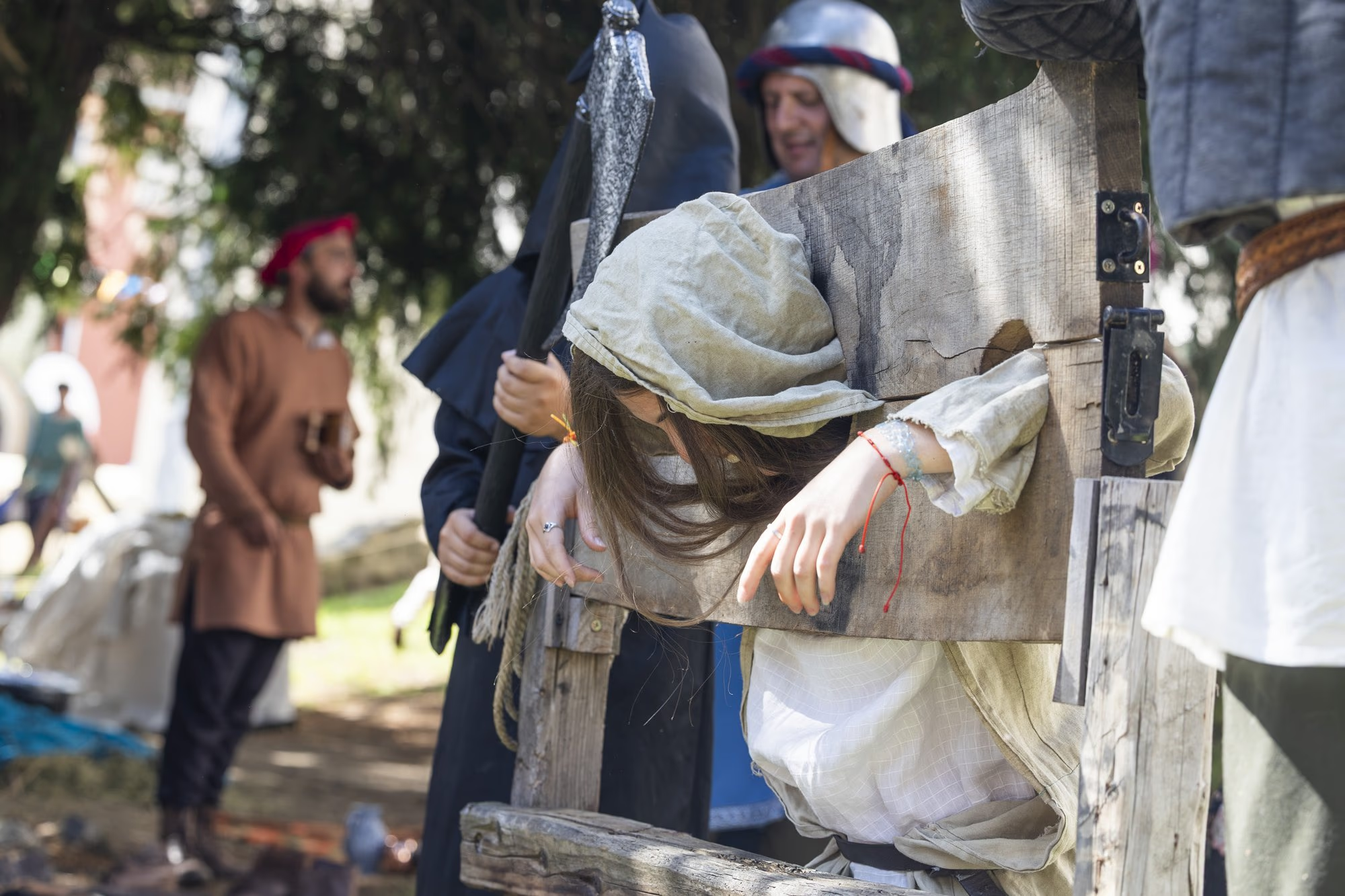
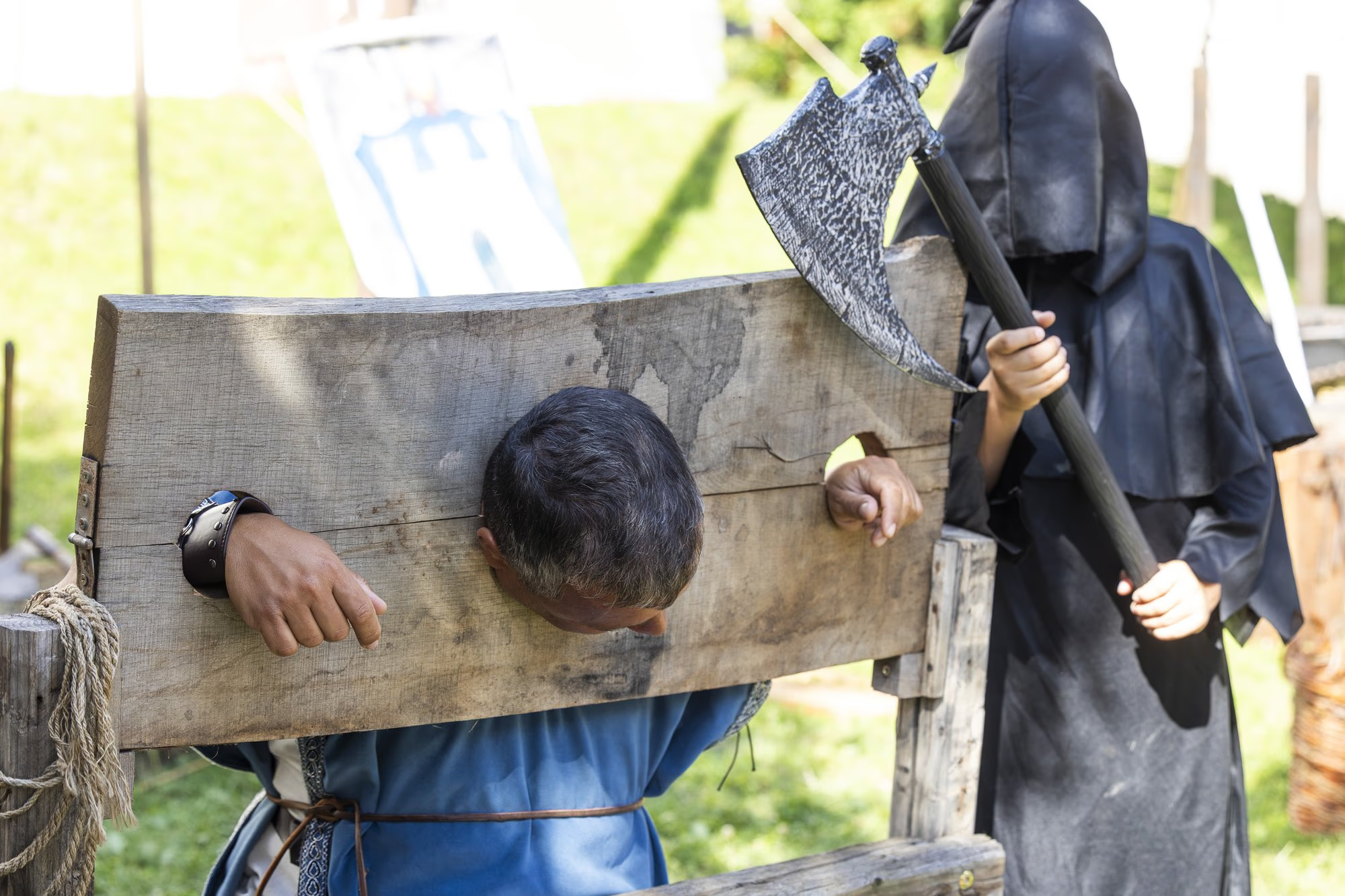
The undisputed star, though, remains the punishment stocks. There is a queue for them, phones at the ready: head and hands through the holes in the blackened wood, the hooded "executioner" with his prop axe standing by, the obligatory photograph. Serious men take their turn, submitting to their "sentence" with dignity, followed by a little girl in pink sunglasses whom her mother carefully settles into the instrument of torture — to the amusement of the entire queue. The punishment lasts exactly as long as a good photograph.
Jesters, Stilts and the Living Statue
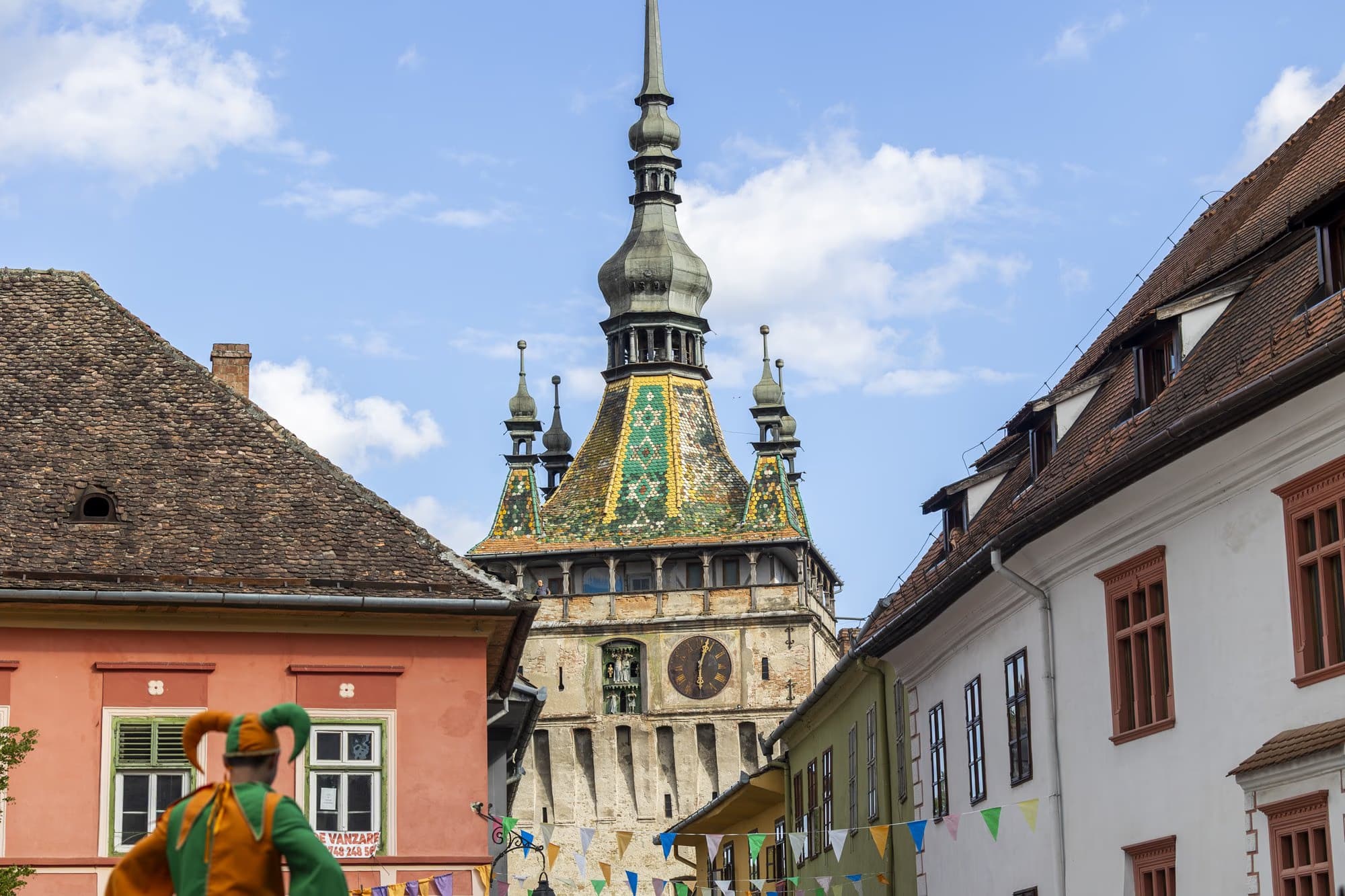
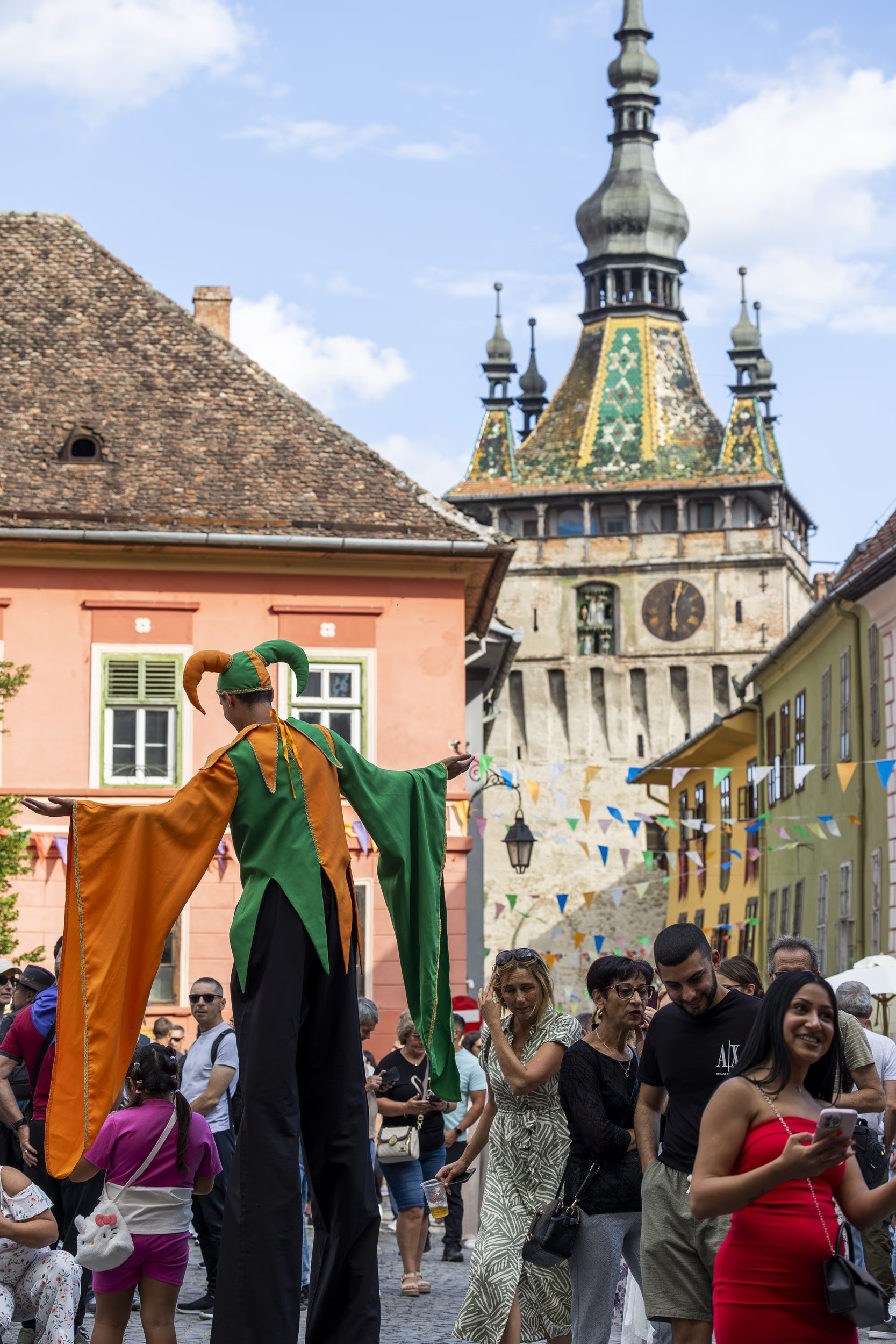
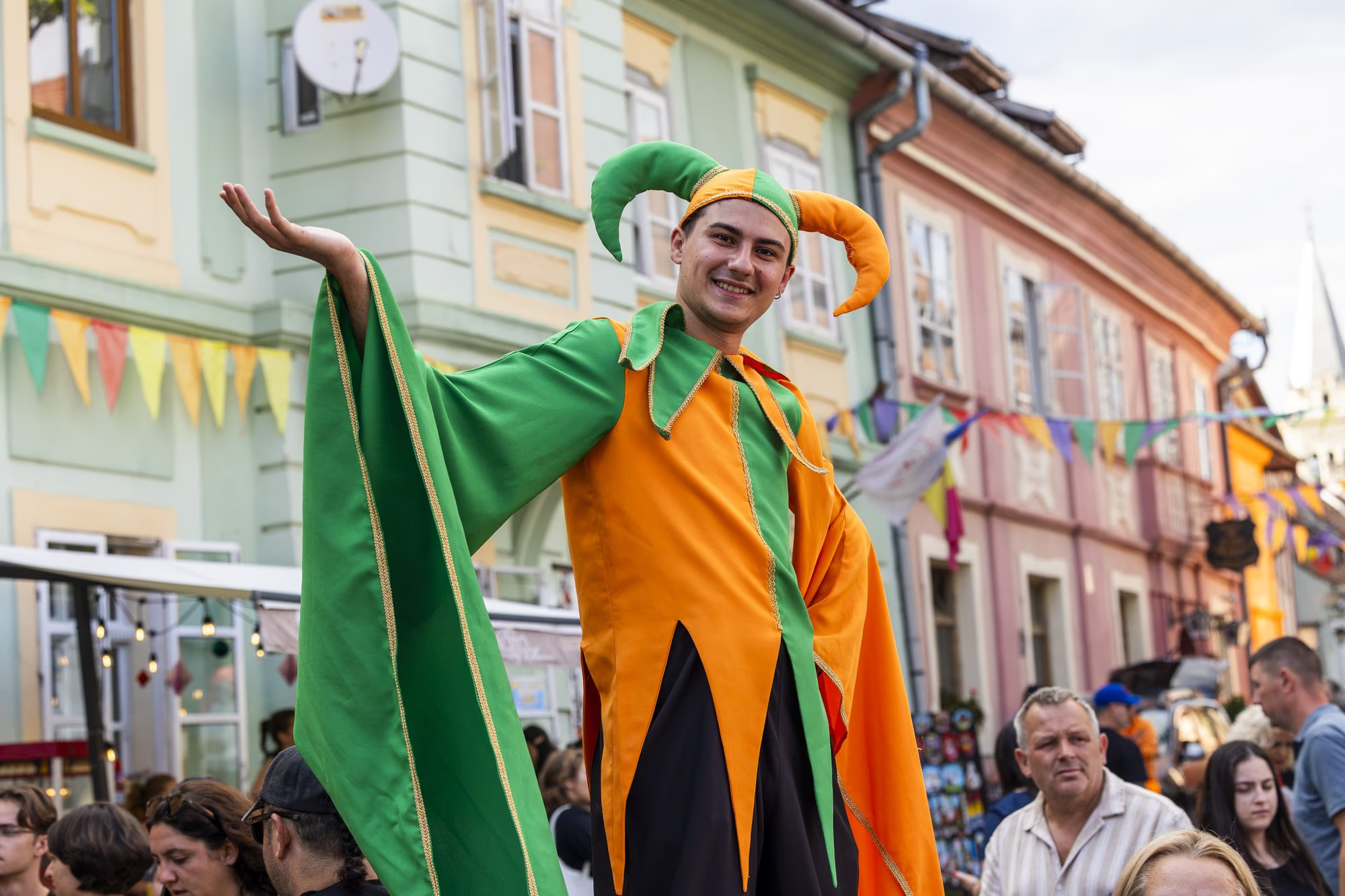
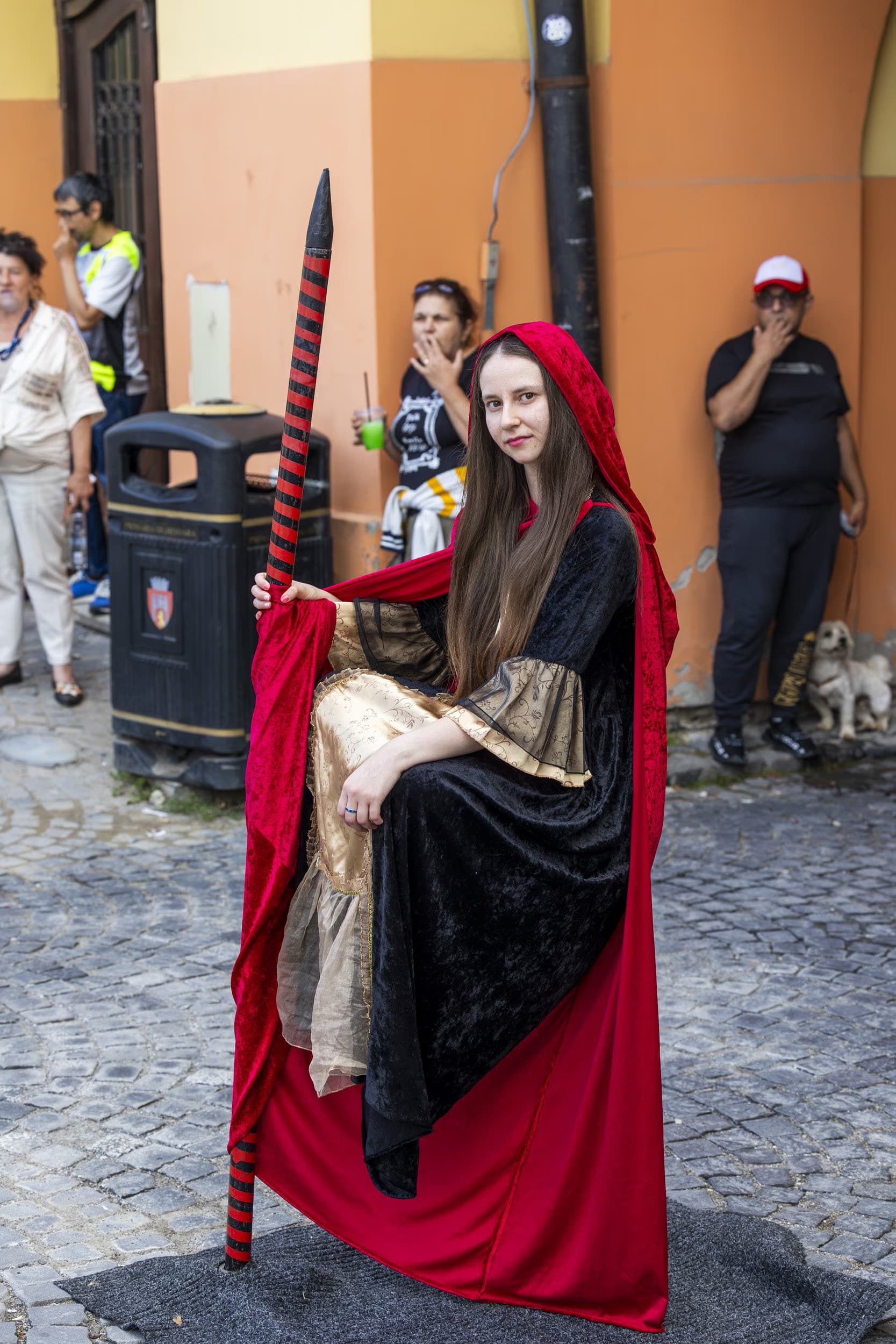
From 5.15 p.m., the street belongs to the Funny Art troupe. The jester in green and orange strides on stilts above the crowd, sleeves fluttering like flags, and waves from first-floor height; when he passes the Clock Tower, for a moment, the town has two watchmen. Below him, the harlequins work the crowd — compliments, bows, small pranks. A woman in a red hooded dress stands perfectly still on her pedestal — a living statue — until someone comes too close and the statue blinks first. And at a granita stall, a stilt-walking character with ram's horns calmly orders himself something cold: the anachronism bothers no one; it is, in fact, the festival's raw material.
The Life of the Citadel, on Stage
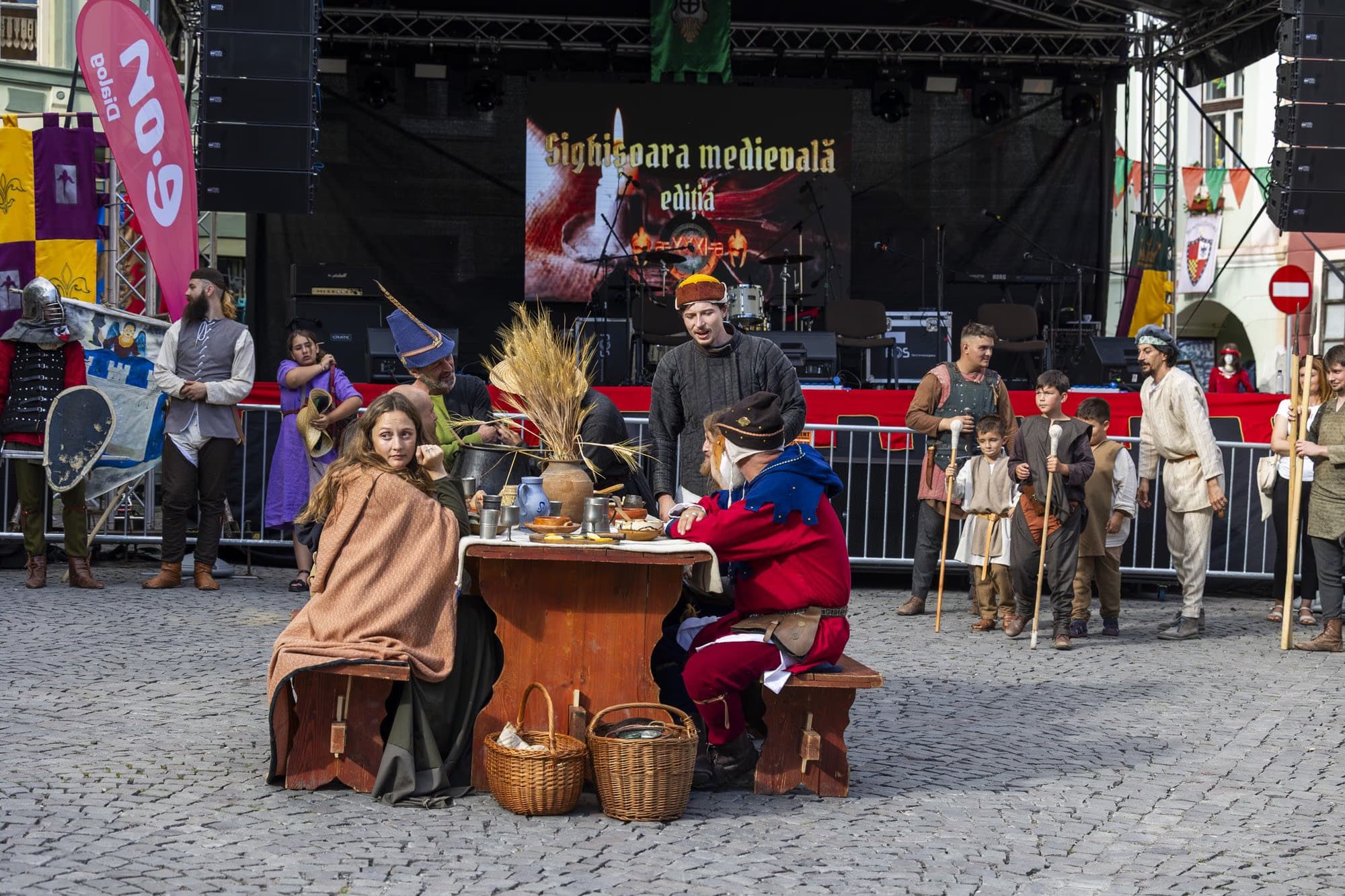
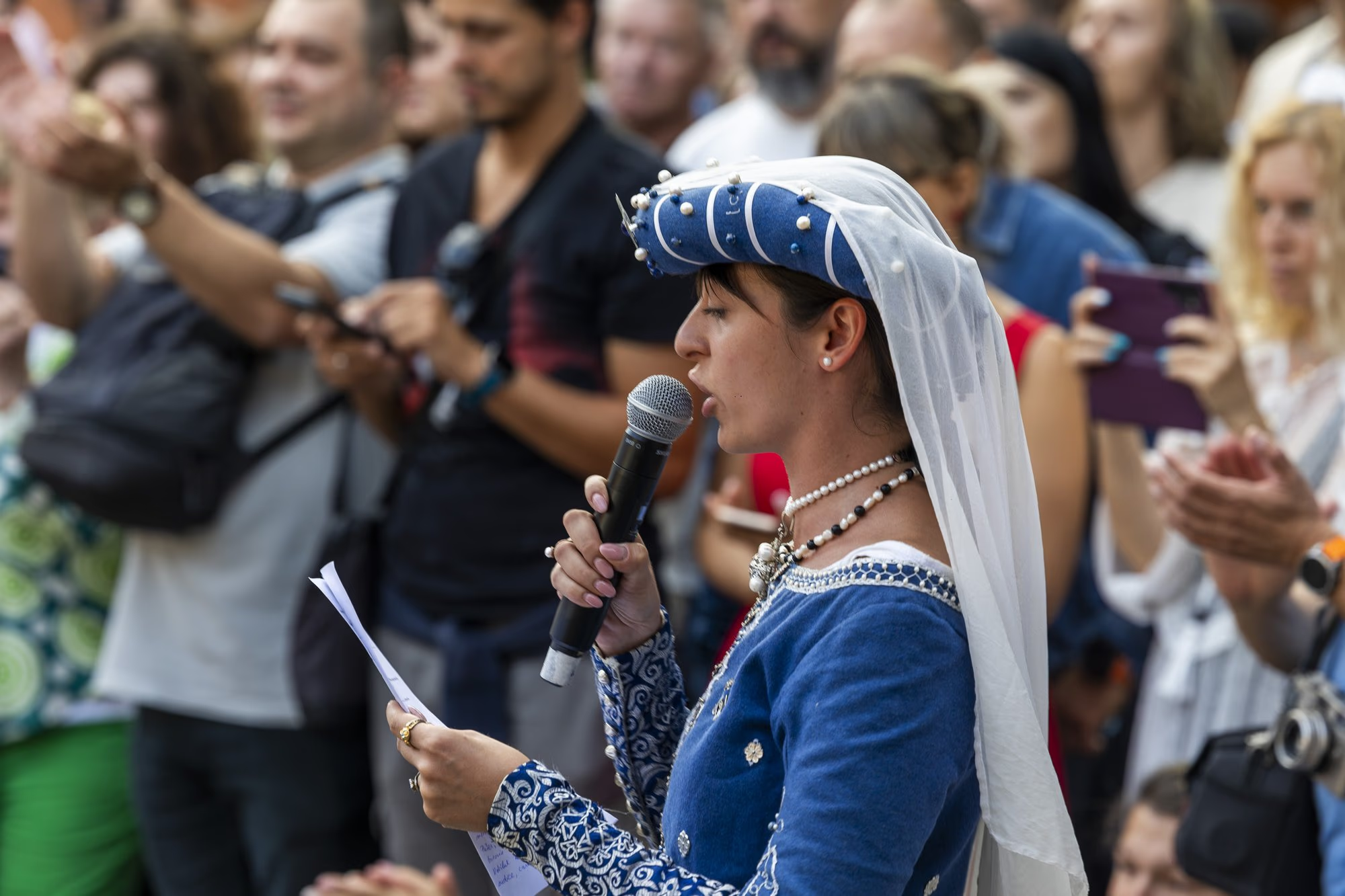
At 5.45 p.m., on the main stage in Citadel Square, Breslele Unite și Compania Dragonului — the United Guilds and the Dragon's Company — perform "Civilian and Military Life in the Sighișoara Citadel". The set is an entire household moved onto the platform: a wooden table with clay dishes, wicker baskets, sheaves of wheat; on one side, women in heavy woollen dress prepare the meal, on the other, boys with spears fall into line under clipped commands. It is the history lesson in its most digestible form: with the smell of bread and the clatter of weapons. Then come the popular farces of Asserculis — commedia dell'arte as performed by the Mercenaries — and between shows, the herald in a blue dress and white veil ties it all together with the only microphone tolerated in the sixteenth century.
The Drums That Climb the Street
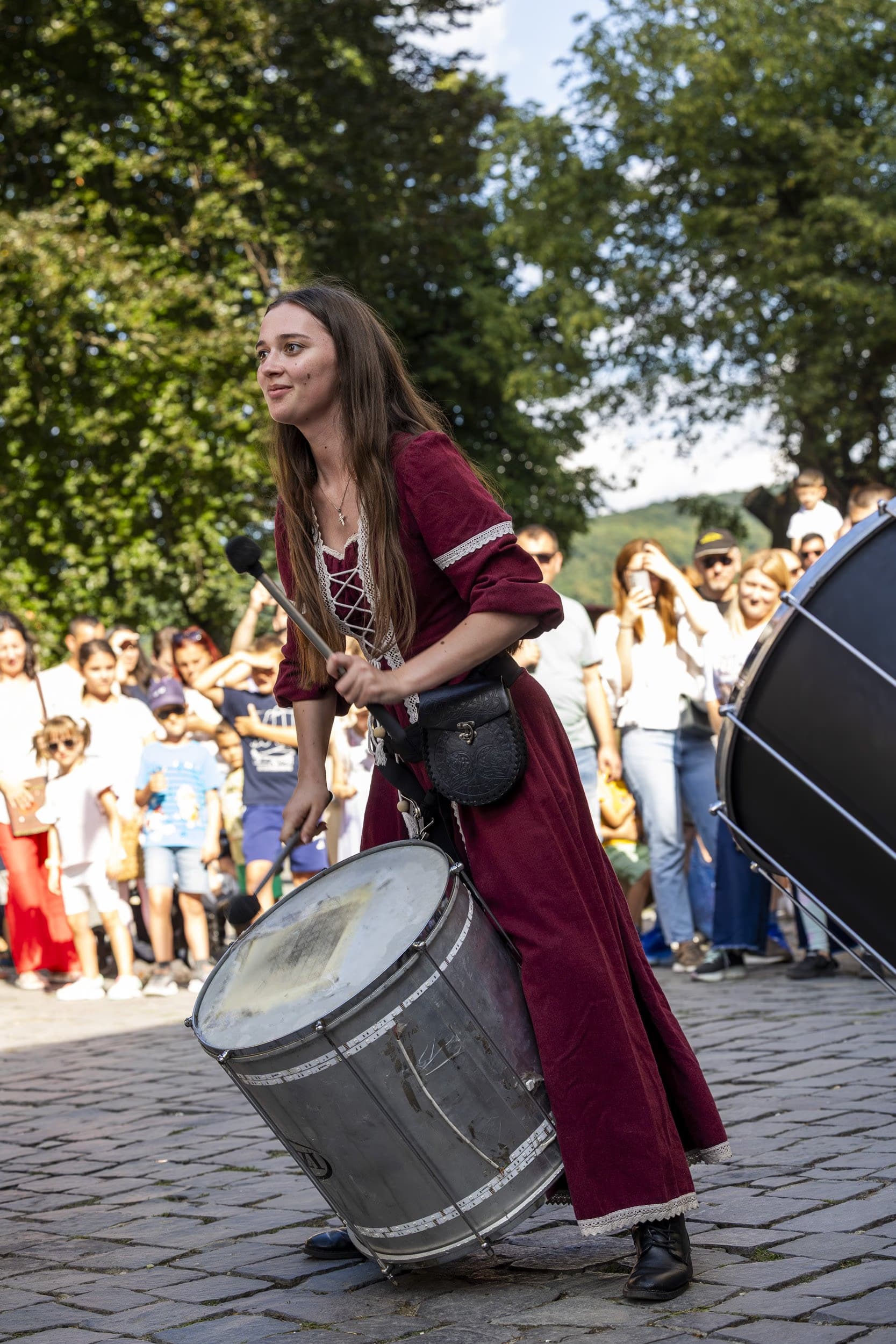
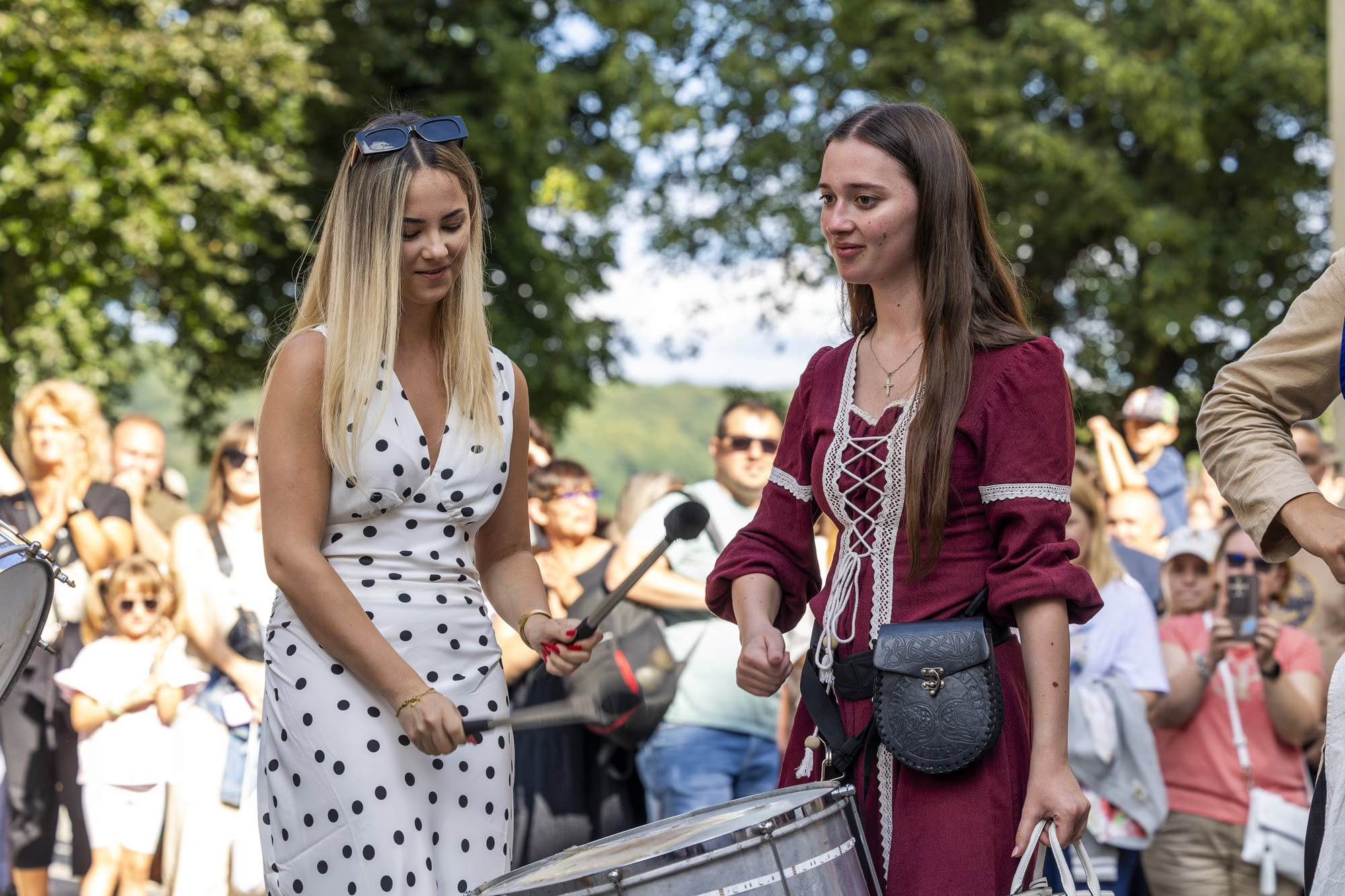
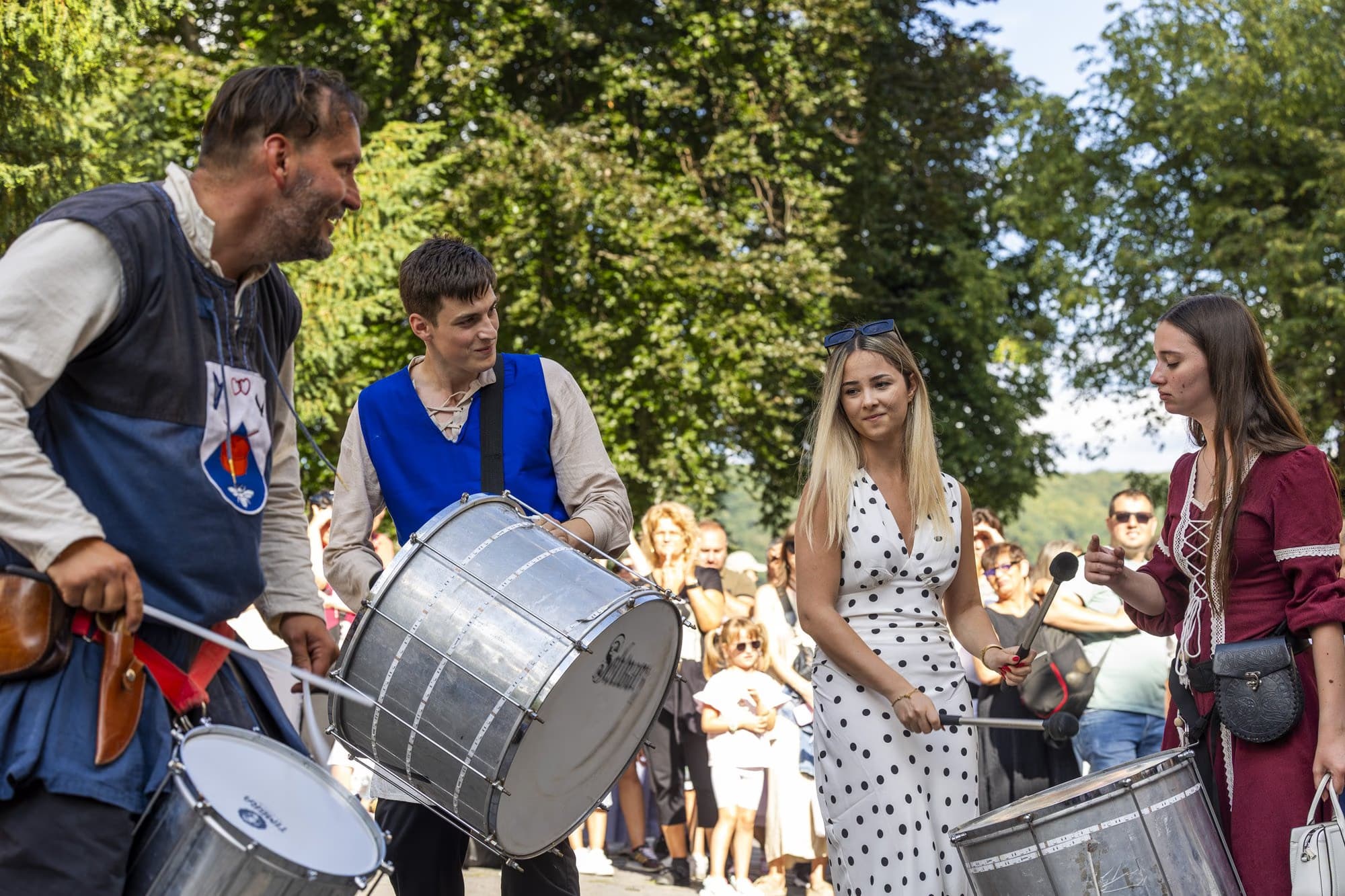
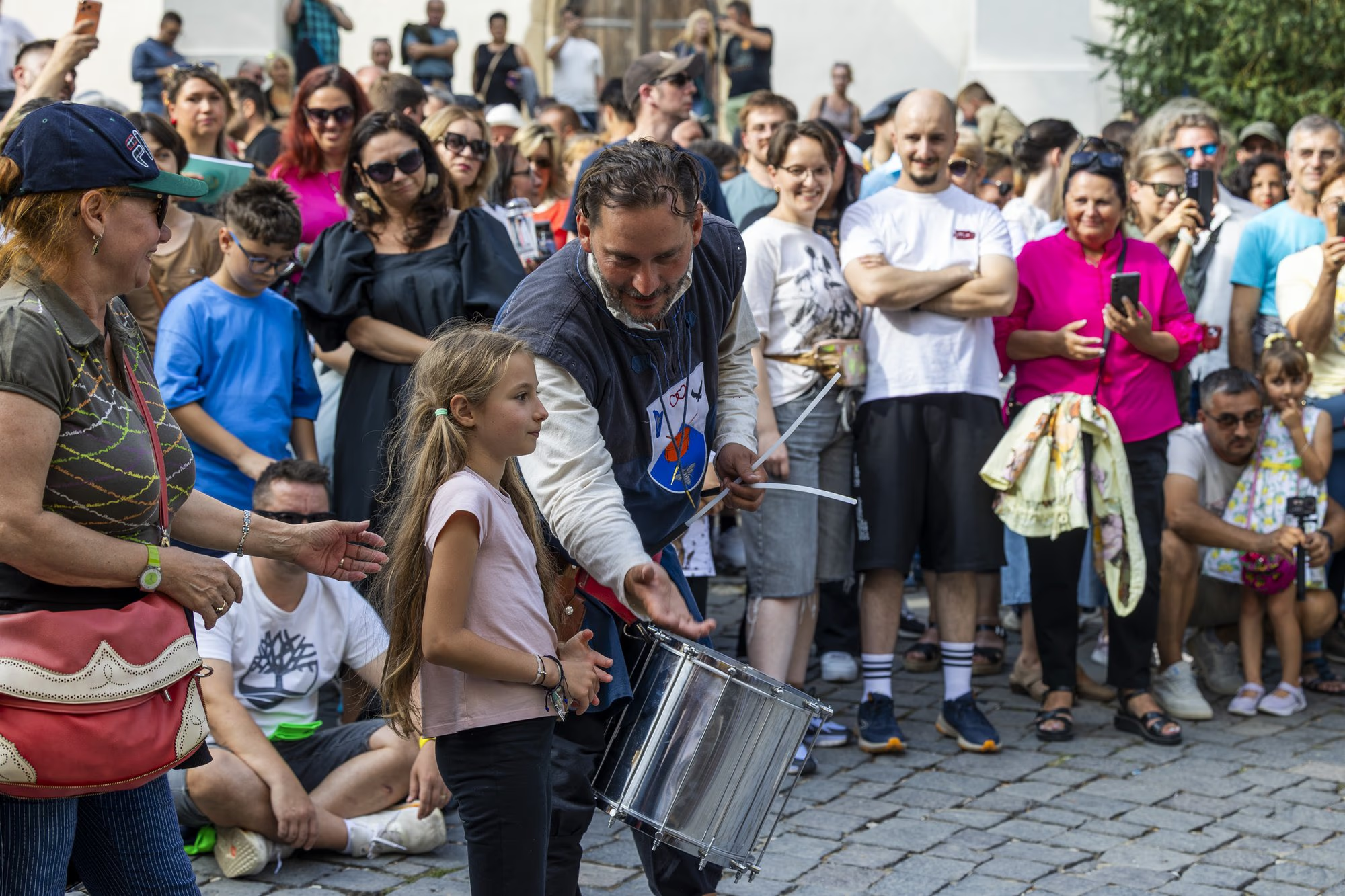
The percussion show of Mercenarii din Asserculis — the Mercenaries of Asserculis — does not stay on stage: it comes down into the street and climbs back up, audience and all. The big drums — modern instruments, blue medieval tunics with a coat of arms — are heard before they are seen; when the band passes under the gate's archway, the sound doubles and children cover their ears, laughing. A drummer in a sour-cherry-red dress sets the beat with a metronome's precision; her raised arm is the signal everyone waits for.
And then comes the moment that conquers the audience for good: the sticks are handed to the spectators. Two visitors — one in a white polka-dot dress, caught completely unprepared and completely delighted — are given drums and join the formation; the rhythm limps for two bars, then settles. A small boy is handed the big drum too, taller than he is, and strikes it with a seriousness that draws applause. The band grows, show by show, with everyone who cannot help themselves.
The Maidens of the Seal
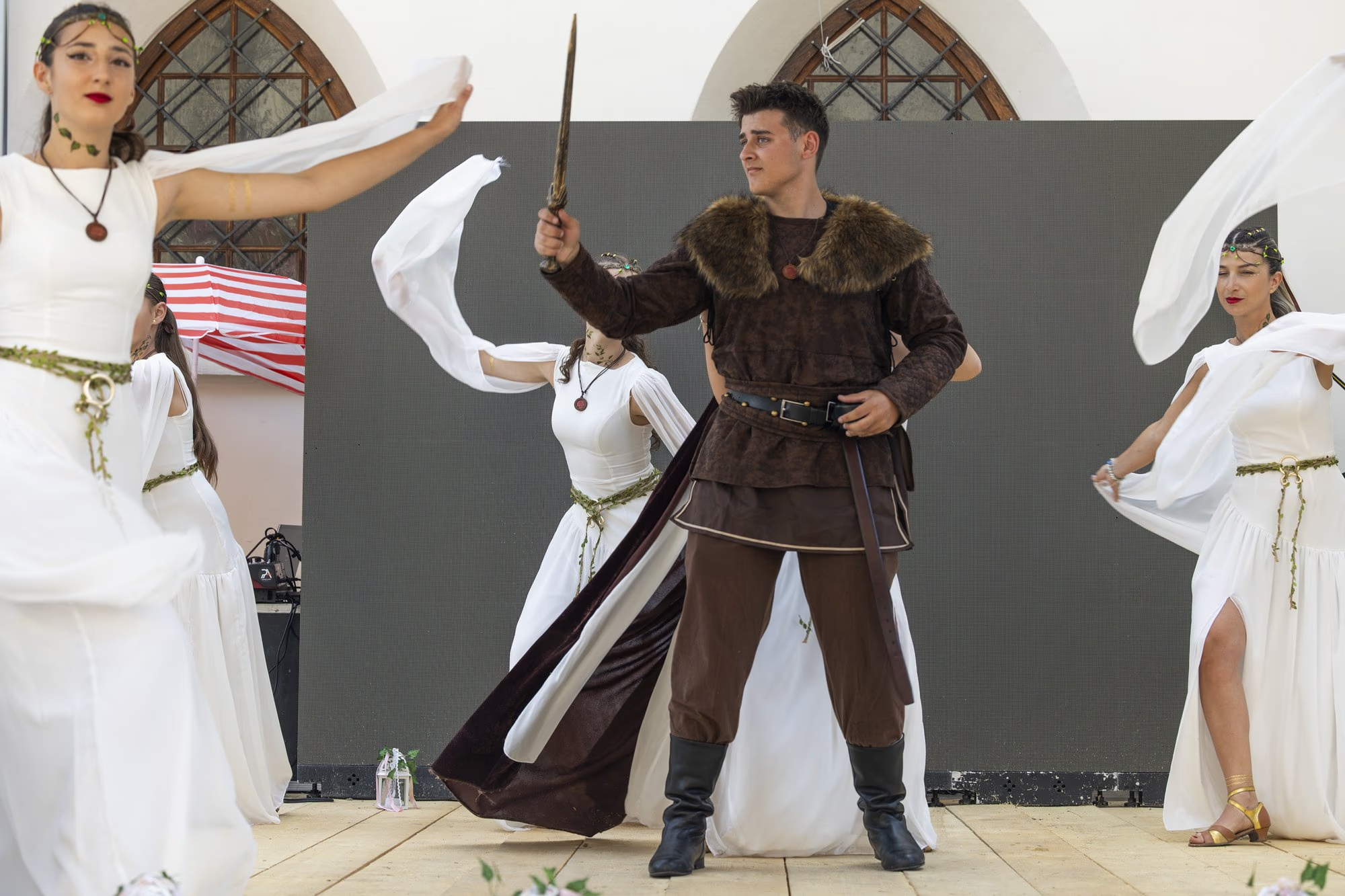
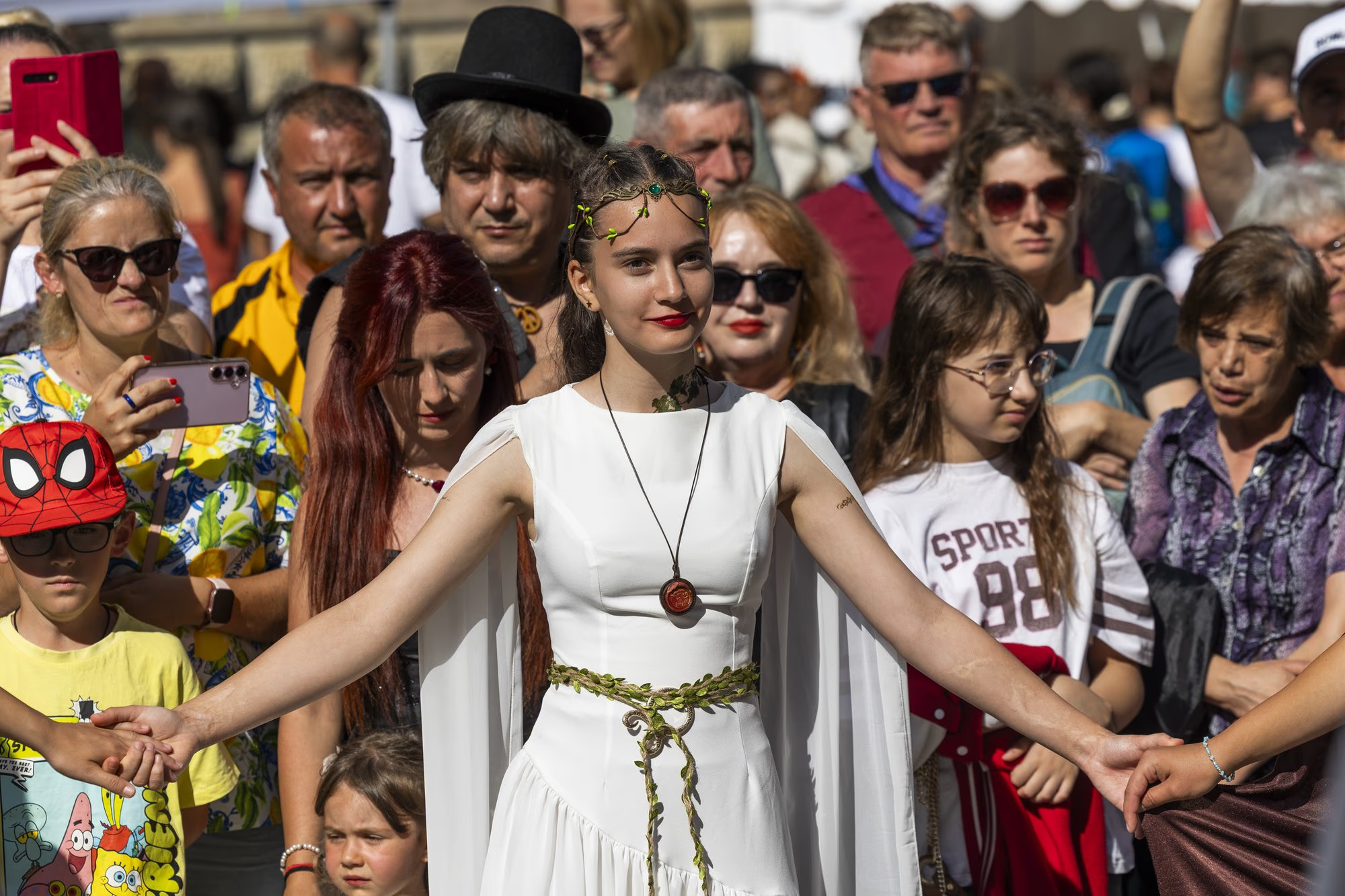
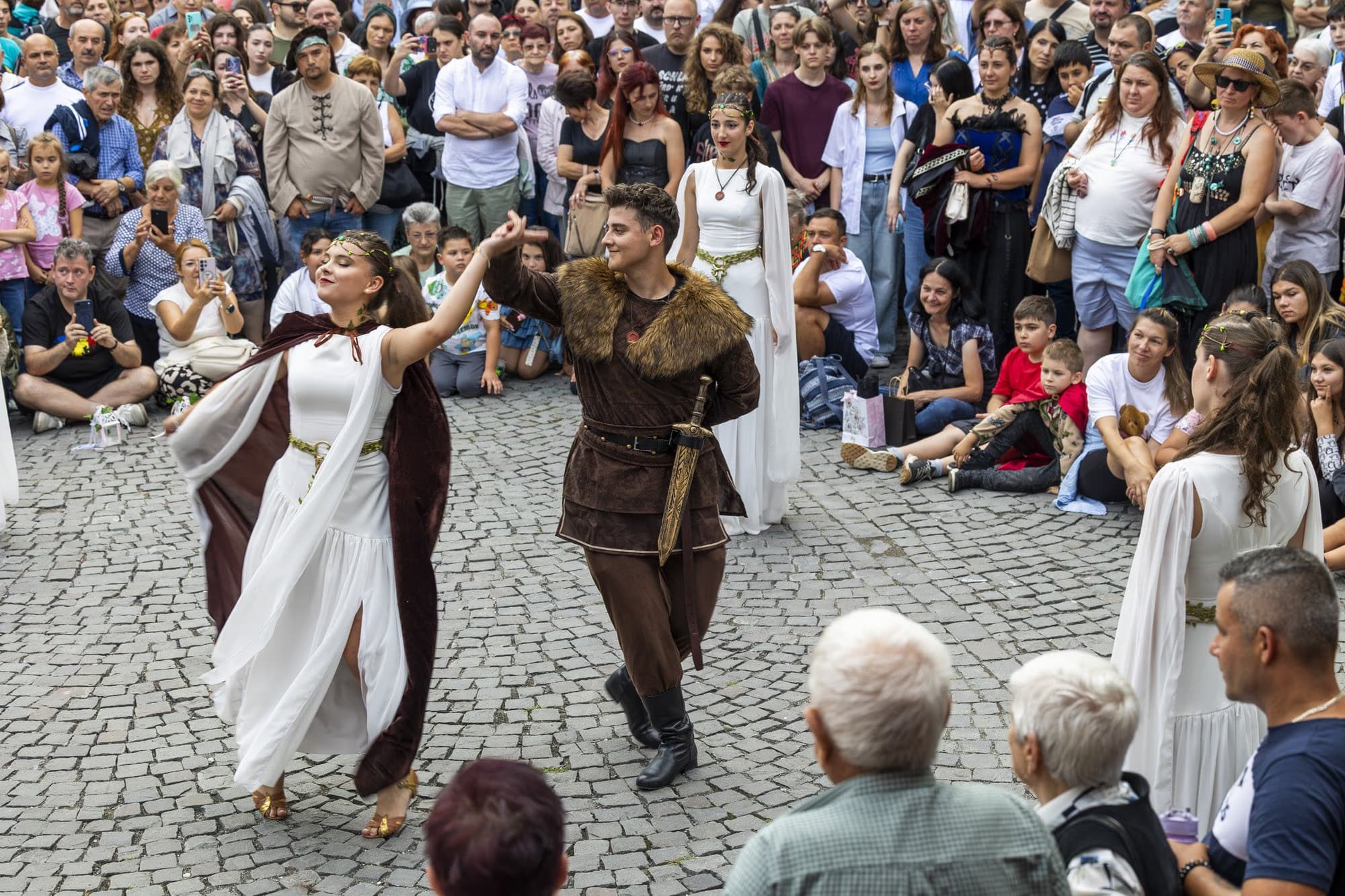
At 6.45 p.m., the maidens come down into the square: long white dresses, crowns of leaves, clay medallions at their throats. The medieval dance ensemble bears the name of this edition — Domnițele Sigiliului XXXI, the Maidens of the Seal — and is made up of teenage girls from Sighișoara who rehearse all year for the festival's three days. A torch-bearer with a fur collar opens their way through the crowd; on stage, a knight with a sword is the only patch of brown among the white dresses. And at the end, the hora opens up and takes in the audience: hands reach out, the circle grows, and the boundary between show and spectators vanishes altogether.
The Hungarian Knights, on White Horses
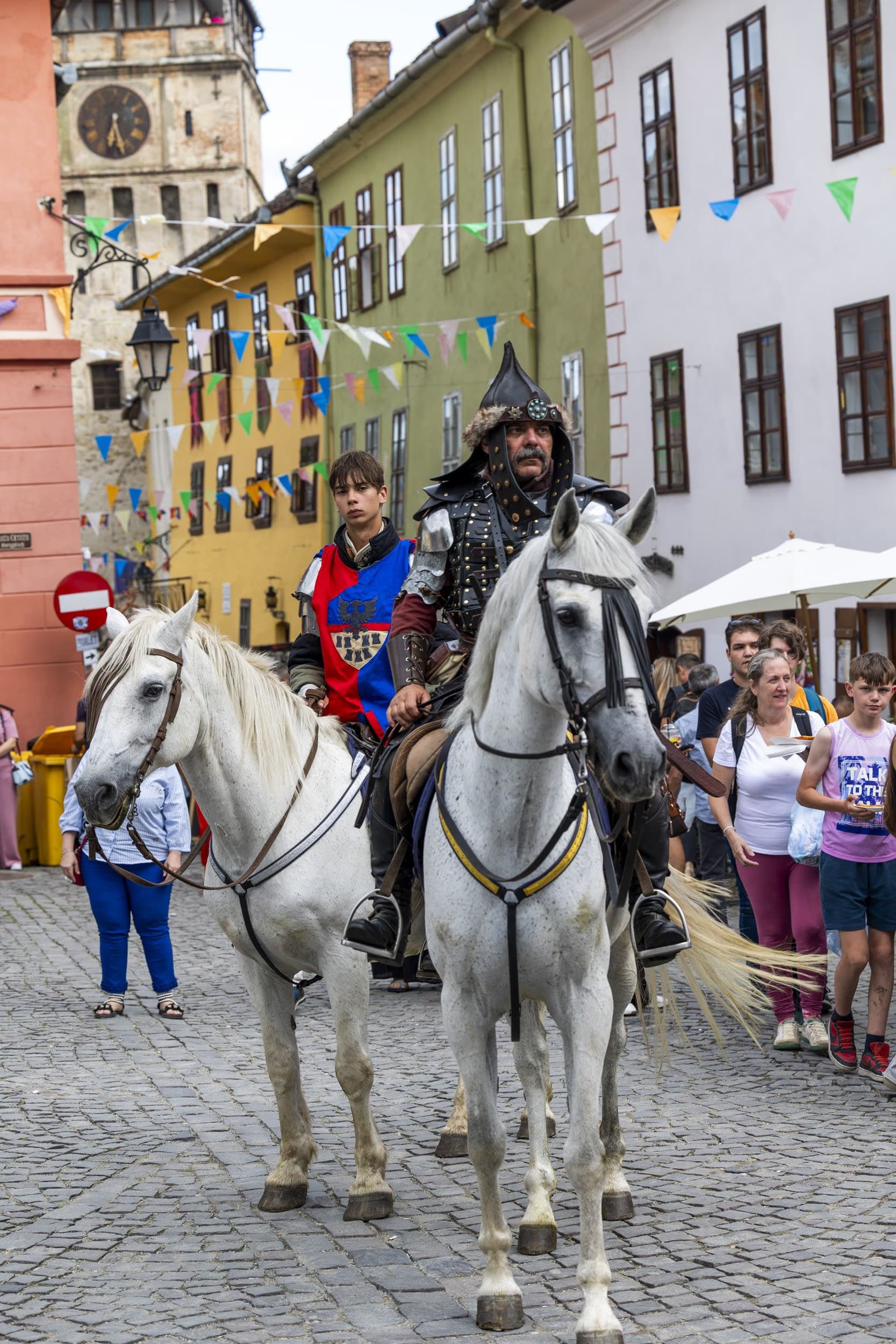
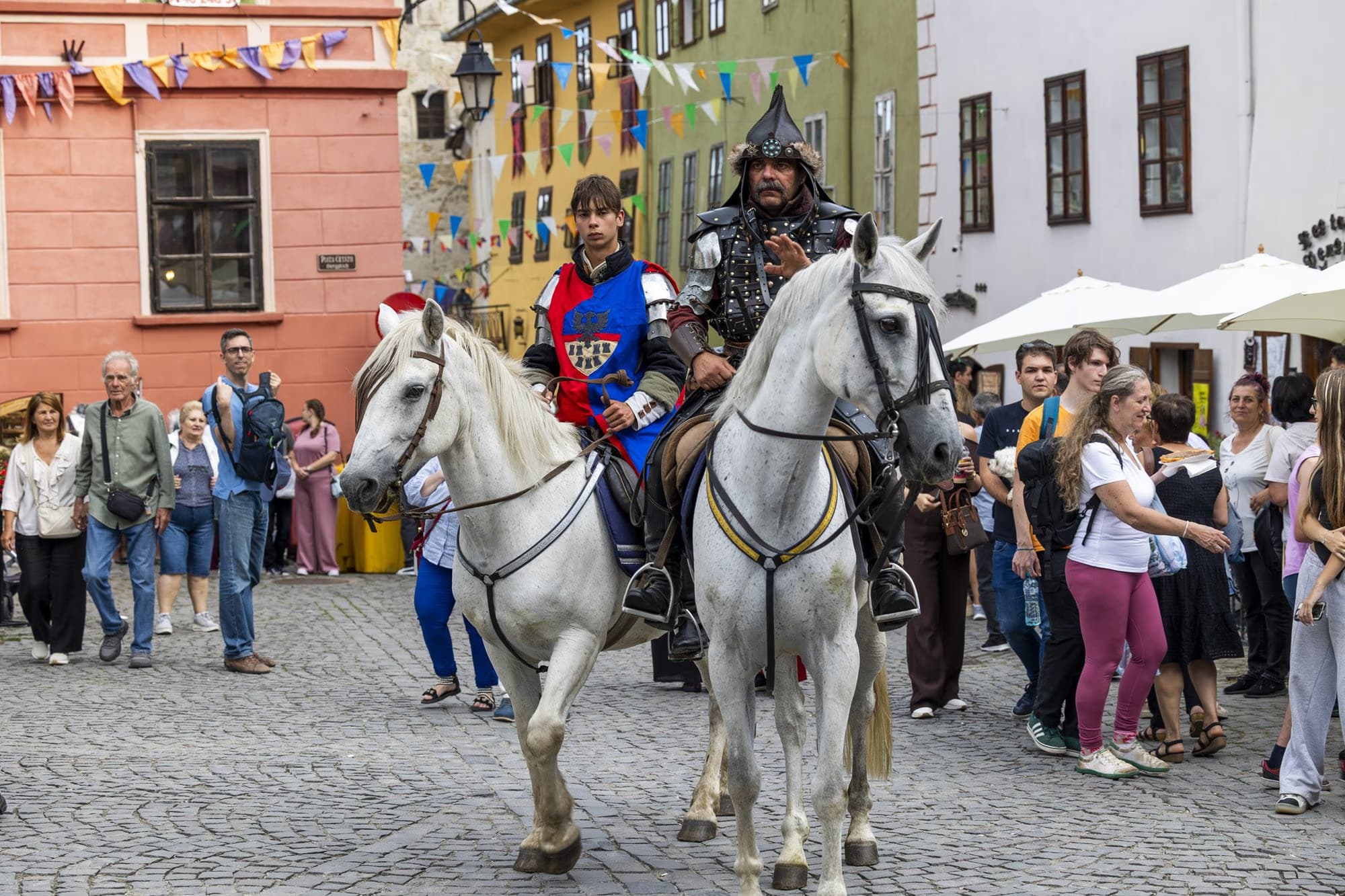
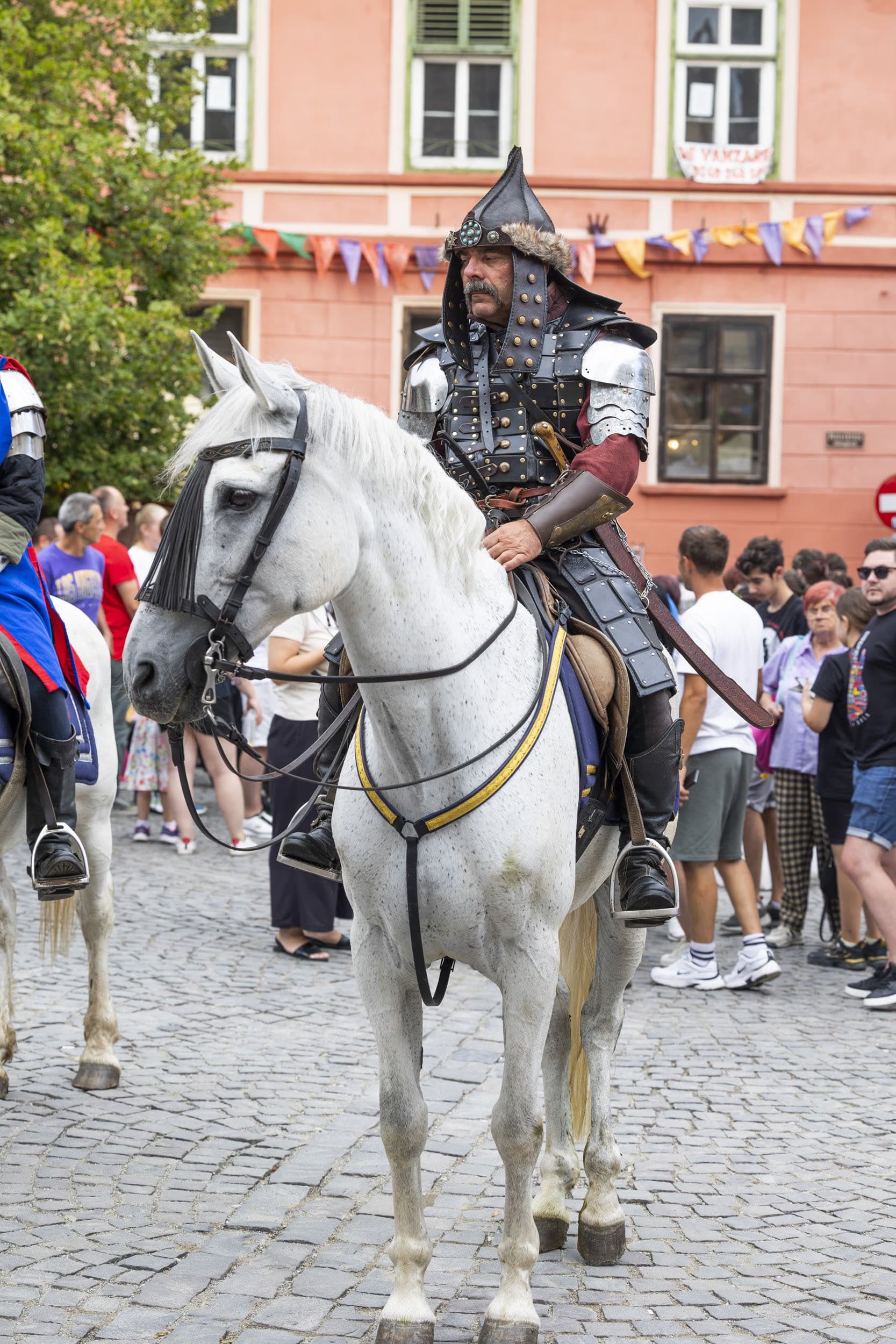
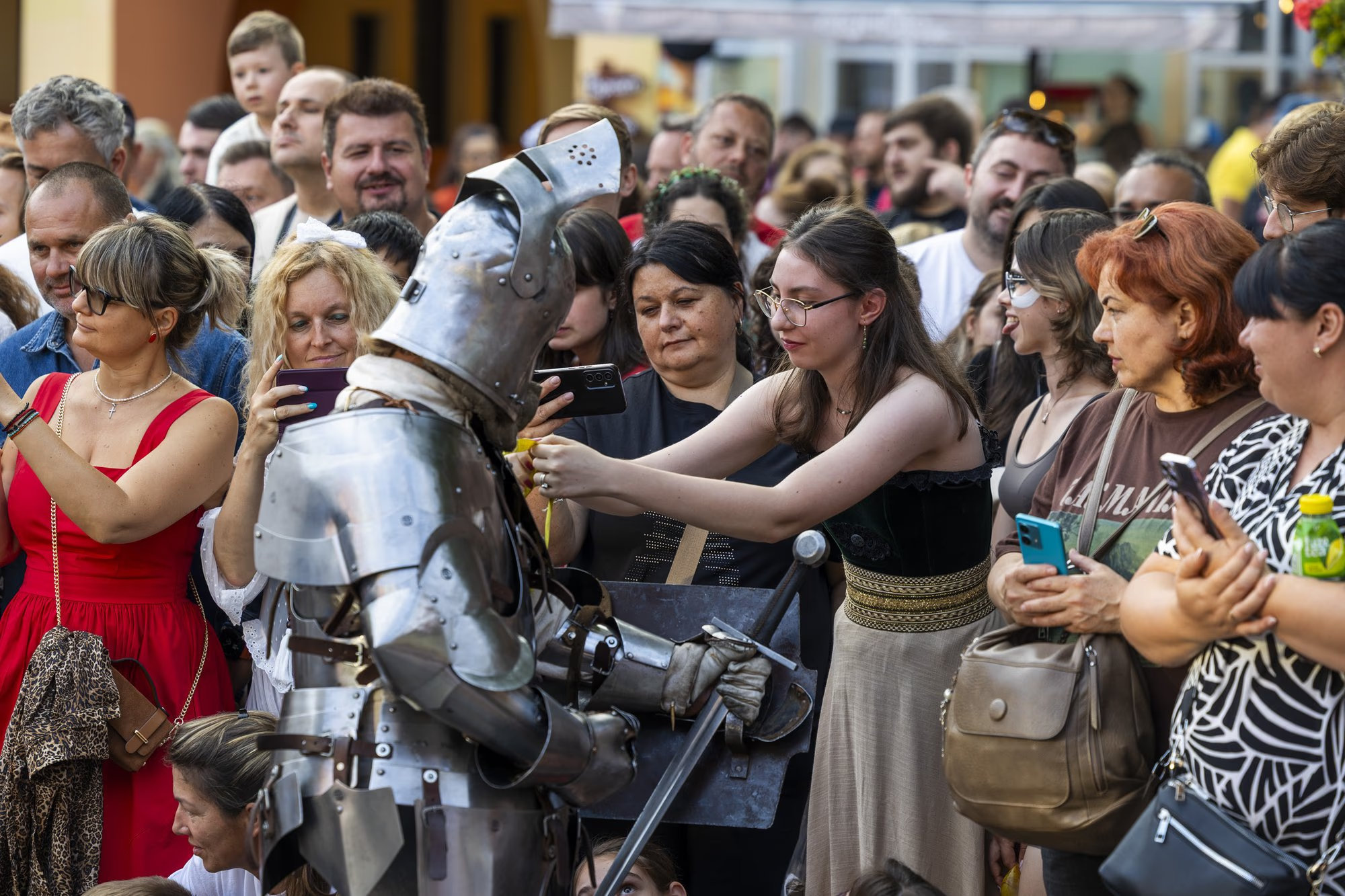
At 7 p.m., the crowd on the cobbled street parts of its own accord, with no one asking it to: the white horses are coming in. The historical traditions association of Debrecen — Debreceni Történelmi Korok Hagyományőrző Egyesület — has brought the Hungarian knights' tournament to Sighișoara: full armour, helmets with visors, blue-and-red tabards over chainmail. The horses step unruffled among hundreds of raised phones; the riders look out over the crowd, as befits men who see the square from a metre higher up. Full armour, at the end of a July day: respect.
Peregrinii and the "Court of Miracles"
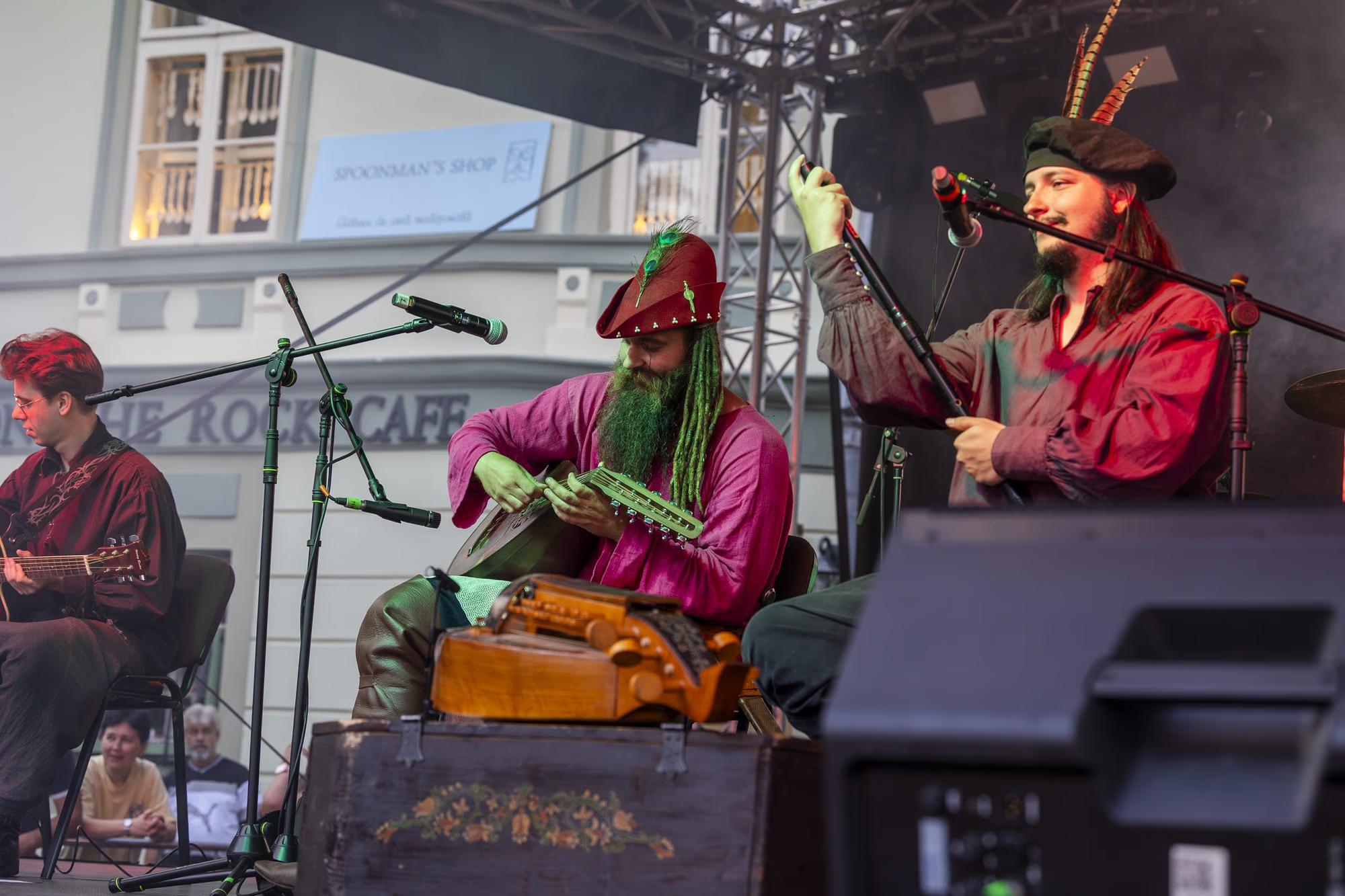
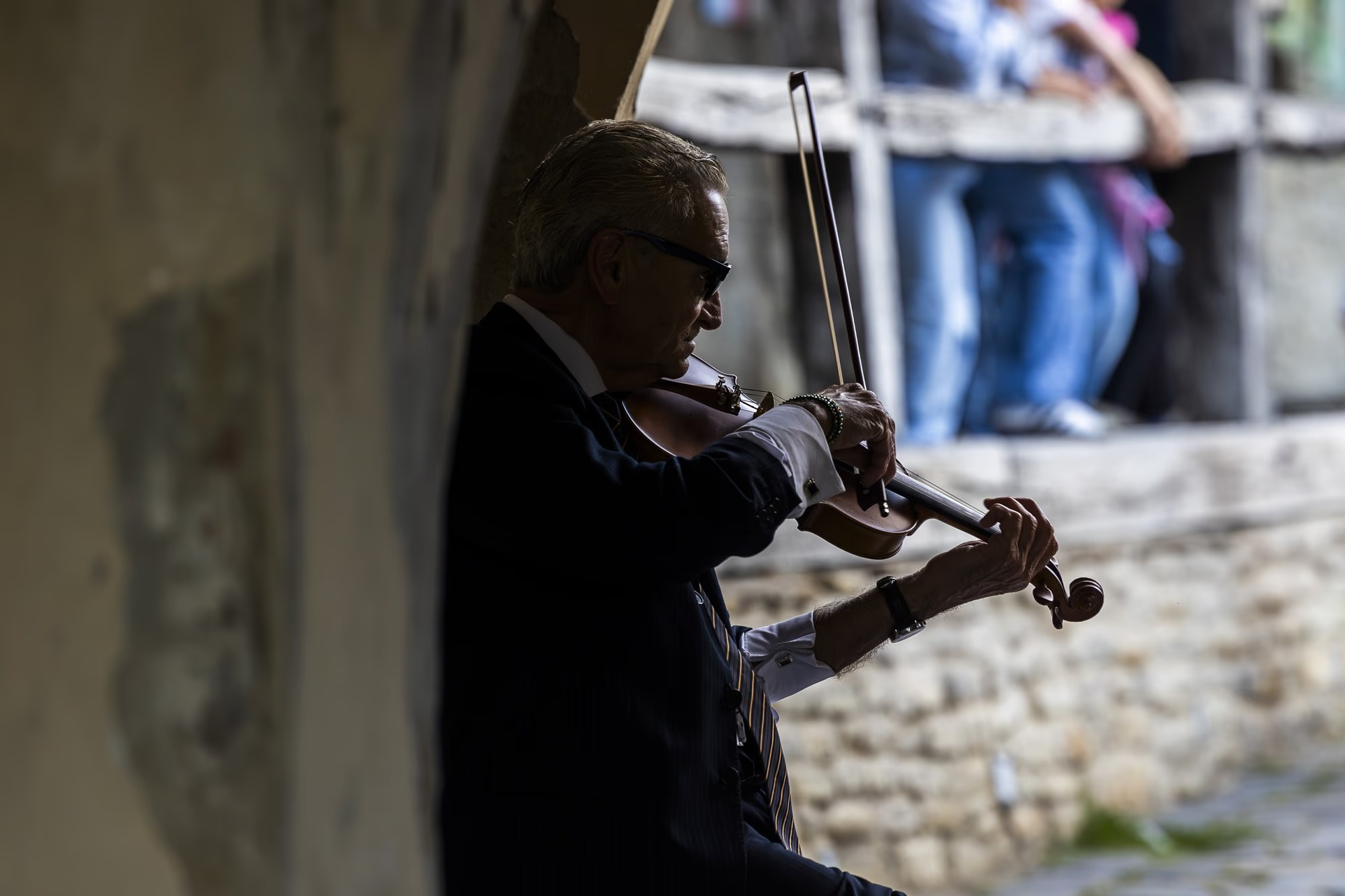
At 7.45 p.m., Peregrinii bring the "Court of Miracles" to the stage: red minstrel garb, double flutes, a hurdy-gurdy and instruments the audience photographs so they can look them up at home on the internet. It is early music played alive, without the museum patina; under a passageway, meanwhile, a violinist in a black suit takes advantage of the cathedral acoustics of the stone vault. For an hour, the whole Citadel becomes a sounding box.
"Nunta": Țăndărică, KEO and Alina Crișan
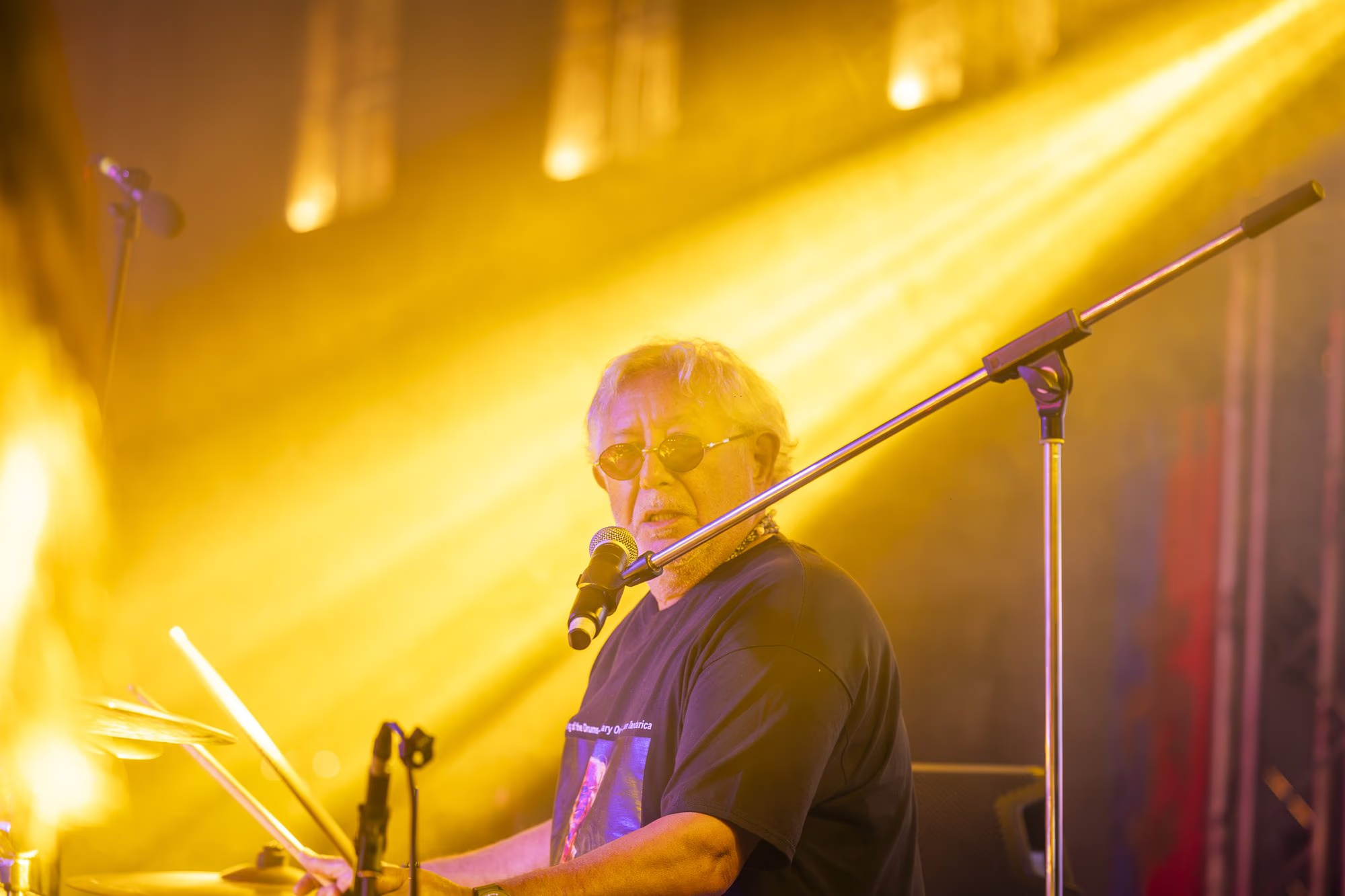
Since the afternoon, the signs had been visible on the stage in Citadel Square: a set of white drums, sound checks, a gentleman in a black cap and reddish glasses checking his kit with the ease of a man who has been doing this for half a century. At 9 p.m., the confirmation: Ovidiu Lipan Țăndărică — Phoenix's legendary percussionist — takes the stage alongside KEO and Alina Crișan, and the square, packed to the last row of steps, takes out its phones.
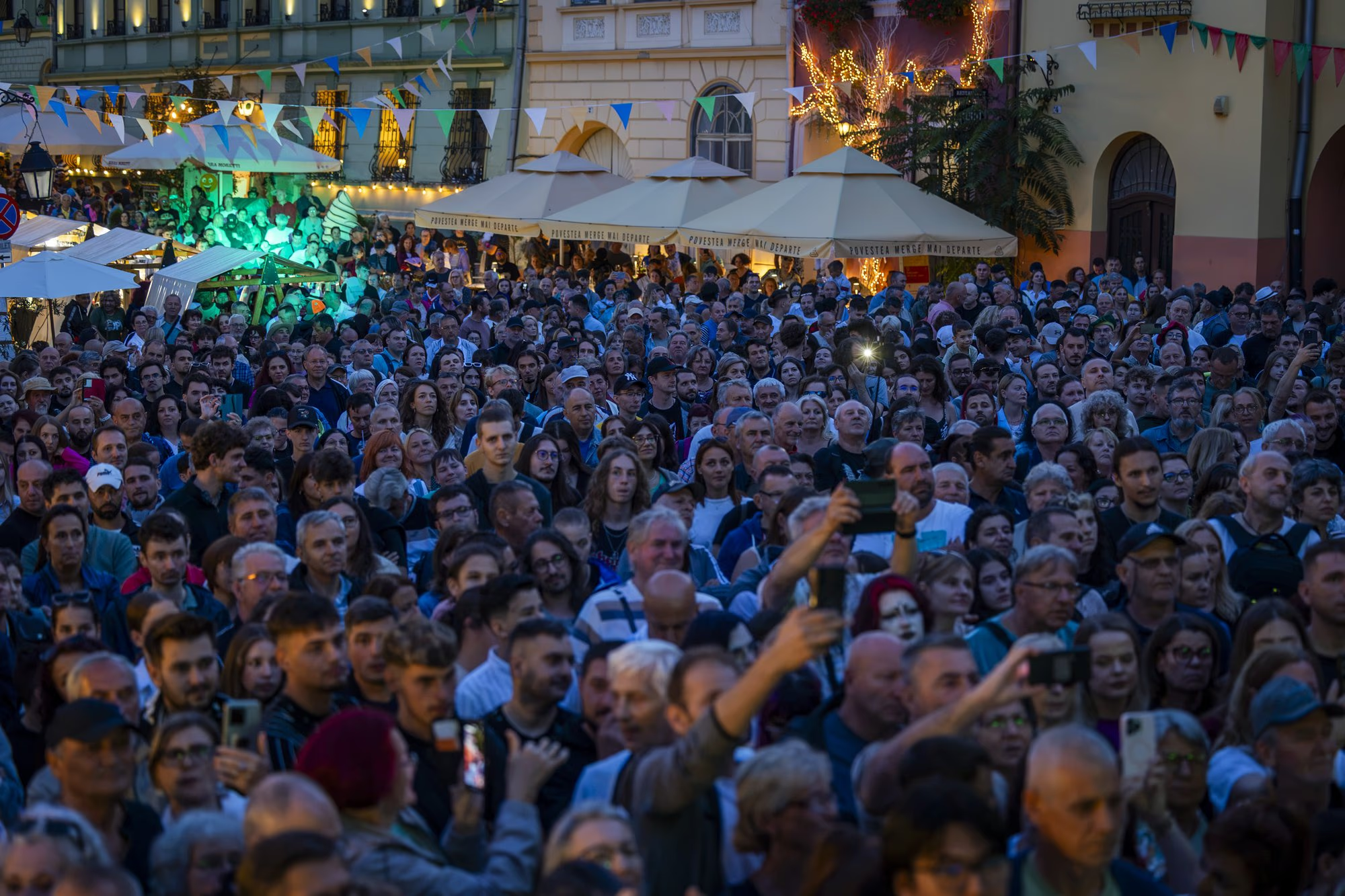
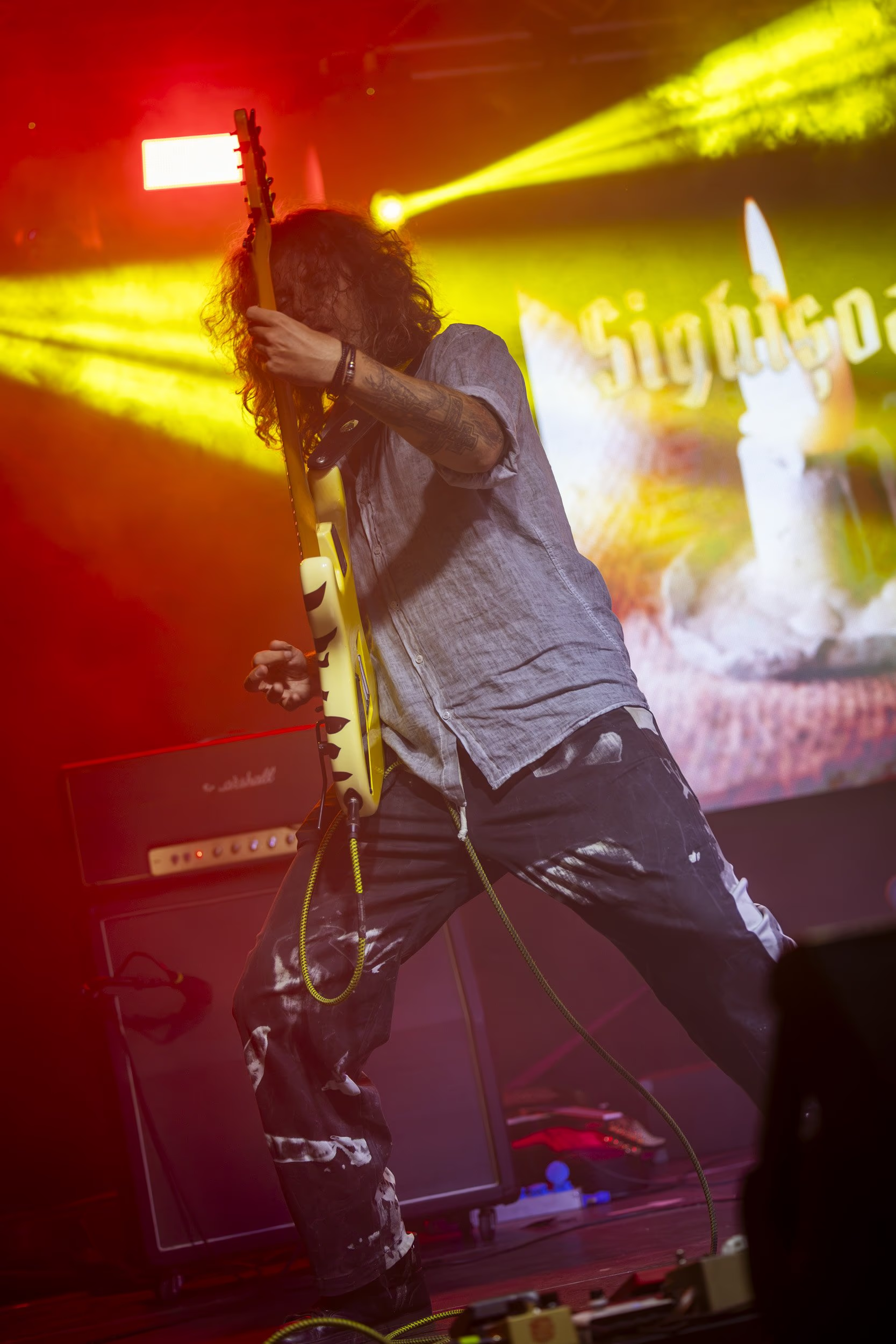
The centrepiece of the concert is "Nunta" ("The Wedding") — Phoenix's emblematic song, recently relaunched in a remake produced by KEO, with Alina Crișan's voice and Țăndărică as special guest, vocals included. The production keeps the force of the original song and gives it a contemporary sound; on stage in Sighișoara, the formula works exactly as promised: KEO and Alina share the choruses, the guitarist marches a yellow-and-black striped guitar through the light beams, the keyboardist holds the harmonic canvas, and Țăndărică — black T-shirt, broad smile — ties it all together from the drums, a living bridge between Phoenix's history and the generation in front of the stage.



The End of the World, with Fire
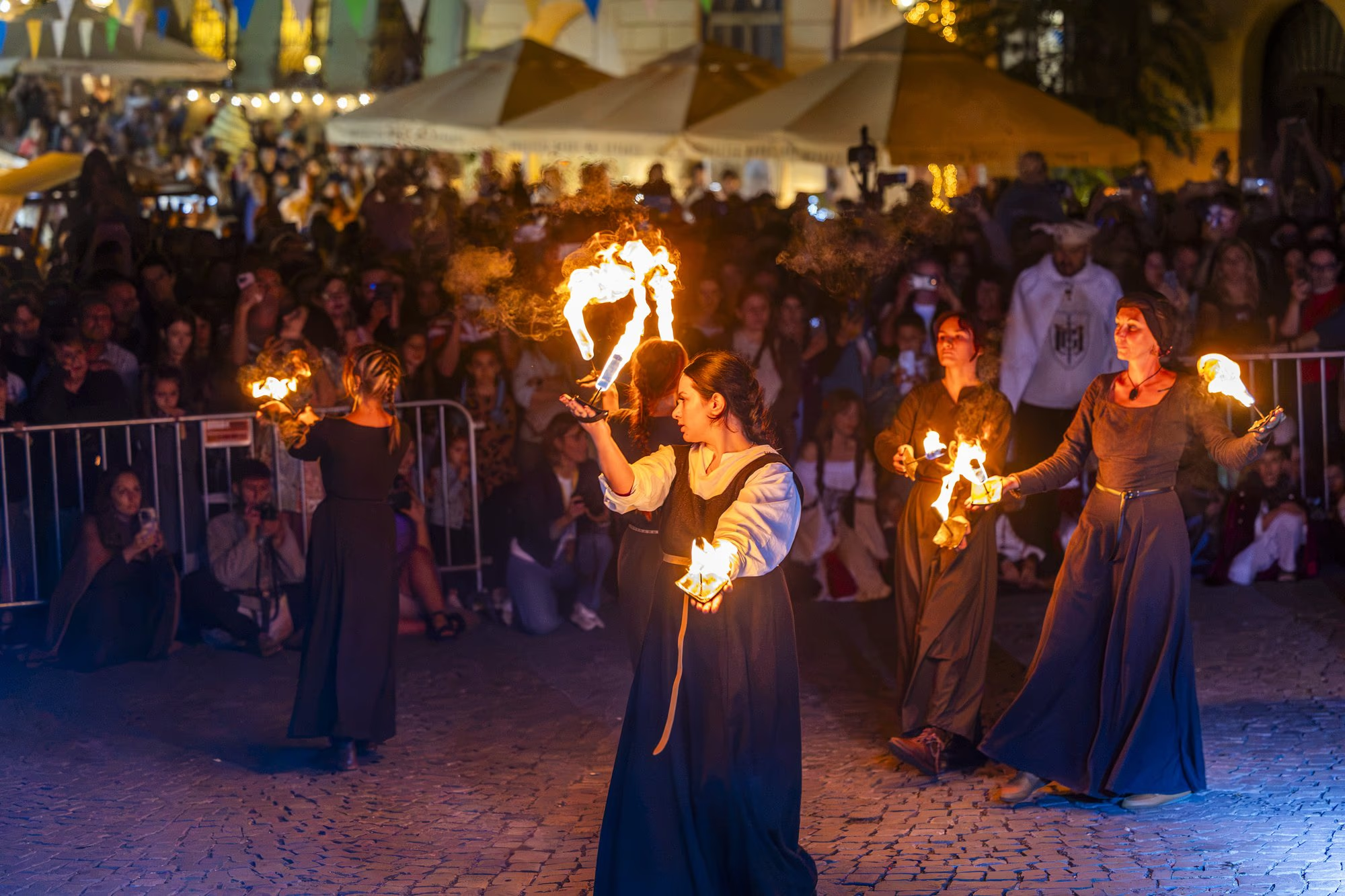
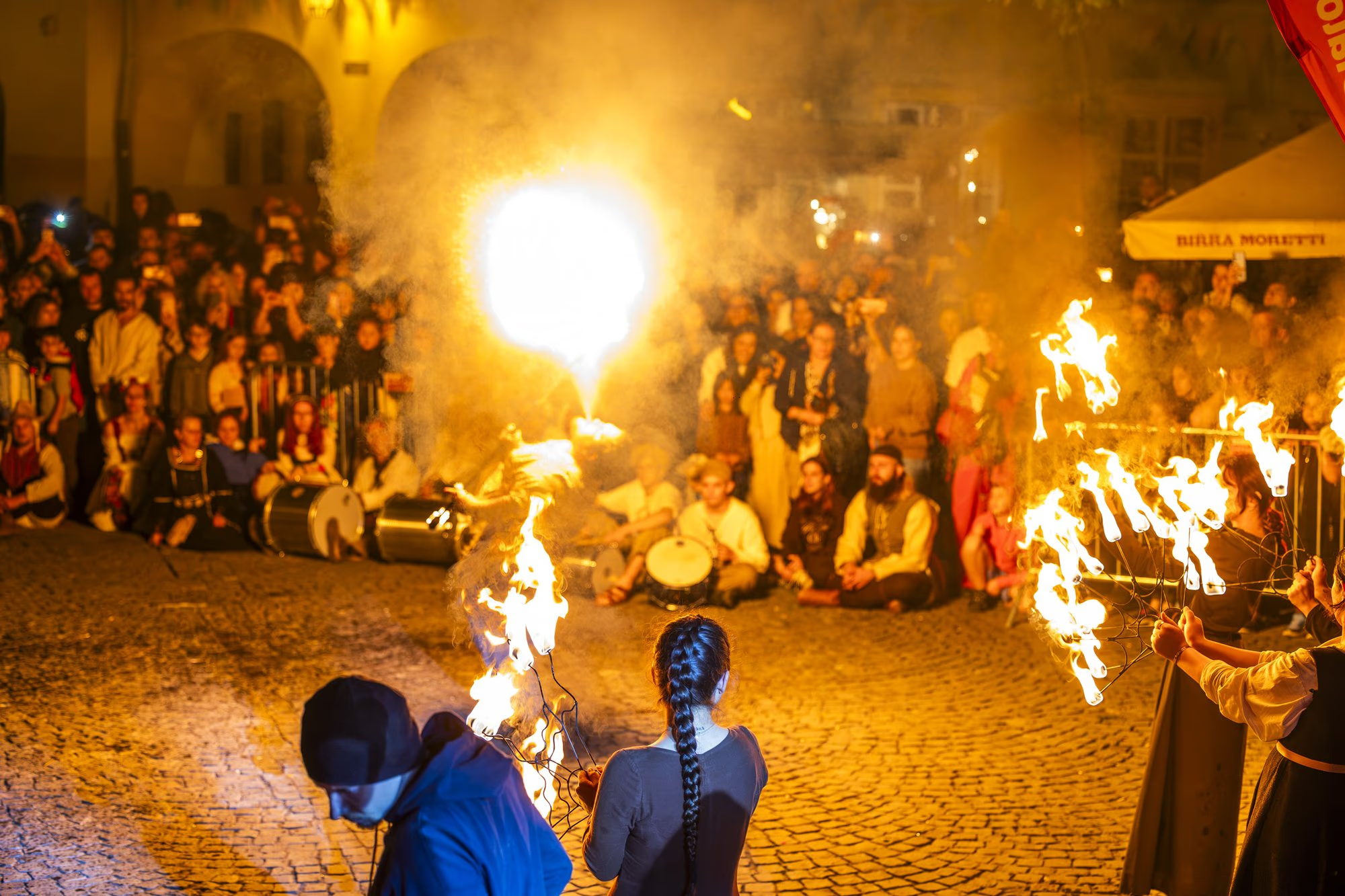
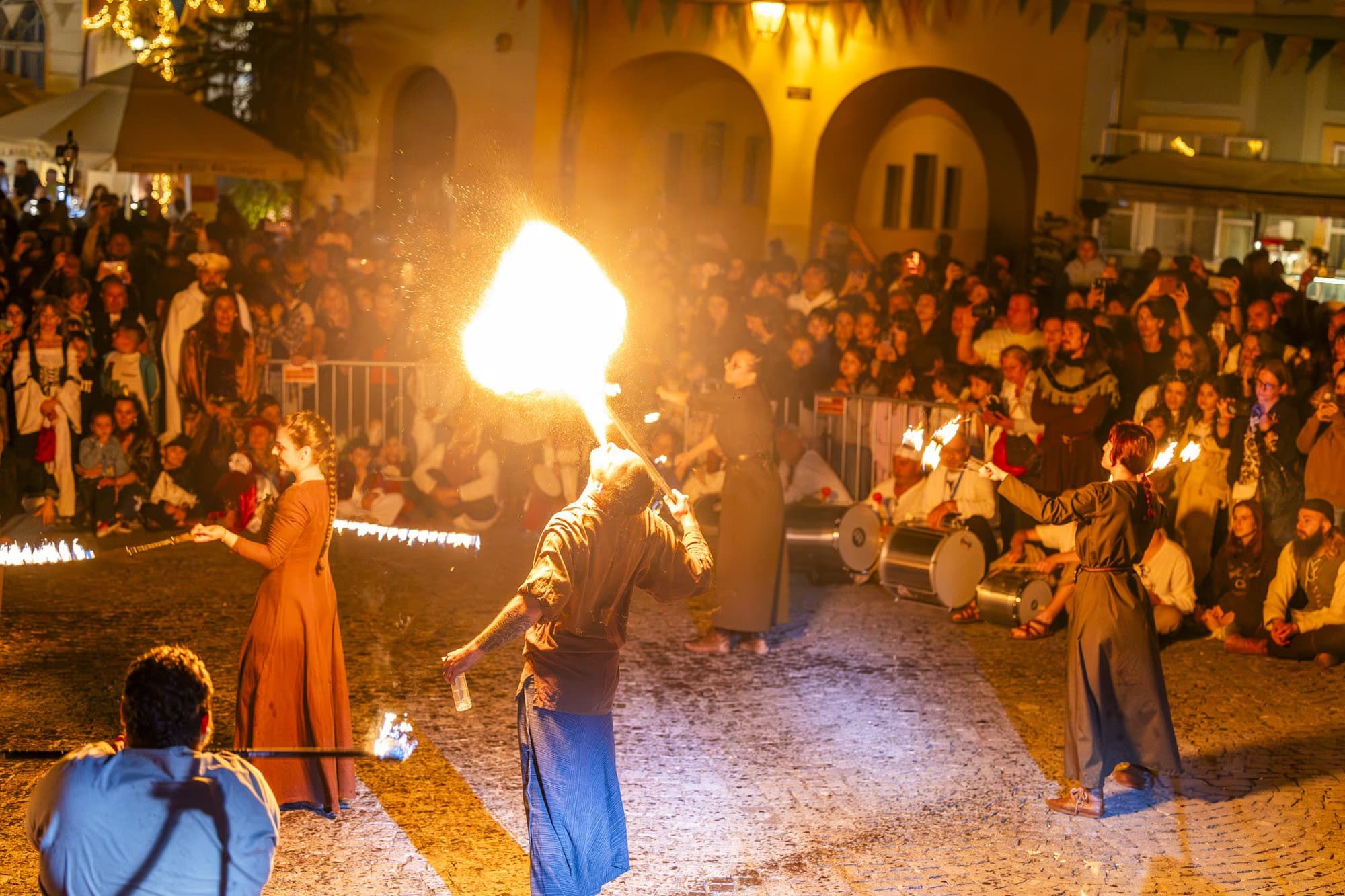
At 9.45 p.m., the lights go out and Citadel Square enters "The End of the World" — the fire show of the United Guilds and the Dragon's Company, from the "Shadows and Flames" series. Dancers in long woollen dresses carry lit torches a hand's breadth from the fabric; the flames draw circles and figures of eight in the air, and the paraffin-scented smoke settles over the audience like stage fog. The climax: the fire-eater turns the flame skyward and hurls a ball of fire the size of a hot-air balloon — the moment that draws the longest "aaah" of the evening. The audience, sitting cross-legged on cobbles still hot from the day, forgets about phones. Almost.
When the last torches go out, the Citadel is left in lantern light and the smell of sweetish smoke. On Sunday the programme starts all over again — but Saturday, the busiest day, closed as befits a festival that has reached its 31st edition: with fire, with drums, with a Phoenix song brought home to a new generation, and with a whole town that, for a few hours, forgot what century it was outside.