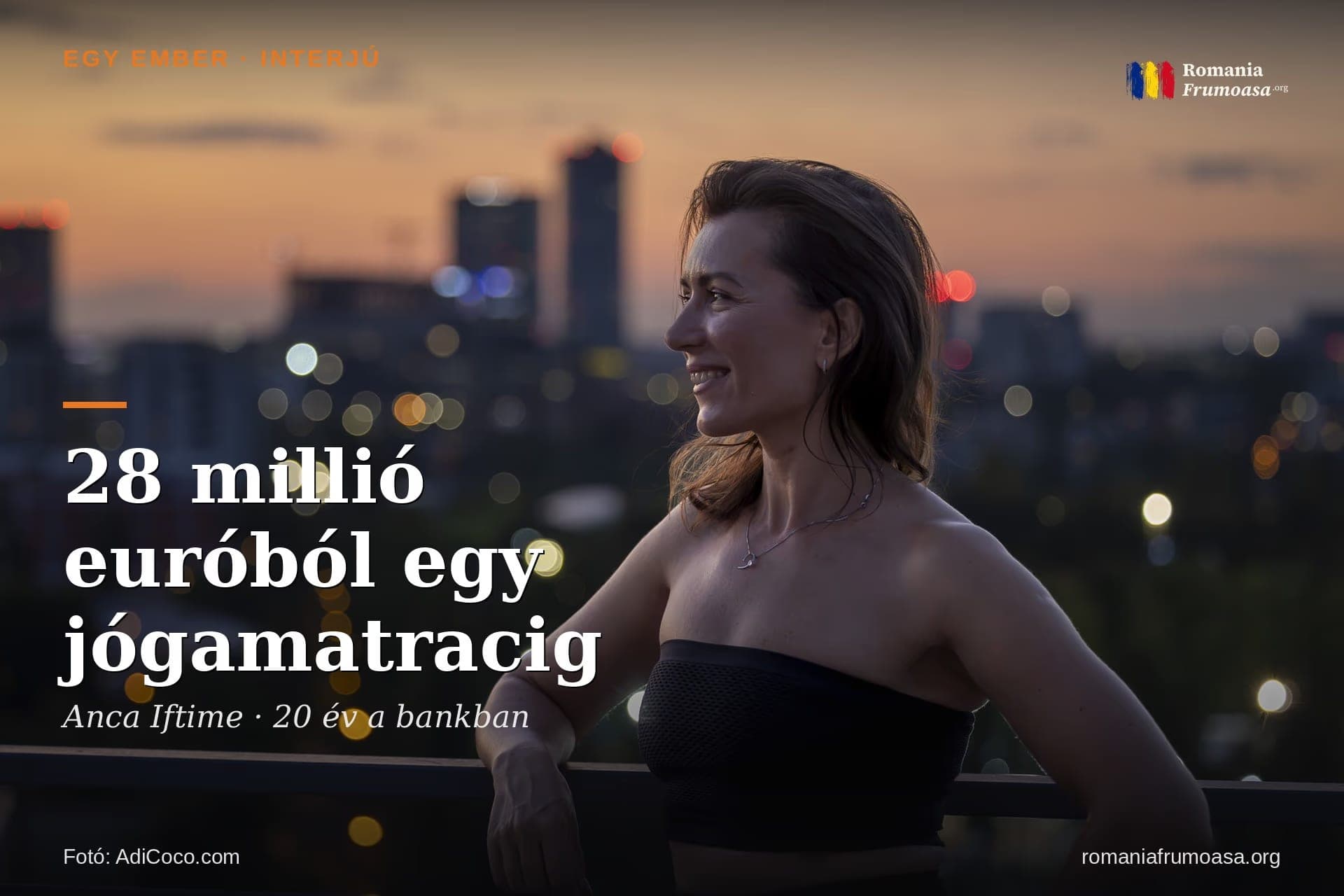
On her last day at the bank, Anca Iftime spent the whole day on the phone. She had around three hundred clients in her portfolio and she did not want to leave through an email telling them that from Monday they would have a different portfolio manager. She called every one of them.
The next day she came back to the office, her contract already terminated, to collect her things. The cardboard box from American films did not happen.
„Except I didn't have a box, I had a plastic bag," she says. „With a few photographs, with all sorts of documents you accumulate at a desk […], postcards, course certificates…"
She had never kept family photos there. She took her diplomas. „The courses, a great many courses, yes, and the tears I was trying to swallow, quietly."
It was October 2024, and behind her lay twenty years and five months in banking — from a teller's window in Covasna County to clients with fortunes in the millions of euros. Ahead of her, nothing certain: a yoga teacher training she had paid for herself, and savings for six months.
For a full year afterwards she went on opening Bloomberg. And Reuters. „The habits you pick up over 20 years somehow stay with you a little, even after you leave the system."
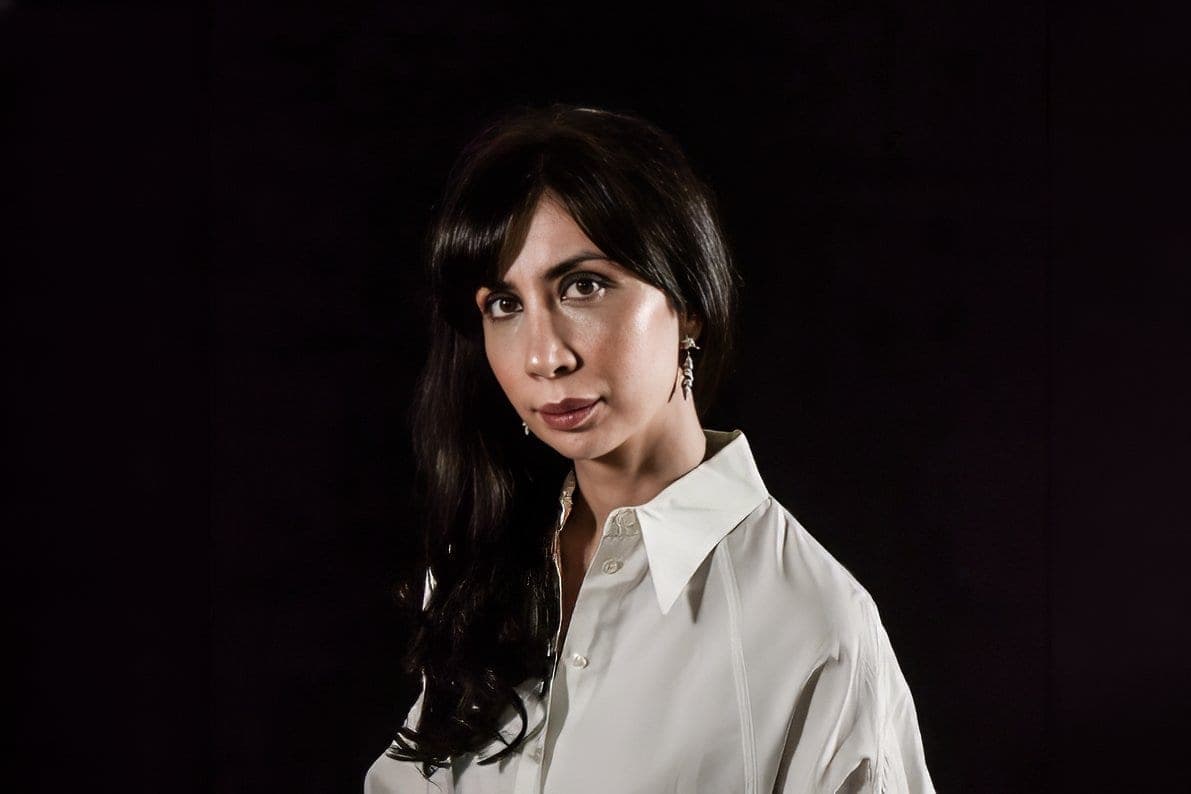
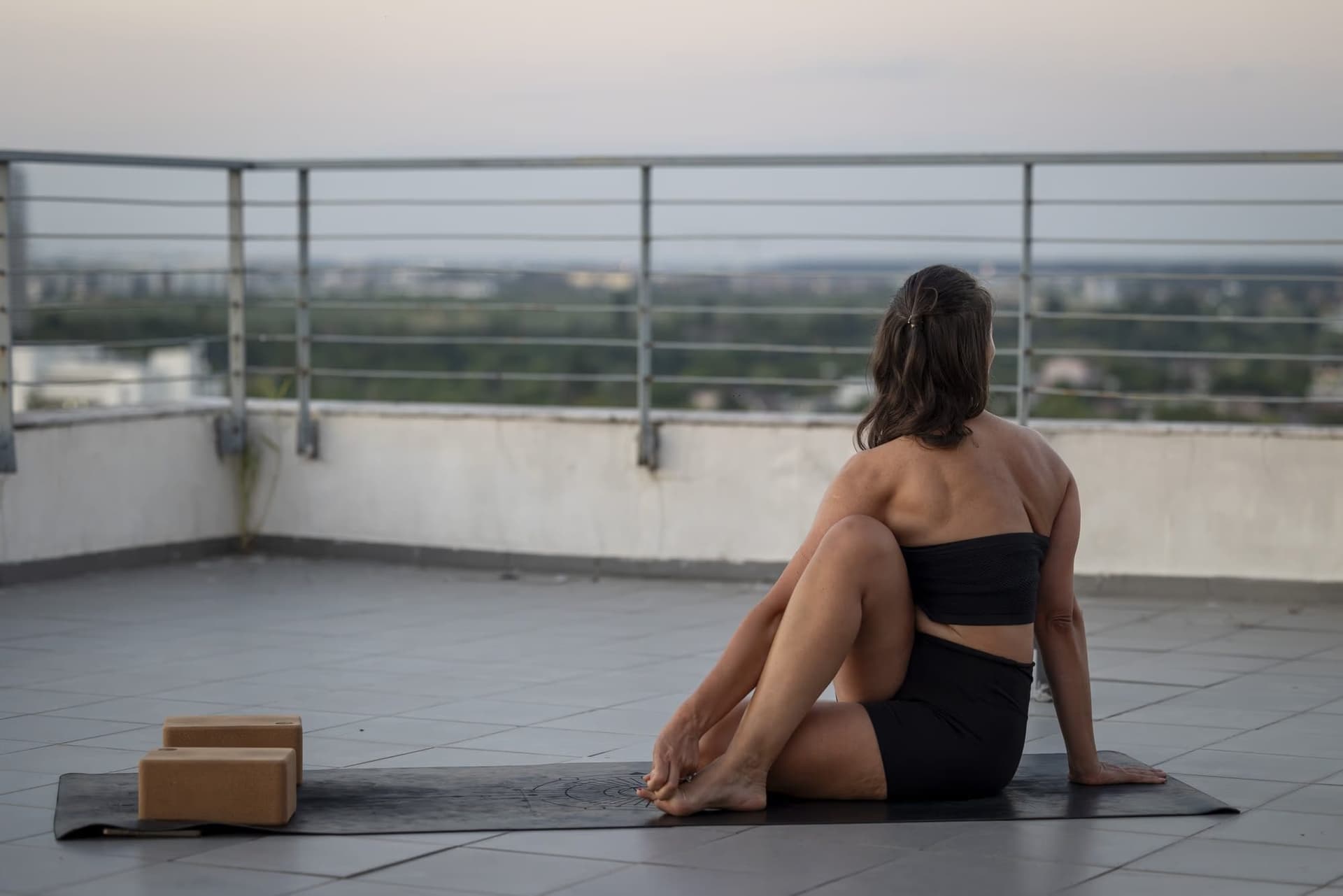
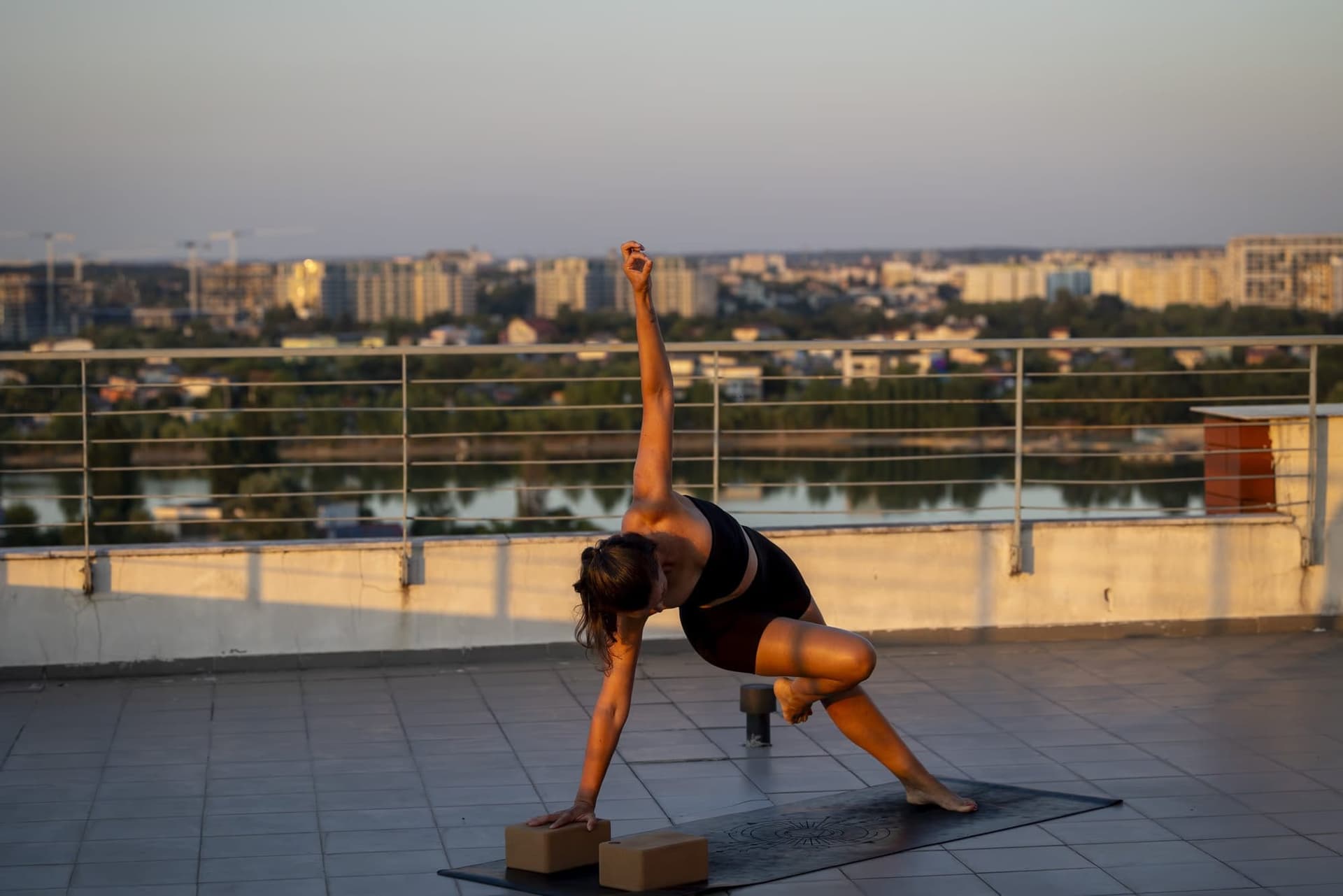
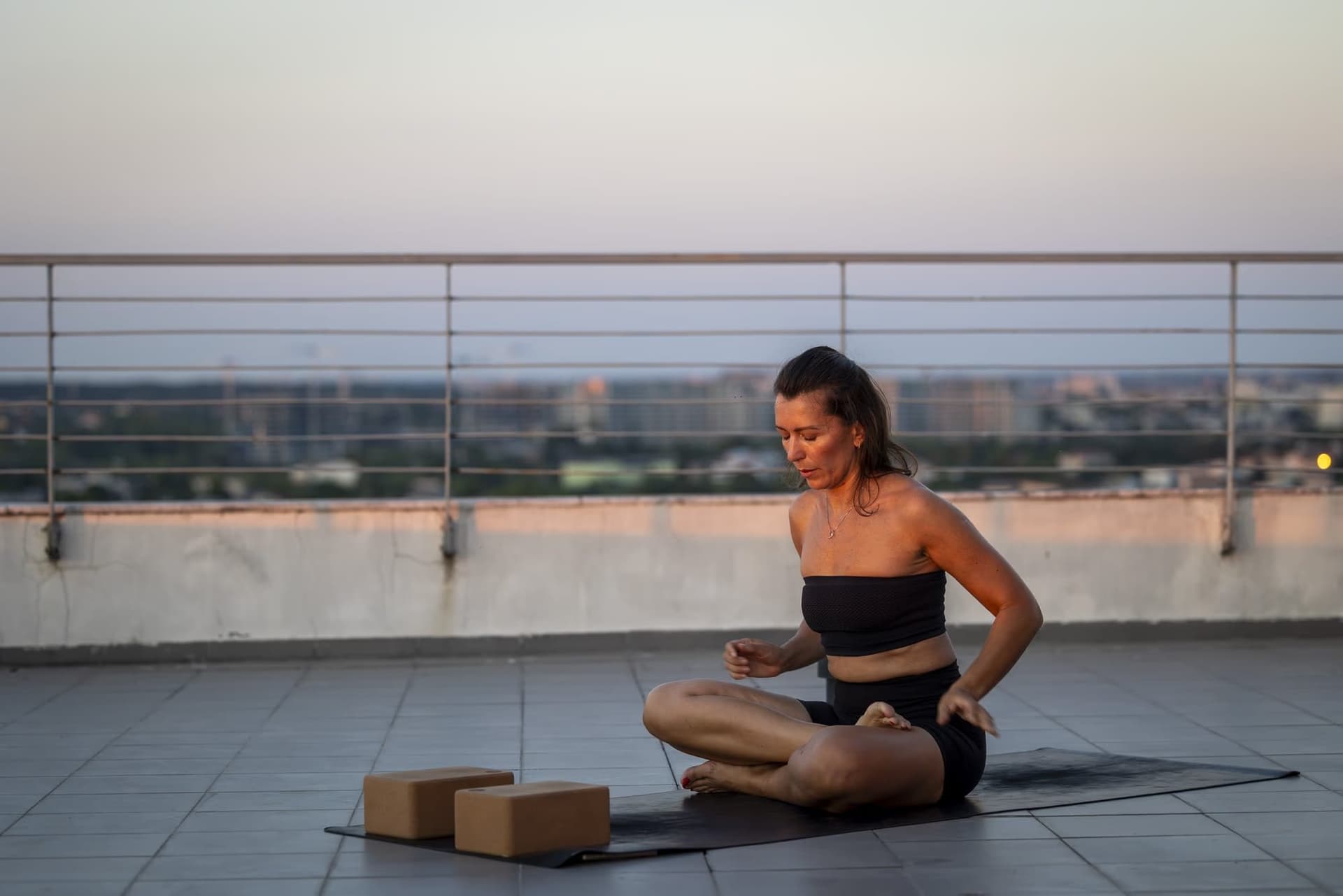
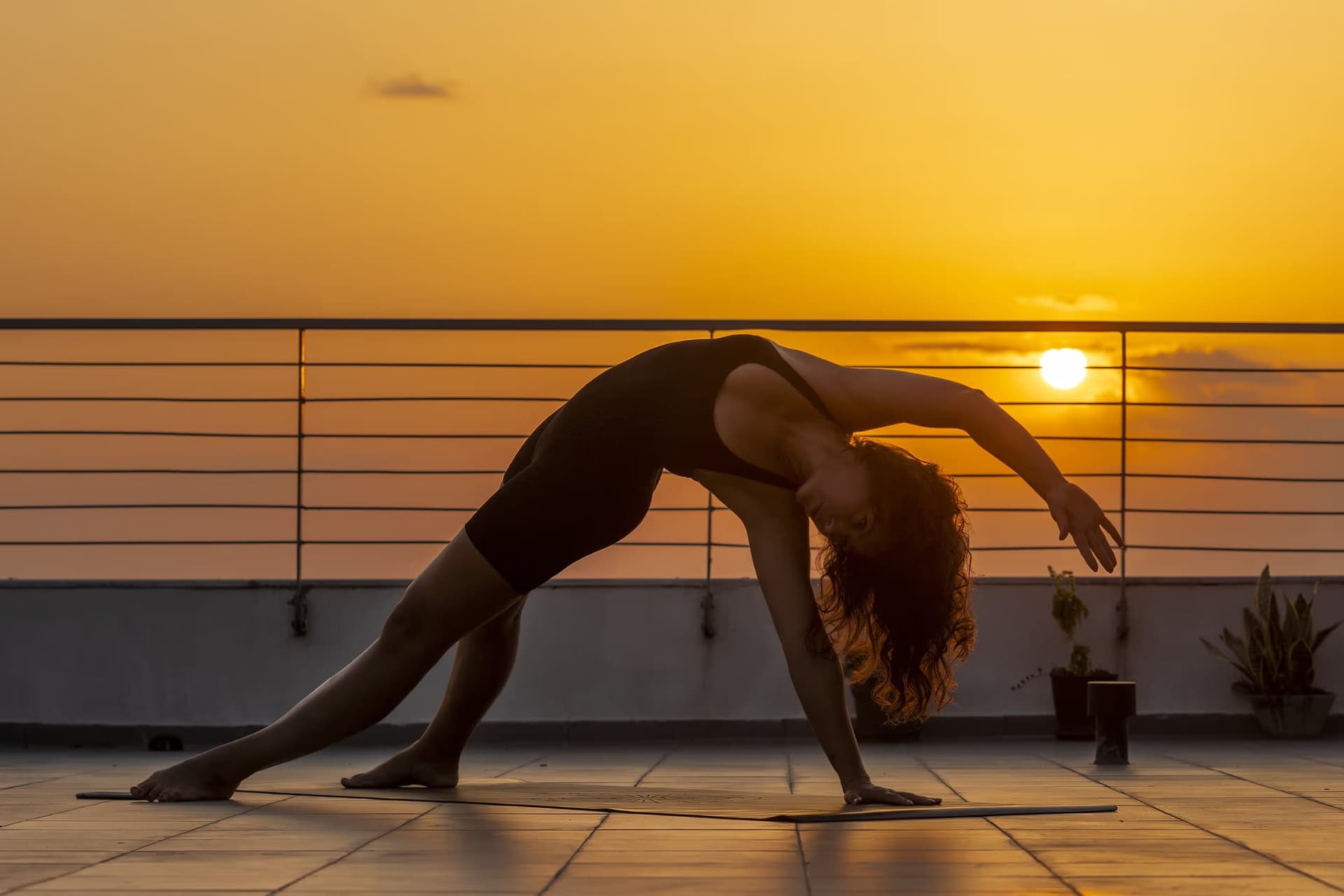
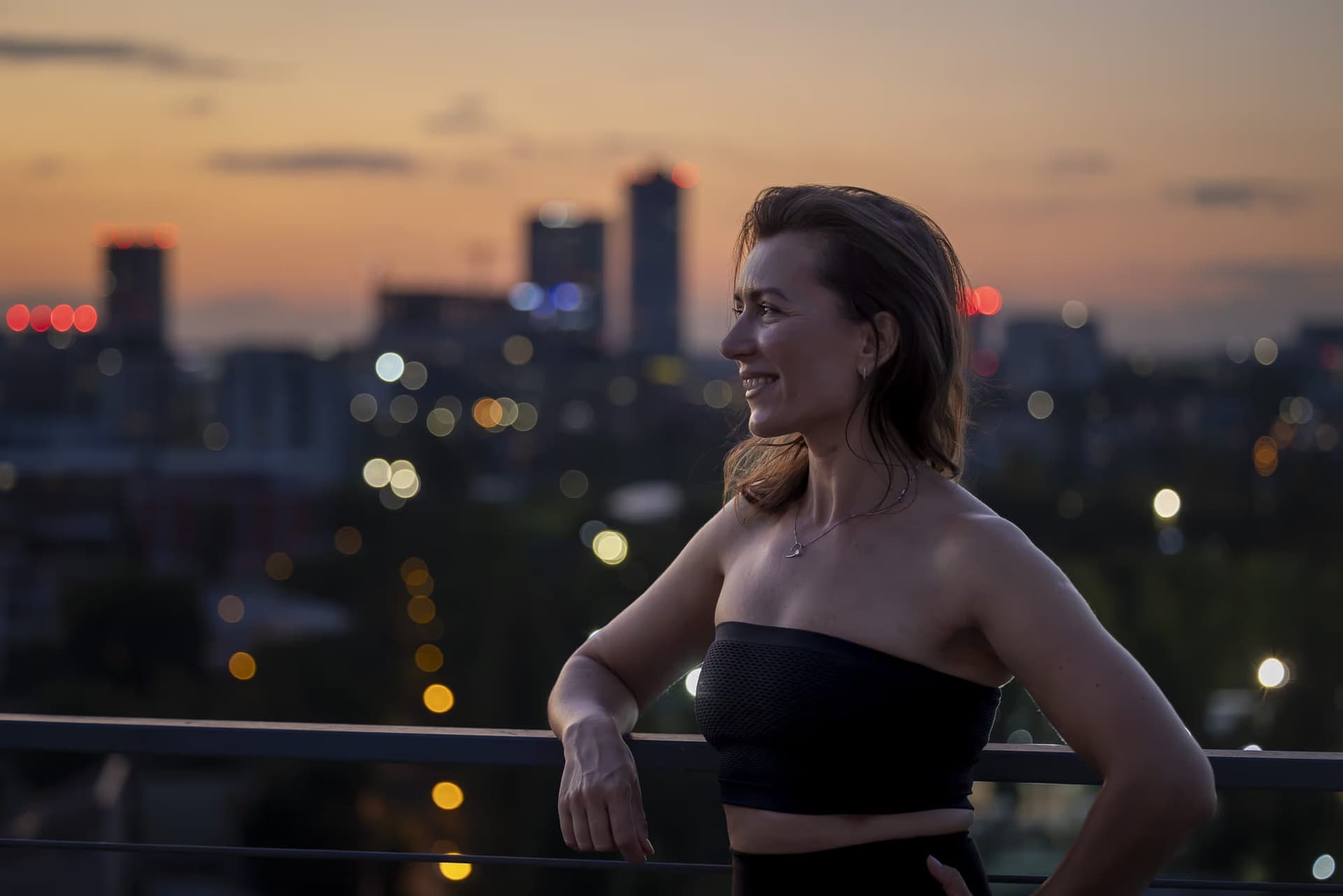
Two years later, on the roof of an apartment block in northern Bucharest, on an August evening, she is teaching a class with nobody present. Her students are online, on the other side of a screen.
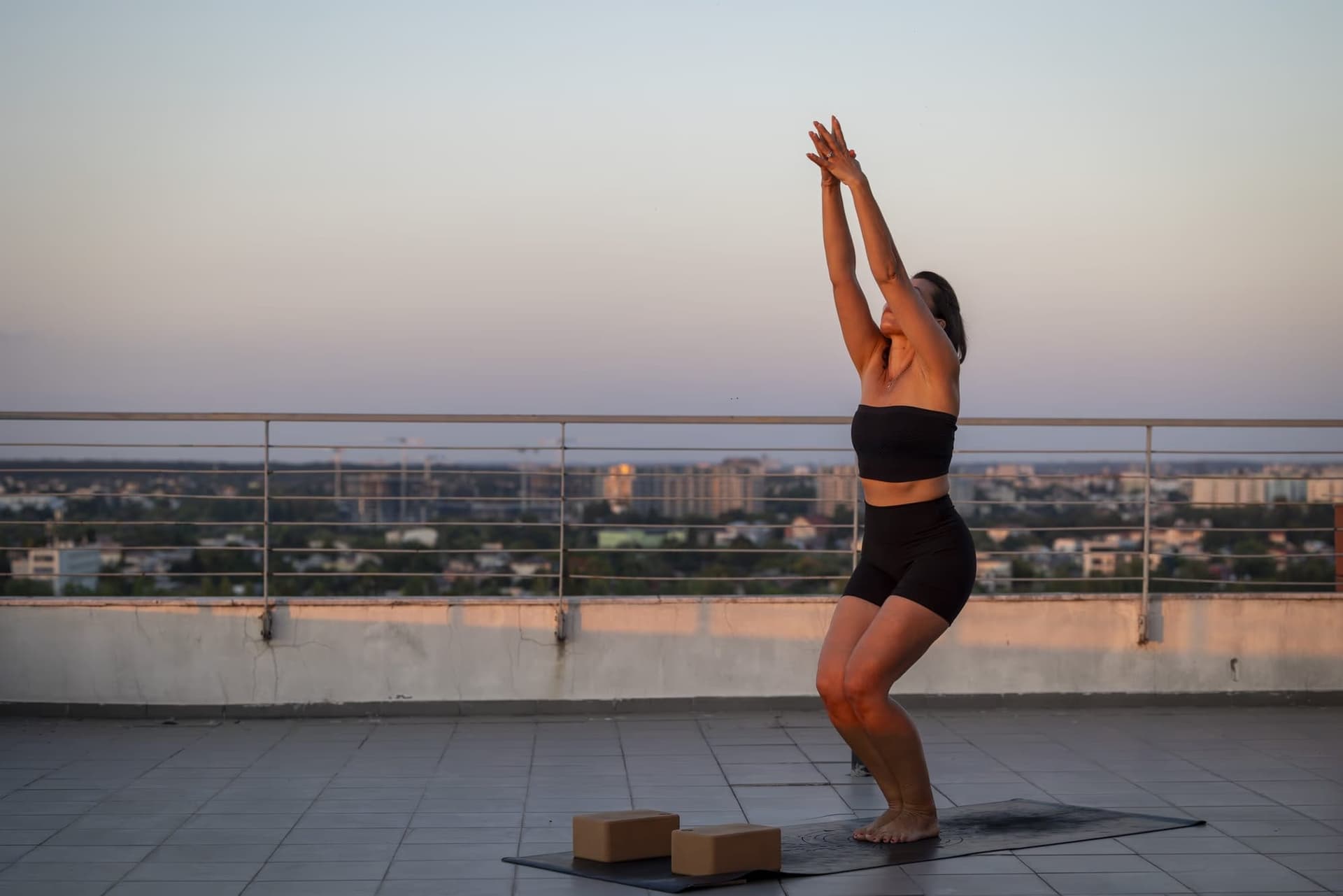
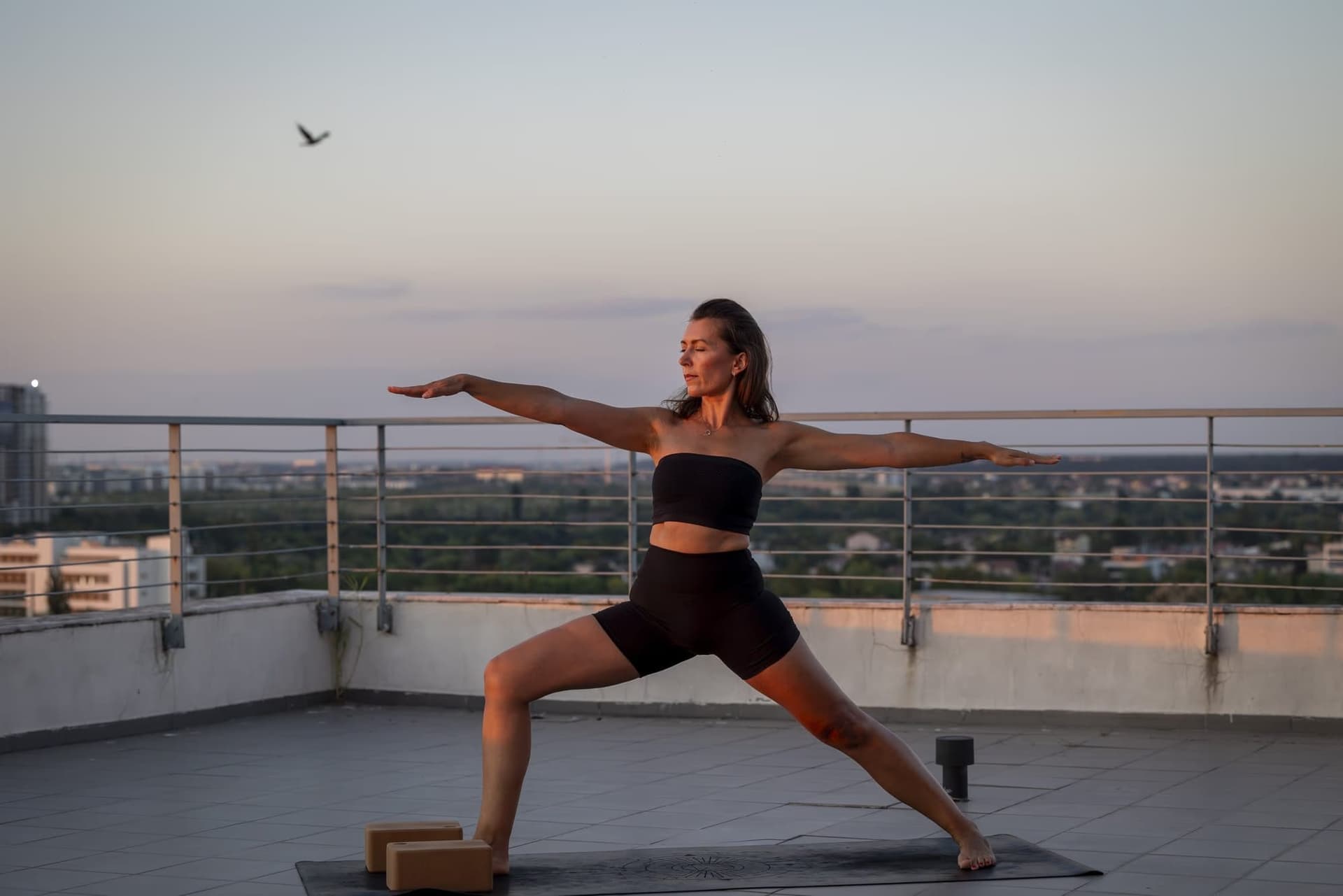
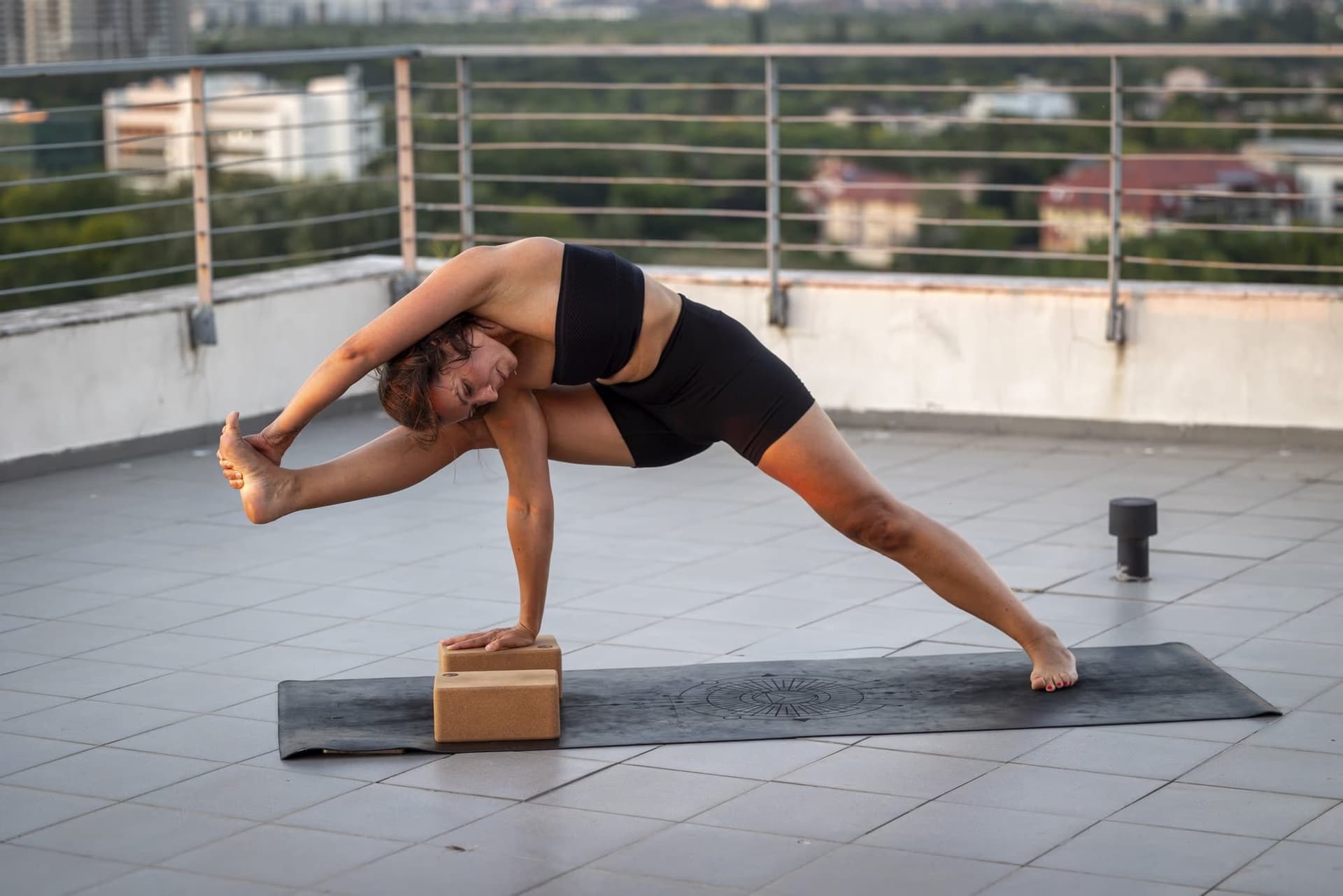
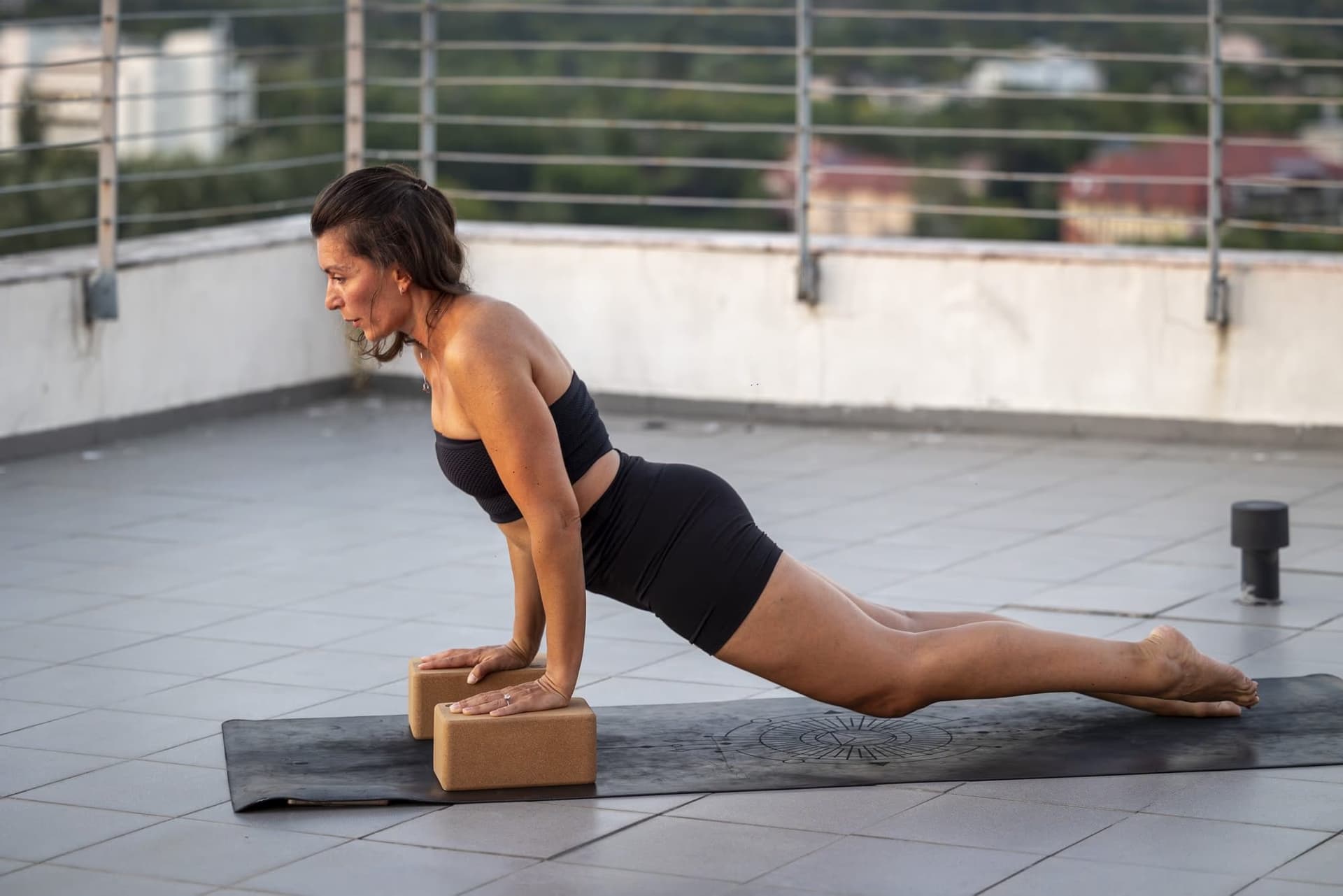
I stepped slowly, barefoot, onto the warm concrete of the roof. I did not want to be heard in the class. The silence was deep — far from the noise of the city, every now and then a gull cried. Anca, on her mat, her phone on a tripod, went on with the lesson, calling out the movements.
A woman alone on the top floor, while the lights of the city come on.
The financial educator
The job she left in that plastic bag is called private banking, and in Romania very few people know what it involves in practice. A private banker is handed a portfolio of clients who each hold „over 250,000 euros" in their accounts, she says, and has to explain to them what they can do with the money.
Not a hunter of opportunities, she corrects. „It's more of an educator. A financial educator."
Her clients are, as she describes them, largely entrepreneurs — people who are very good at their business and entirely unprepared for the day the business succeeds. „Nobody starting a business asks themselves this question: «But what am I going to do when I have 300,000 euros in the account?» No. And when it actually happens, they're a little emotional. Literally: «So now what do I do?»"
The job is, for the rest, listening. „You keep quiet and you listen. And you listen and you listen and you listen. Because it's out of that listening that all the opportunities come."
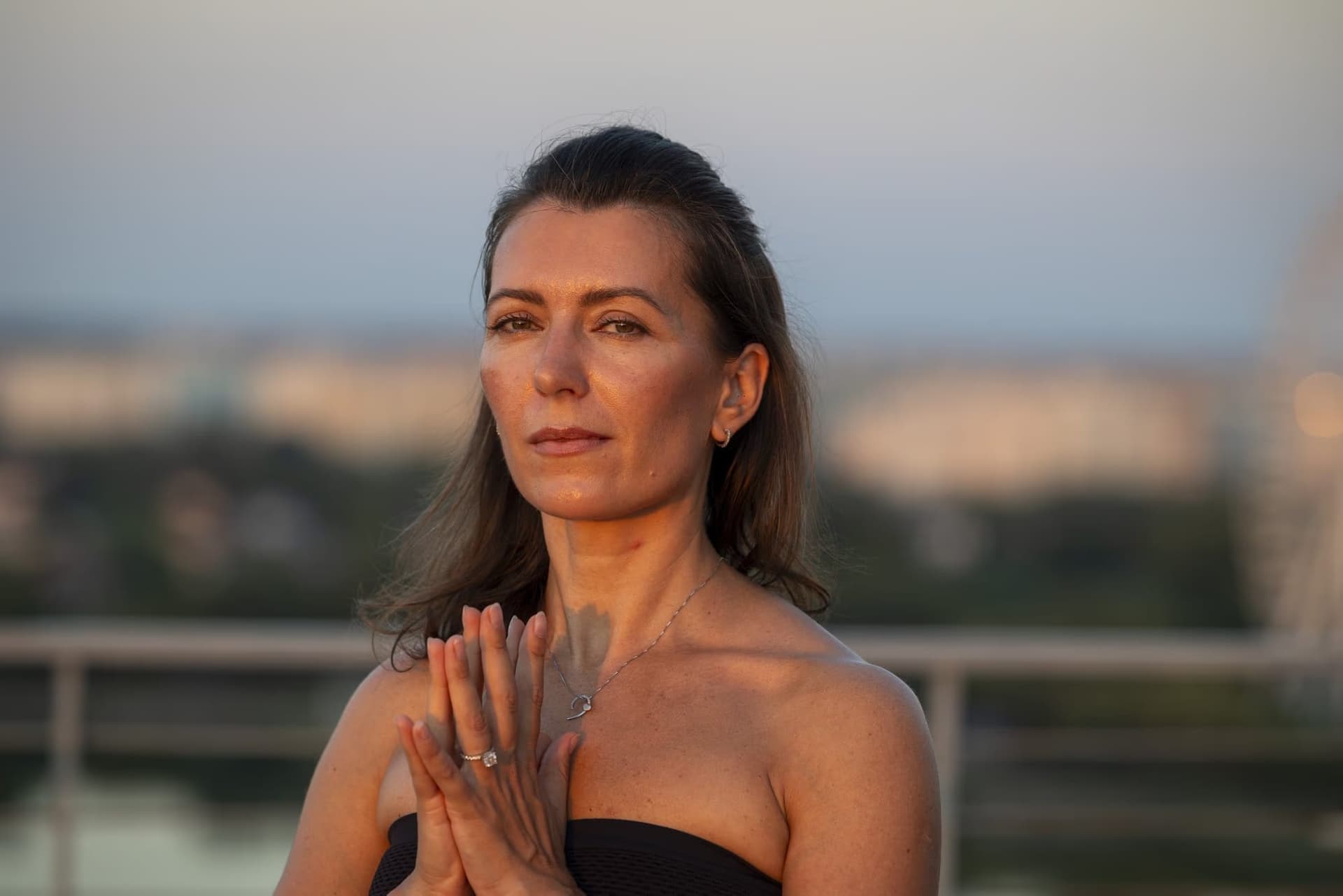
The road there does not run through finance. She read Political and Administrative Science at Babeș-Bolyai University in Cluj, and the master's in audit and financial consultancy came afterwards, alongside her first job — a bank counter in Covasna County, in 2004. After two years at OTP Bank România came eleven and a half years at Piraeus Bank România: treasury trader, senior trader on institutional sales, then private banking for high-net-worth clients and interim head of the department. From 2018 she stayed on at the same bank under its new name, First Bank; from 2022, at Raiffeisen.
Her CV records a portfolio grown from ten to twenty-eight million euros. For one client, a capital gain of 40%, obtained by trading emerging-market government bonds. And more than a hundred hours of meetings implementing MiFID II, the European directive that obliges a bank to verify that a client genuinely understands the product being bought.
That rule stayed with her after she left the system. „If you find it hard to explain, it means you haven't understood it. So go deeper."
The arithmetic
Did she run any risk analysis on her own departure? „No. No, no."
A personal price for the portfolio grown from ten to twenty-eight million. „I don't feel I paid any price for it, because I was doing my job."
Pros and cons on paper. „No, because it would have become something very mathematical. And when you choose with your heart there is no mathematics. There's no mathematics in it at all."
One calculation, a single one. „When I left I had savings for 6 months, in which, let's say, if I produce nothing for 6 months, that's how long the money lasts: 6 months. Yes, that's it."
For three hundred clients she assessed the risk. For herself she calculated only how long she could hold out. The first is called risk analysis and it was her job. The second is a reserve — how many months someone lasts without income. She did only the second.
What advice she would have given, on the other hand, is known exactly. Put in front of her a forty-three-year-old client who says he wants to give up all his income and retrain, ask her for the professional answer rather than the human one, and it comes without hesitation:
„I would have told him to stay a while longer."
For twenty years she worked inside a system built so that people do not buy what they do not understand, and when her own turn came she sold herself the decision without a prospectus.
The place of the calculation was taken by a question she had carried with her for years and which, she says, gave her no peace: „When you get to 70, won't you regret that you could have done something else with your life, but you didn't give yourself the chance, or you didn't have enough confidence in yourself to try?"
That was, she says, everything she had instead of a spreadsheet. „The only analysis, if I can call it that, was this question I had and which somehow wouldn't leave me alone."
Six months
The preparation took years. Specialist courses and practice at weekends, without realising at first that this was what she was doing. „At weekends I didn't go out to enjoy myself, I stayed home and studied more, or did my practice, or simply practised a great deal."
She left without a spreadsheet. That is not the same thing.
The international teacher training „probably cost me somewhere around 20,000 euros", she says — courses, plane tickets, workshops, hours. It is her figure, and nobody can verify it from the outside; she did the training in Bali, and the flights are part of the sum.
And behind those six months of savings stood twenty years of a bank salary, a second-pillar private pension accumulated since 2008, and a training already paid for. She claims those choices as her own: „I'm glad I made some very good decisions when the privately managed pension was launched in 2008." She is not counting on that pension — „I'll make other money anyway, it's not the money I'm relying on" — but she keeps an eye on it.
She sets the limit herself: „I see on social media that this lifestyle is idealised: «Right, everyone hand in your resignation and let's all be painters and artists». It doesn't work like that."
The job that does not exist
Younger teachers than Anca now come to her with questions that have nothing to do with yoga. „I've had younger yoga teachers, so to speak, who came to me for the coaching side or with all sorts of questions: what do I do, I've finished a yoga course, now I've been hit by a great many problems from everyday reality, nobody comes to class, or how do I organise classes…"
So there is a trade. On the papers of the Romanian state, it has no name.
Romania's Classification of Occupations, minor group 3423 — „instructors and coordinators of physical training and recreational programmes" — contains eleven occupations. Sports animator. Fitness instructor. Fitness coach. Aerobic-fitness instructor. Physical education instructor. Dance instructor. And, since 2025, when the state added nineteen new trades, Pilates instructor too, with a code of its own: 342311.
Yoga instructor does not appear. Not then, not now.
She did not know. „I never even looked. I didn't know. It never crossed my mind."
It is not an obstacle to employment: anyone who wants an employment contract is registered under a related code — usually aerobic-fitness instructor, 342304 — and the large gym chains ask for exactly that certification, with a yoga diploma treated as an advantage. The obstacle comes later, for those working under their own tax registration — that is, by all appearances, the majority. Below a net annual income of 48,600 lei, a self-employed person owes no social insurance contribution, and if they do not opt to pay it voluntarily, that year produces neither pension points nor contribution record. It disappears from their contribution history. The years with low income are, by definition, the first years of self-employment.
It is not the legal form that decides, but the income declared: at 2026 parameters, one pension point costs around 27,600 lei, the same sum for an employee and for a self-employed person. Whoever stops at the minimum threshold sets their own accumulation.
What it pays
From the bank she brought, she says, above all the habit of talking about money. „I discovered with astonishment that generally outside the banking world, where it was normal to discuss money, in the real world people are somewhat reluctant to talk about money. […] We shouldn't be ashamed to talk about money, and under no circumstances should we refer to money as «pennies»."
So I asked her directly how much a yoga teacher can earn in Romania.
„They can earn somewhere between 2,000 euros and 5,000 euros a month, depending on […] whether they have online programmes or not, depending on what they have built."
The figure has nothing to be compared against, because nobody measures it. There is no statistic on income from yoga, and Romania's fitness centres reported around 3,570 employees in total in 2024, in a market estimated at 970 million lei — a sign that almost all the work is done off the payroll. Studios publish the price of the product, not the price of the labour.
Retail prices, on the other hand, are public. She sells a monthly pass of 450 lei for twelve group sessions, plus individual sessions, charged separately. In Bucharest, a single session costs 50–75 lei, and a monthly pass 280–500.
The range of 2,000–5,000 euros therefore remains the estimate of a single source inside the field — and the source herself describes a field in which nobody gets there quickly.
About the trade she has entered she has a single critical observation, said once and without insisting. „Unfortunately the community is not a very united one. […] It surprised me too, I would have expected people in this field to be less driven by ego and to have more compassion, and I would have expected them to be more united."
What was left behind
The sector she walked out of closed behind her like a door.
In February 2025, OTP Bank România — where she had worked between 2005 and 2007 — was absorbed by Banca Transilvania. First Bank, that is the former Piraeus Bank România, where she had spent more than fifteen years in total under both names, had been bought by Intesa Sanpaolo back in May 2024, a few months before she left; the brand disappeared from the market in 2025. Over the course of 2025, the Romanian banking system went from thirty-two to twenty-nine credit institutions, and the sector's trade union announced in November around 5,000 bankers made redundant in two years — layoffs, not net change. Total headcount had fallen from 51,857 at the end of 2022 to 49,829 in June 2025, and the business press estimated it at around 46,000 in the first quarter of 2026.
Three of the five bank names in her CV no longer exist today.
She did not sense what was coming. She left the part that was doing best: Raiffeisen's private banking division had passed one billion euros in investment products in 2024, with over 1.7 billion under management, and in 2025 — a year after she left — it won the Euromoney award for Romania's best international private bank.
The corporation is not the villain either, and the defence comes from the woman who left it. „I believe very much in the corporation too, because it has a very well-defined role in society and, as an employee in a corporation, it shapes you in a way that entrepreneurship never will. […] The structure a corporation gives you is quite simply priceless."
What she does not tell them
To women her own age who ask her how she did it she says one thing, repeatedly: prepare. „Don't take the decision impulsively just because you had a meeting where your boss shouted at you, or where you said «I've had enough of this toxic environment at work and from tomorrow I'm not coming in and I'll be a yoga teacher who travels and does yoga and my life will be extraordinary», because that is an illusion too."
The window in which a change like hers can be made narrows earlier than we think. In Romania, the employment rate of women aged 45–49 was 74.0% in 2025, and of those aged 50–54, 69.6% — both groups well below retirement age. At 55–64, which includes the years after retirement, the rate falls to 47.3%.
What she does not tell them, so as not to cut their momentum, she says in the interview without hesitating:
„That it isn't perfect and that it will be very hard and that you'll have a great many moments when you'll say «Why did I have to resign, I'd have been better off staying there, because I knew exactly… and even if the boss is toxic at least I knew what was coming, but at the end of the month I collected my salary and I could travel more easily, I had more predictability on the income coming into my account»."
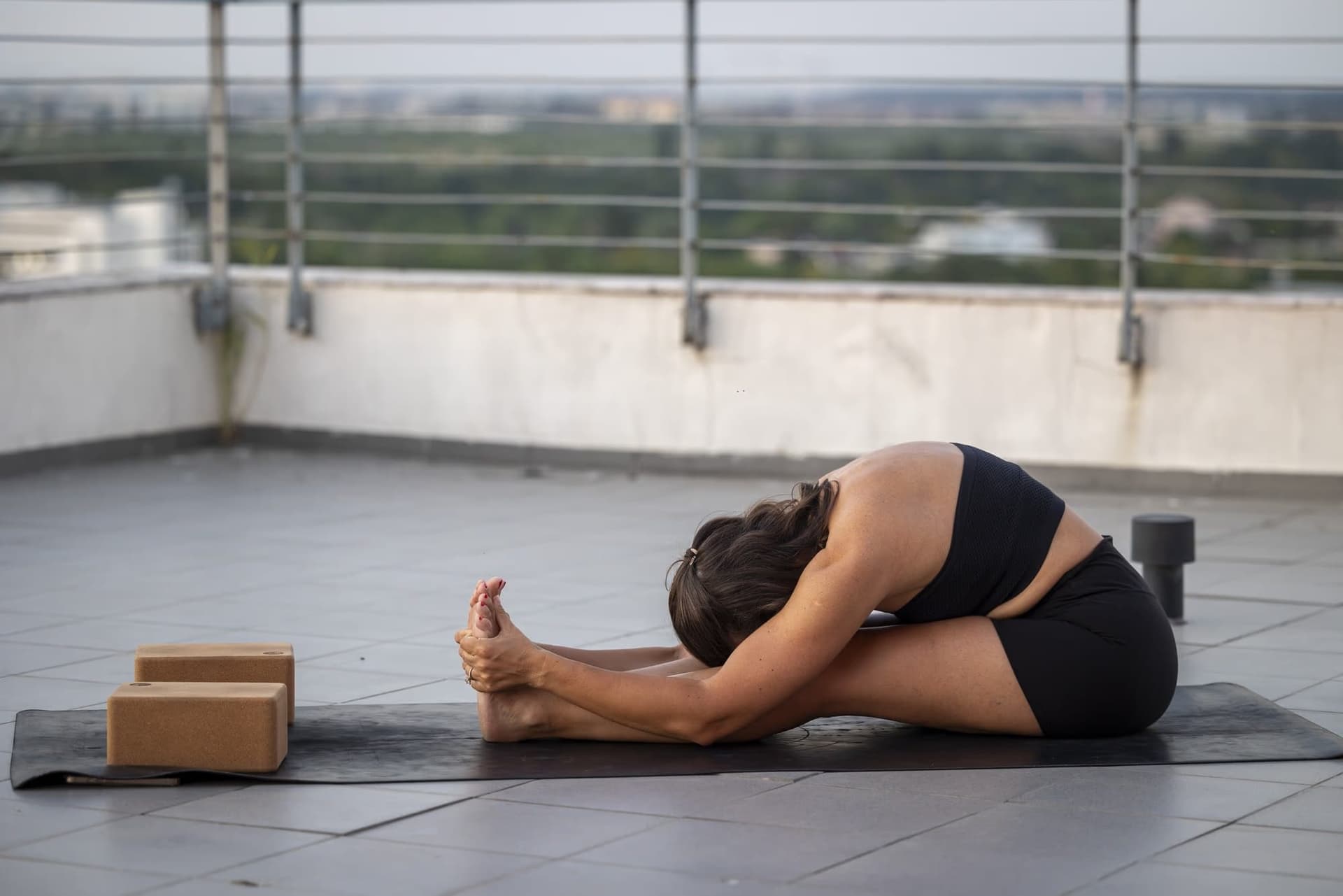
Did the arithmetic of those six months work out?
Four words — the most honest answer in the whole interview:
„More or less, more or less."
The worst decision
Her best formulation about money is not about money. I asked her what is the worst financial decision she has seen taken by someone who had all the information in front of them. She answered in ten words:
„To take no decision. And to say «let's wait a while»."
That sentence also describes what she refused to do: to have everything she needed in order to choose, and to postpone. She did not postpone. Except that she did not calculate either.
Her standards came through intact. „Somehow I think I carried the discipline, the conduct, the professional ethics into the other area as well, because I have the same expectations of myself in this wellness field, of being a very good instructor."
So did the conviction that the resource is not money: „The greatest resource for making money, yes, money is part of it, but more than that it is time."
Eight women on their mats
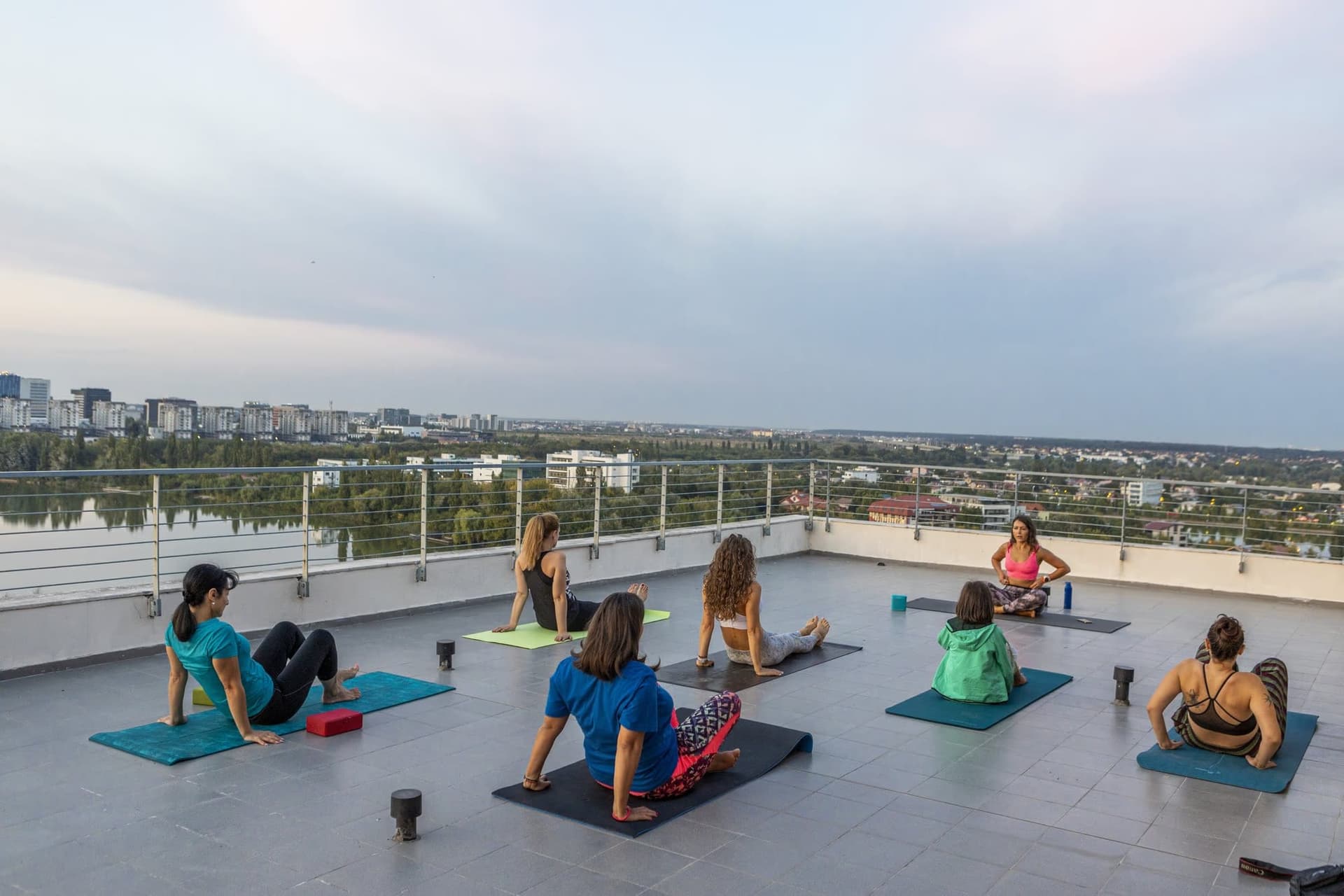
Five years ago, on this same roof, eight women sat on their mats with her at the front.
She was working at the bank then.
That is when I met her. They were of very different ages, from girls of twelve upwards. Only now do I know that she was already crossing, slowly, to the other side.
They worked without music. The silence up there, in the middle of one of the most corporate districts in Bucharest, was so deep that the shutter of my camera sounded industrial. The sunset over the city made even that noise insignificant.
Now, on the same terrace, at the same hour, there is nobody. The class goes on, but on the other side of a screen.
At 70
The last question was whether she would have the courage to start over once more at 55, closer to the marker she had set herself.
„I think it would depend a great deal on the circumstances I'd be in at 55. That's why I took the step at 40 and didn't wait until 55, because I even asked myself: «But at 55 would I still do it as easily, or would I decide…»"
But the question that moved her was not about 55. It was about 70, and it has nothing to do with yoga, with banking, or with her. It applies to anyone who hears it.
„When you get to 70, won't you regret that you could have done something else with your life, but you didn't give yourself the chance, or you didn't have enough confidence in yourself to try?"
A private banker would call that opportunity cost. She called it nothing at all. She left.
<!-- EMBED YT — atmosphere clip, session of 19 August 2026. -->
Atmosphere clip filmed on 19 August 2026. The music is original, generated with artificial intelligence. Video: AdiCoco.com
Interview conducted on 19 August 2026, on the roof of an apartment block in northern Bucharest, where Anca Iftime holds her classes. I first photographed her in the same place in 2021, when she taught as a hobby and was still working in banking; the photographs from that year come from my own archive and are dated as such. Photography and filming my own.