
Romanian spring unfolds in flowers, one after another, as the season climbs from the plains to the hills and mountains — from the first patches of melting snow through May. Some species are protected by law; others grow within protected natural areas. The rule is simple: look and photograph, don't pick.
1. SNOWDROP — Galanthus nivalis
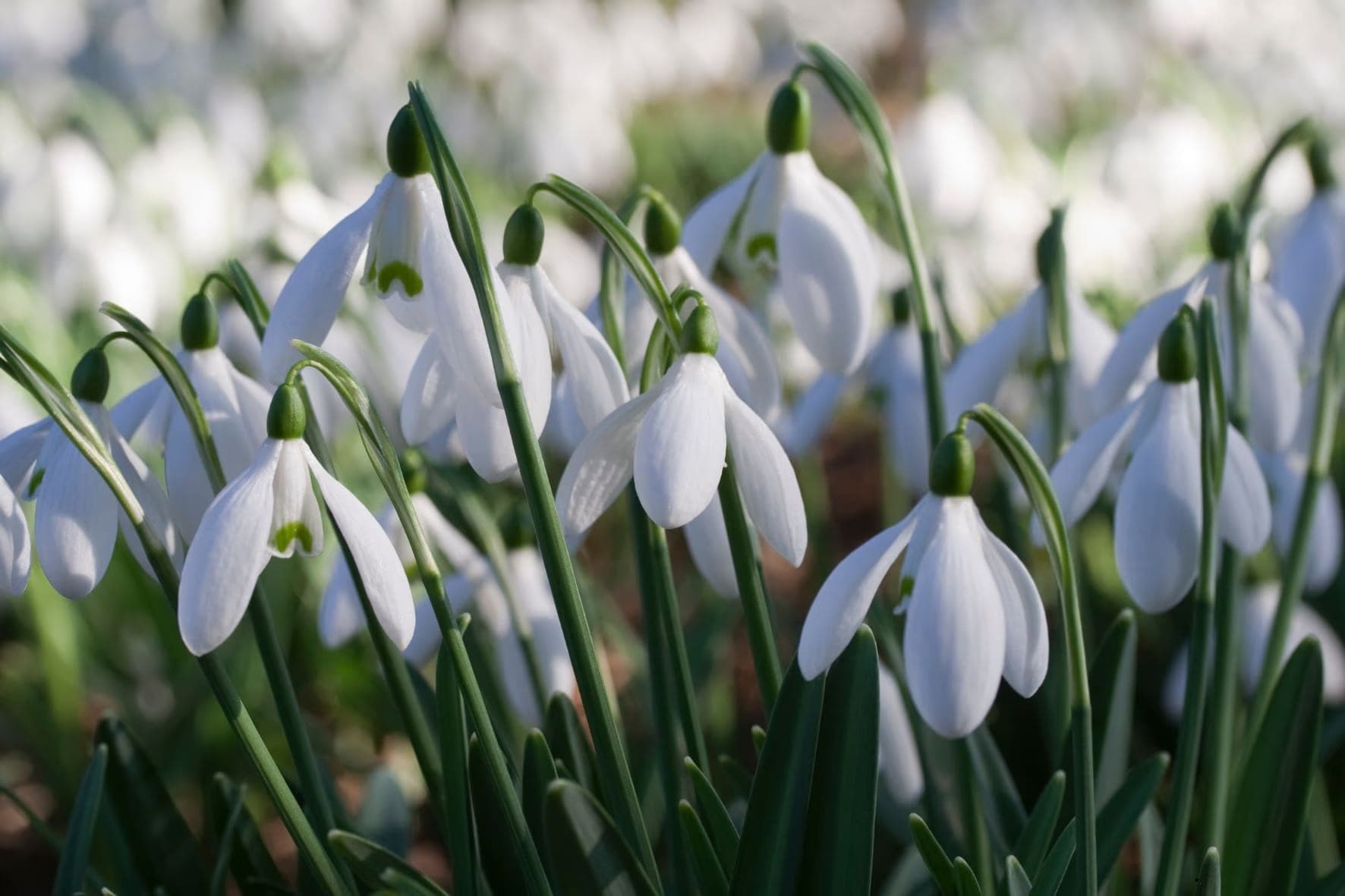
One of the first flowers of the year, typically blooming from January–February through March in deciduous forests, woodland edges, and wet meadows. It is a protected species under Emergency Ordinance 57/2007: collecting from the wild and selling snowdrops may be penalized. It is the best-known and most widespread snowdrop in Romania; Galanthus plicatus has populations in northern Dobrogea, including Tulcea County.
2. SPRING CROCUS — Crocus heuffelianus
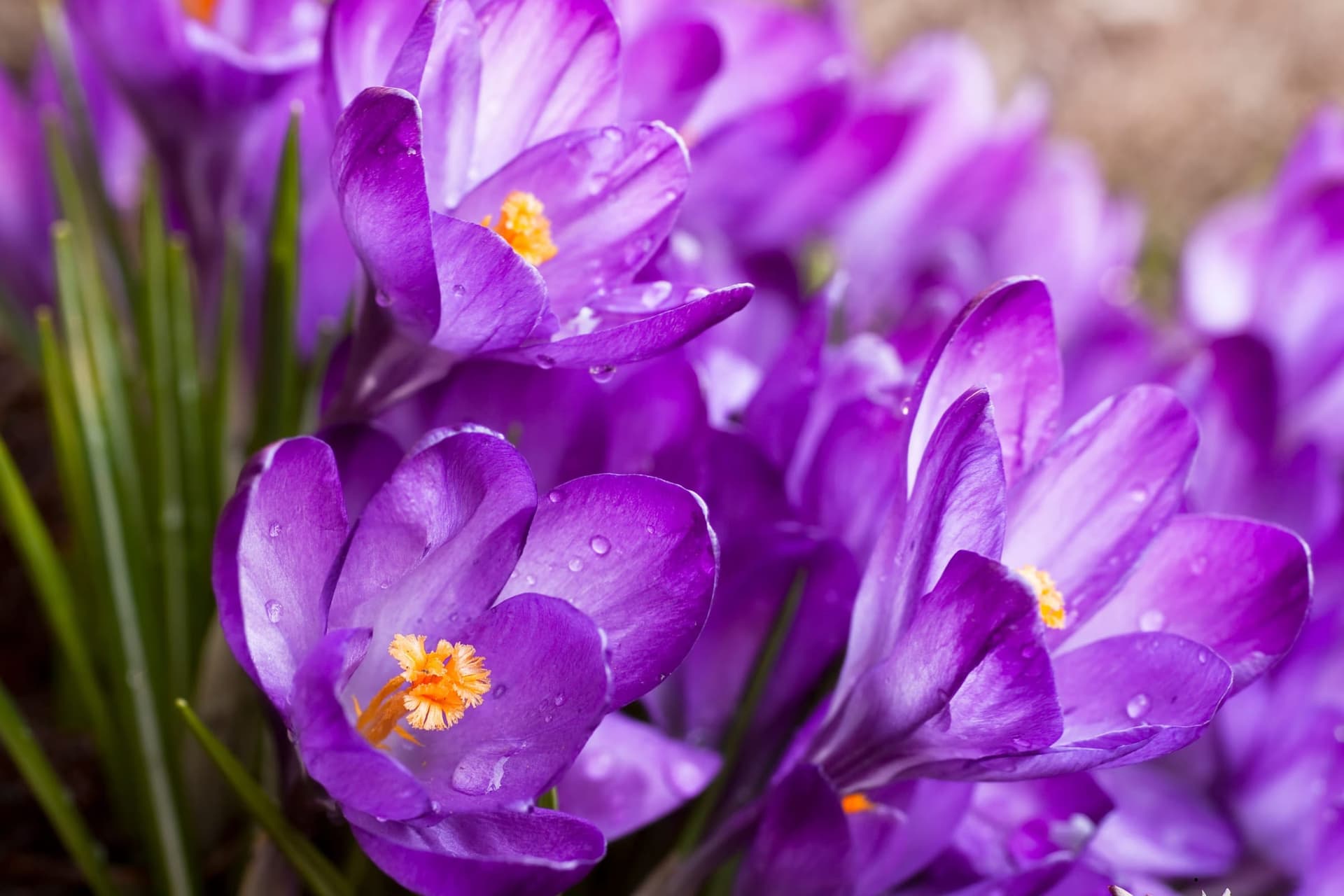
It blooms mainly in March–April, sometimes into May, depending on altitude and snowmelt. It appears in meadows, hayfields, and forest clearings, particularly in hilly and mountainous areas. The low-growing, purple flower opens in clusters at the edge of the last patches of snow.
3. PASQUEFLOWER — Pulsatilla spp.
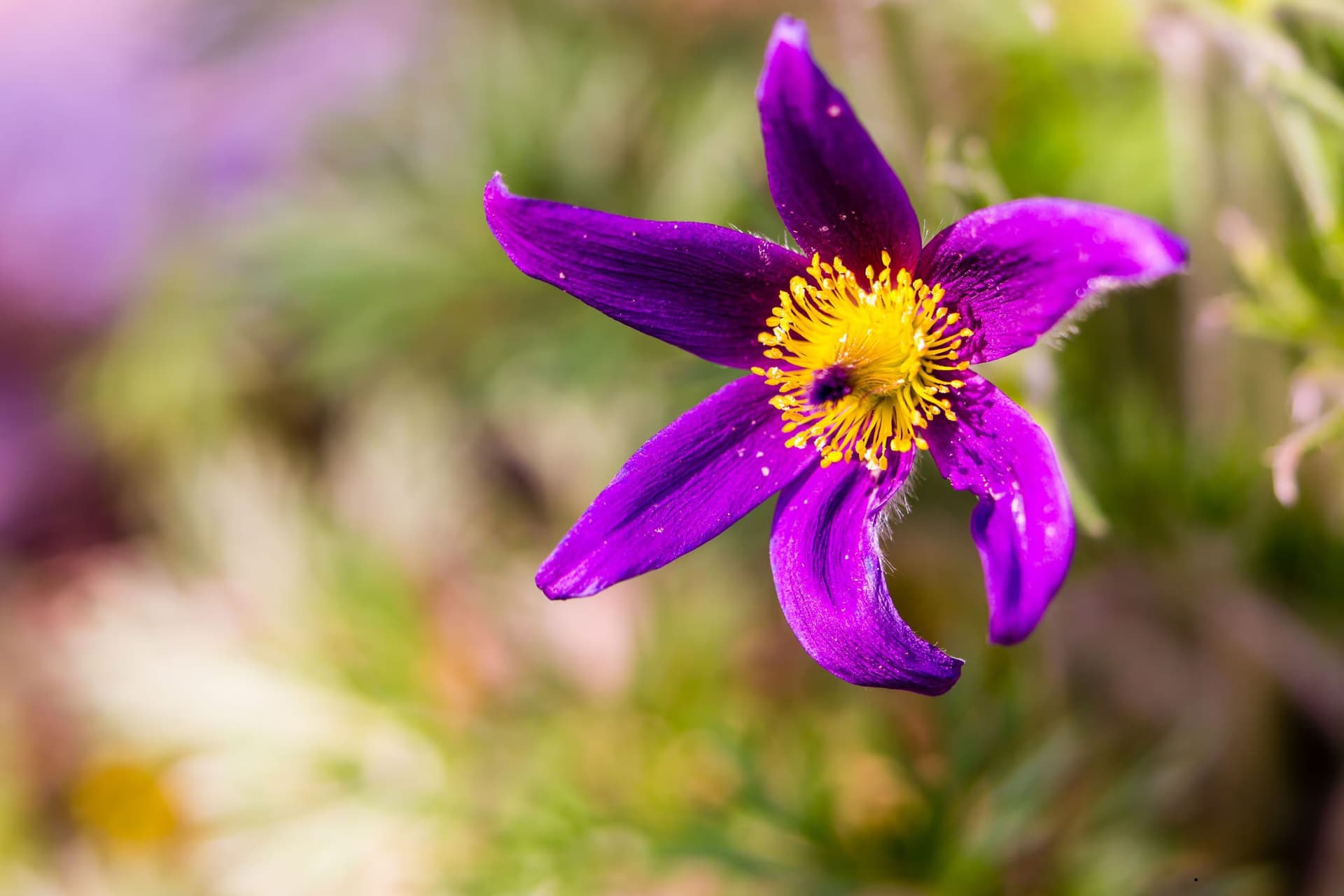
The common name covers several Pulsatilla species, some also known as Easter flower (floarea-Paștelui). They bloom in spring on dry, sunny meadows while the grass is still withered; their violet flowers and fine silky hairs on the stem make them easy to recognize. Several are protected under Emergency Ordinance 57/2007 — Pulsatilla patens, Pulsatilla grandis, and Pulsatilla pratensis subsp. hungarica.
4. STEPPE PEONY — Paeonia tenuifolia
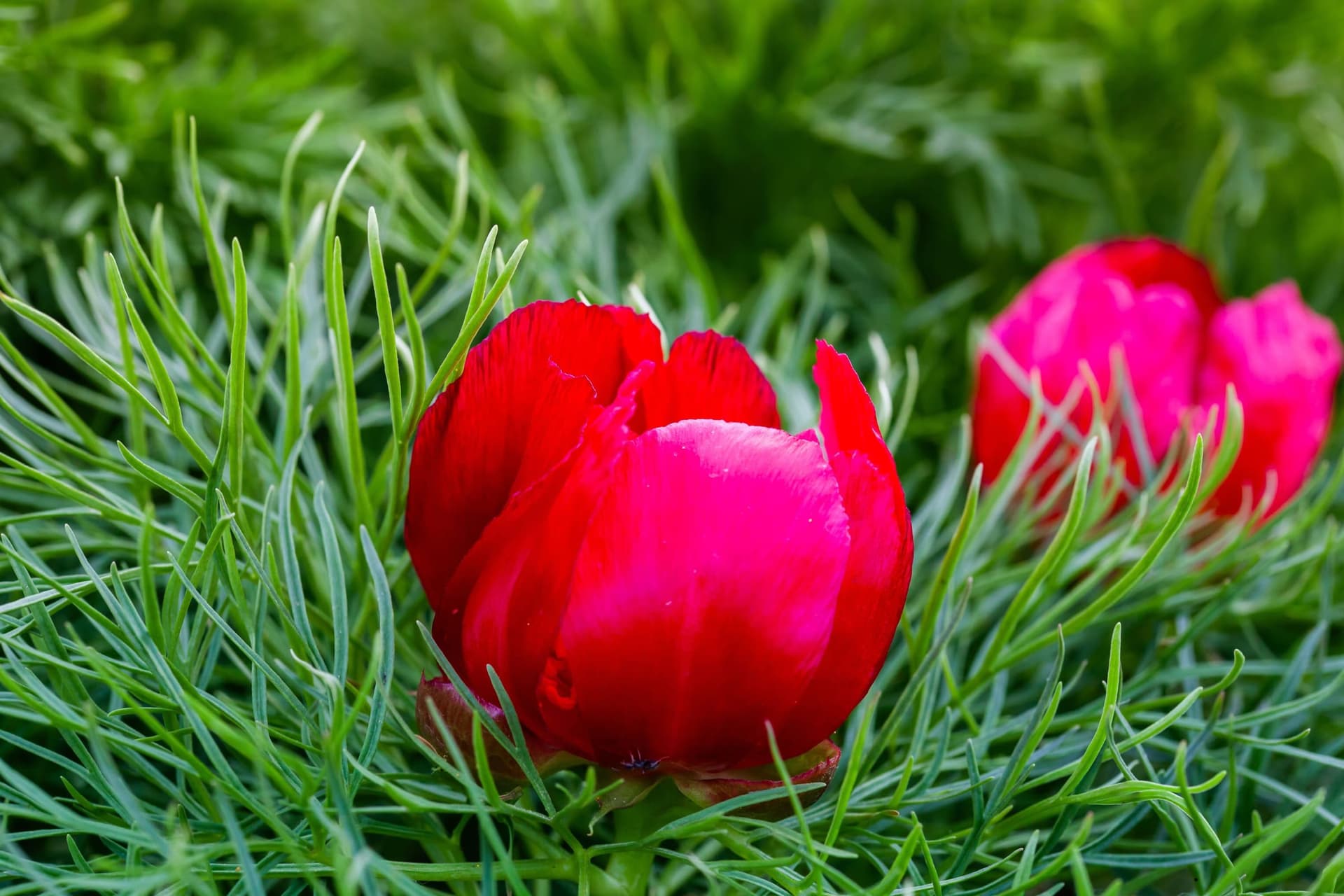
It blooms in April–May (sometimes into June, depending on temperature) at Zau de Câmpie, Mureș County. The reserve was established in 1932 by botanist Alexandru Borza and is known for its population of Paeonia tenuifolia, a rare species in Romania; local sources put the count at around 50,000 plants, and each flower lasts approximately one week.
5. WILD NARCISSUS — Narcissus poeticus subsp. radiiflorus
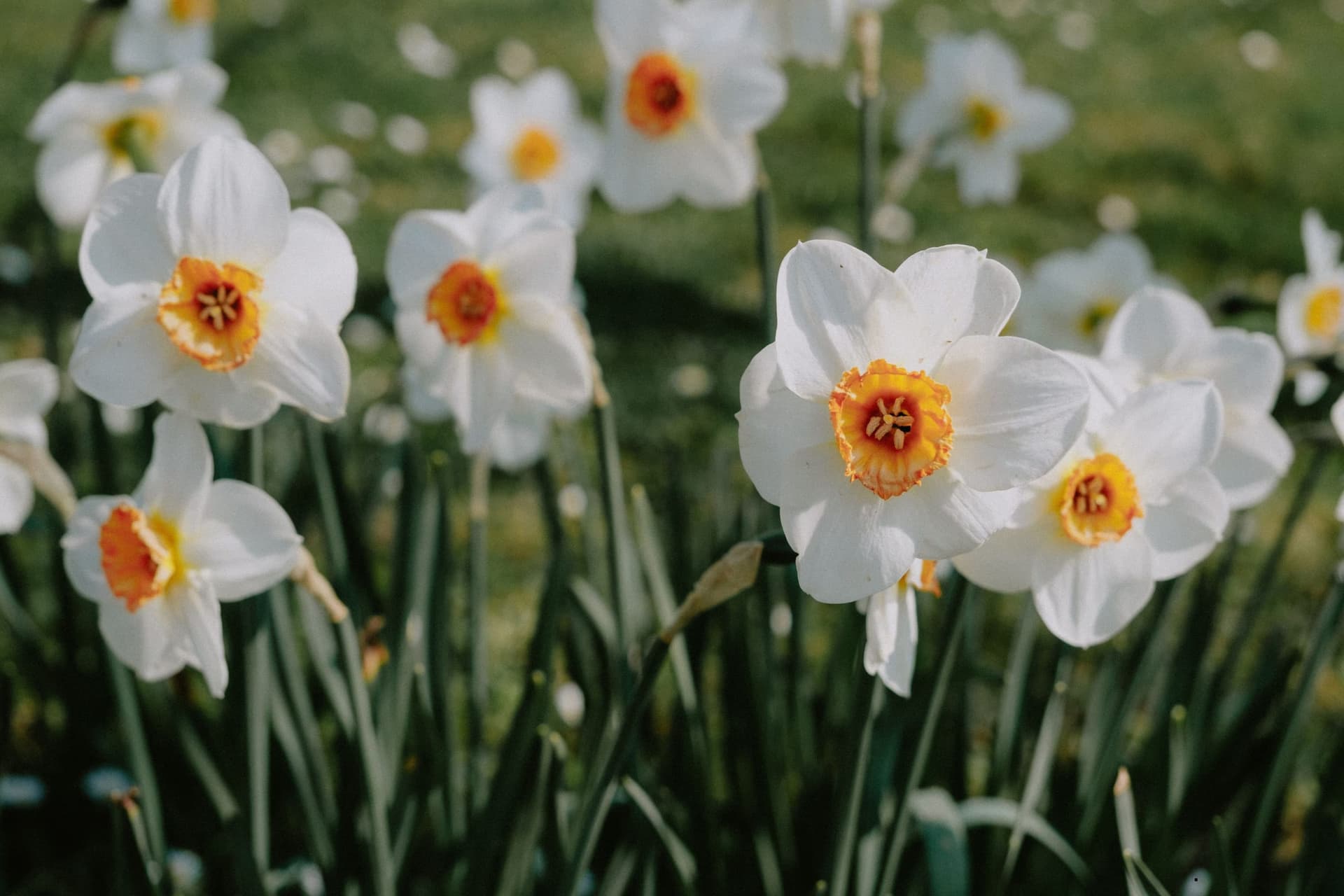
In May, the narcissus meadows (Poienile cu narcise) at Dumbrava Vadului (the village of Vad, Șercaia commune, Brașov) fill with wild narcissus at the foot of the Făgăraș mountains. The 394.90-hectare area is protected under Law no. 5/2000; flowering typically lasts 2–3 weeks, depending on the weather.
SOURCES:
Emergency Ordinance 57/2007, Annex 3 (snowdrop, pasqueflower); Steppe Peony Reserve Zau de Câmpie (visitmures.com / Agerpres); "Poienile cu narcise – Dumbrava Vadului" Reserve / Law no. 5/2000 (Șercaia Town Hall); botanical sources for flowering periods.