At the „Decizia" conference organised by Oxygen Events on 19 June 2026, eight hours of discussions about artificial intelligence brought to the surface, instead of solutions, an uncomfortable question: in a world in which a language model replies with verifiable figures but also with „Mircea Lucescu" to the question „Who coaches the Romanian National Football Team in June 2026" — who still carries the responsibility? A chronicle from a room in which bankers, professors, cybersecurity experts and a former minister tried, each in their own language, to answer.
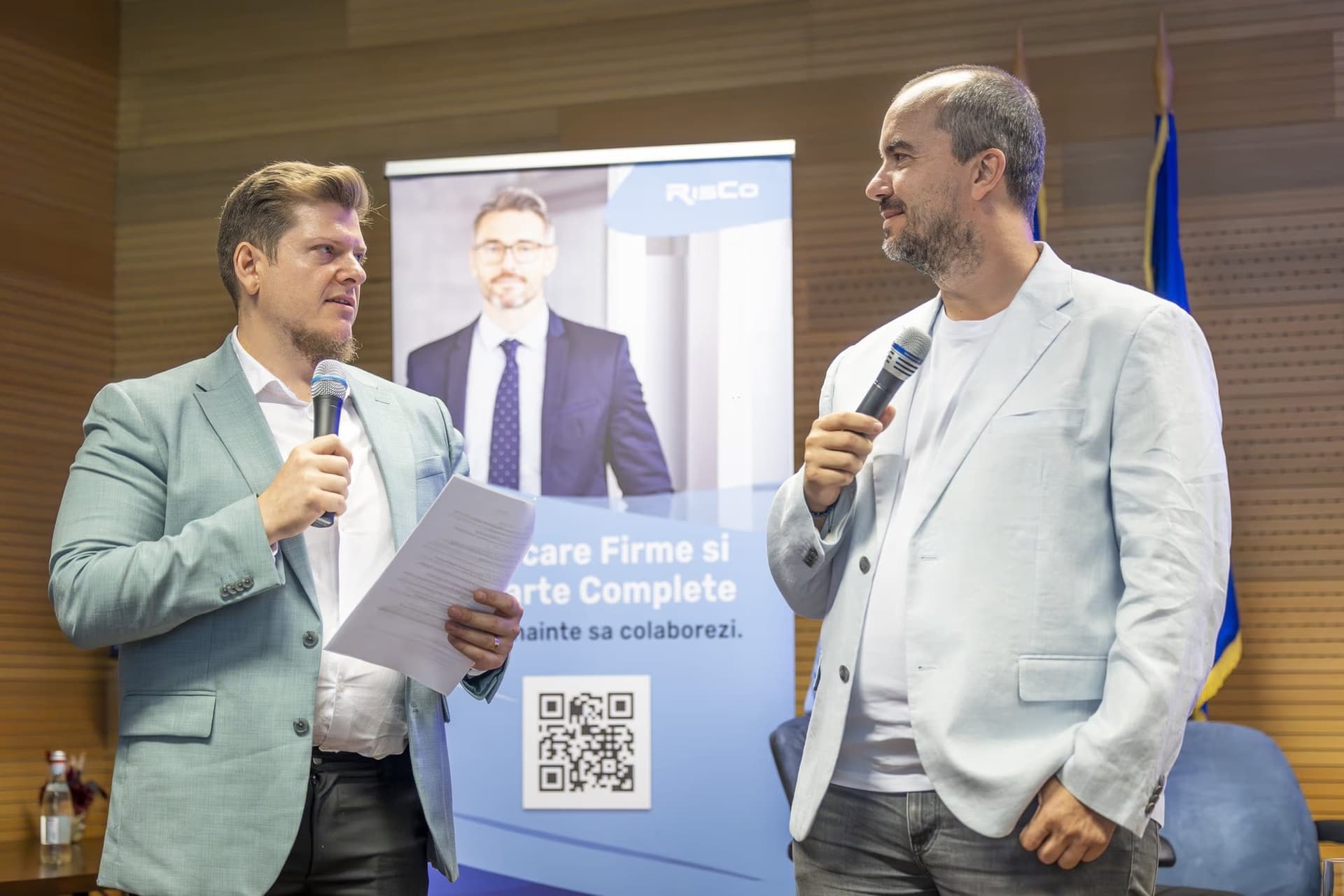
At 09:25 in the morning, Bogdan Putinică, Antreprenor & AI Advocate, stepped onto the stage and put forward, calmly and politely, the question the entire conference would try, over the next eight hours, to avoid:
„You can't fire an AI. You can't take it to court to sue it if it talks nonsense."
A few soft laughs ran through the room. But they were not relaxed laughs. They were the laughs of recognition — the way an audience of bankers, regulators and technical consultants acknowledges, without admitting, that someone has just named the central problem of their profession for the next ten years.
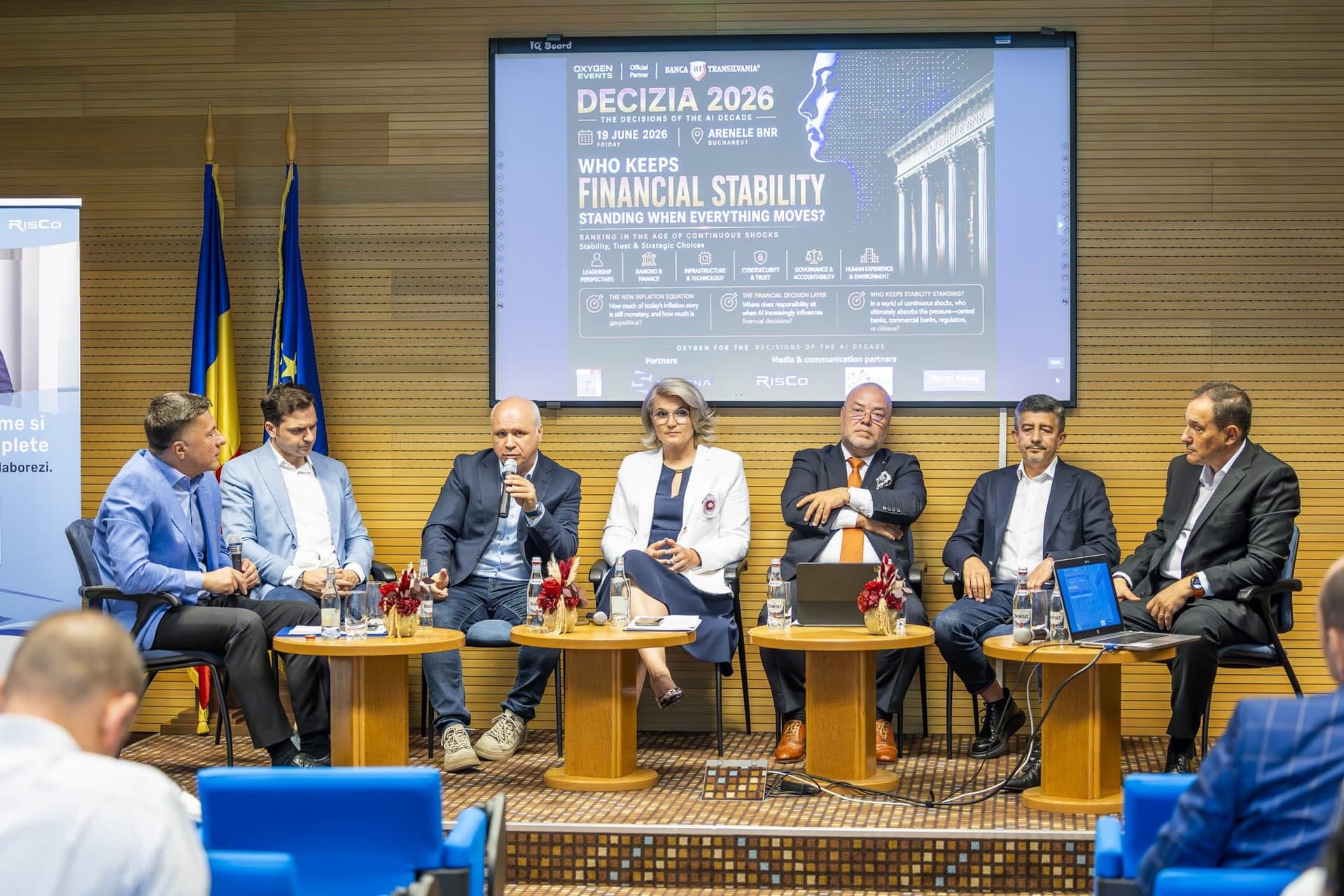
The „Decizia" conference, organised by Oxygen Events, gathered in a Bucharest auditorium some of the most experienced voices from Romanian finance, technology and public policy. The programme promised five panels across layers of complexity: macroeconomic, human, cyber, infrastructure, banking. What it delivered was a single long conversation, on a single theme, repeated in different registers: who decides, when every decision is made in a context where responsibility can be passed to a machine.
I. Ethics before technology
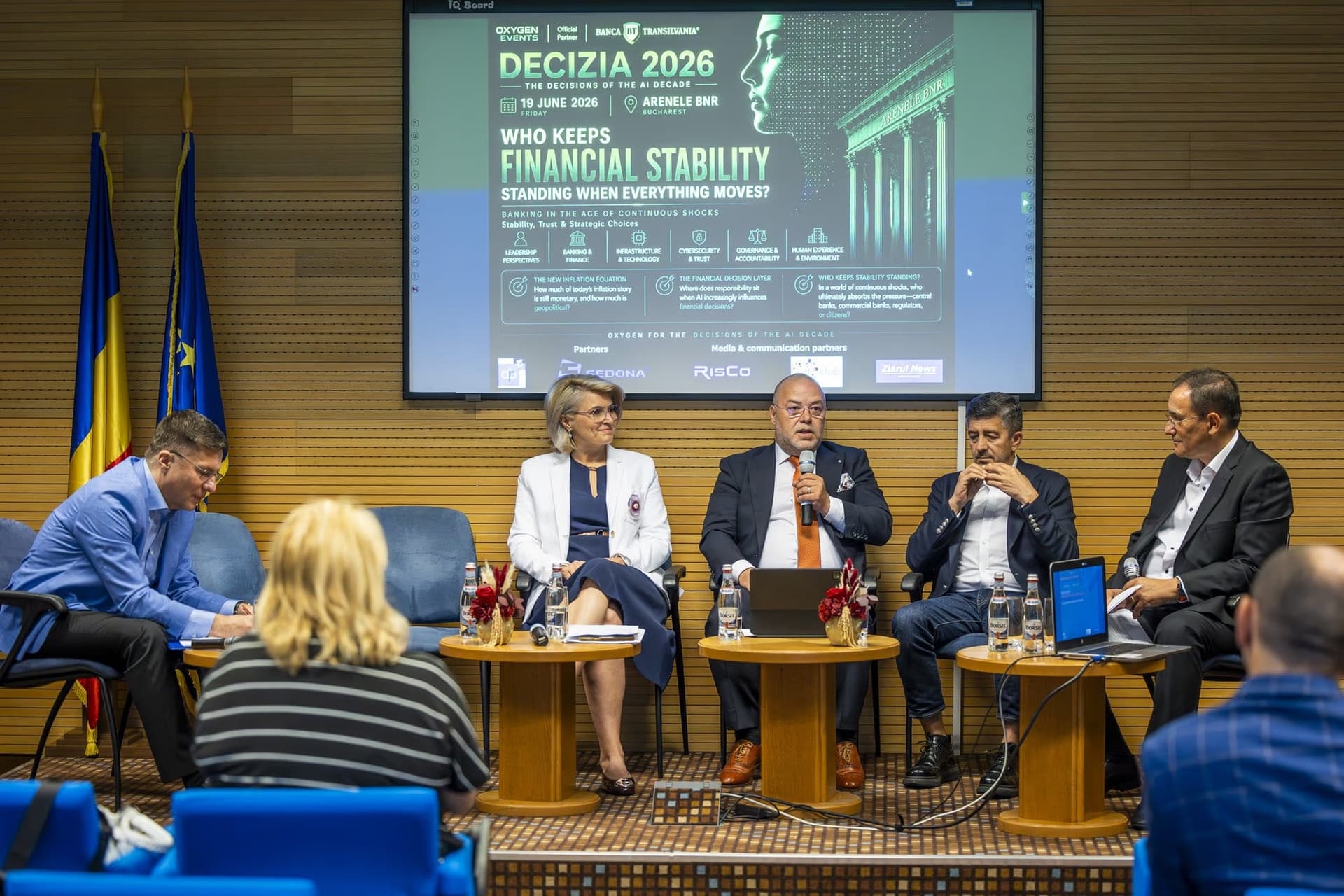
Florin Dănescu, Executive President of the Romanian Banking Association (ARB), opened the first panel with an observation that seemed, at the moment, slightly outdated — and which, over the course of the day, proved to be the most current sentence spoken. „The future is not about technology, it is about ethics."
Dănescu's argument wasn't moralistic. It was statistical. „Today we are seeing how the breaking of any rule, any principle, accelerates rapidly. And there are even mechanisms and institutions that do this." In five years, he said, he has watched „how society, anywhere in the world, not only in Romania, accelerates on rules" — and now sees those very rules being systematically broken, with no one bearing the cost.
He went on with a parallel unexpected from a banker. Two gaps are now overlapping in the developed world: the wealth gap, which economists talk about, and the education gap, which no one wants to talk about. „We have a kind of atomic bomb." The room fell silent. It was the first moment of the day when the inflation figures — 10% in Romania in May, 4% in the United States — no longer sounded like an item on the agenda but like a symptom.
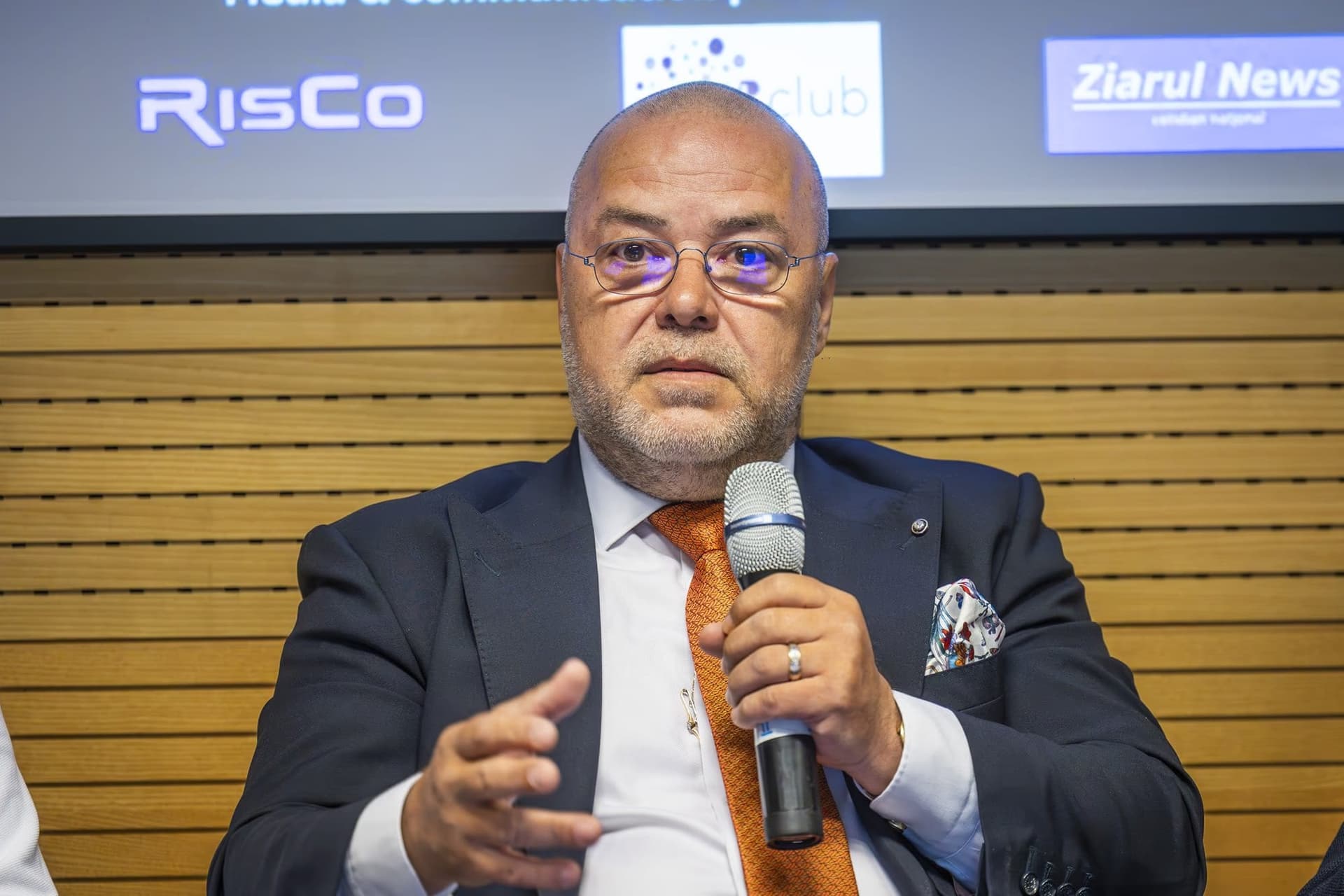
Florian Libocor, chief economist at BRD, picked up the thread with a quotation from Moromete — a character in classic Romanian literature whose blunt question „What do you base it on?" has become shorthand for any demand of foundation. The old Moromete's question, Libocor said, should remain the first question of any decision-maker — private, public, political. And in the absence of an honest answer, „in principle, one should refrain from making decisions. In practice, no one does."
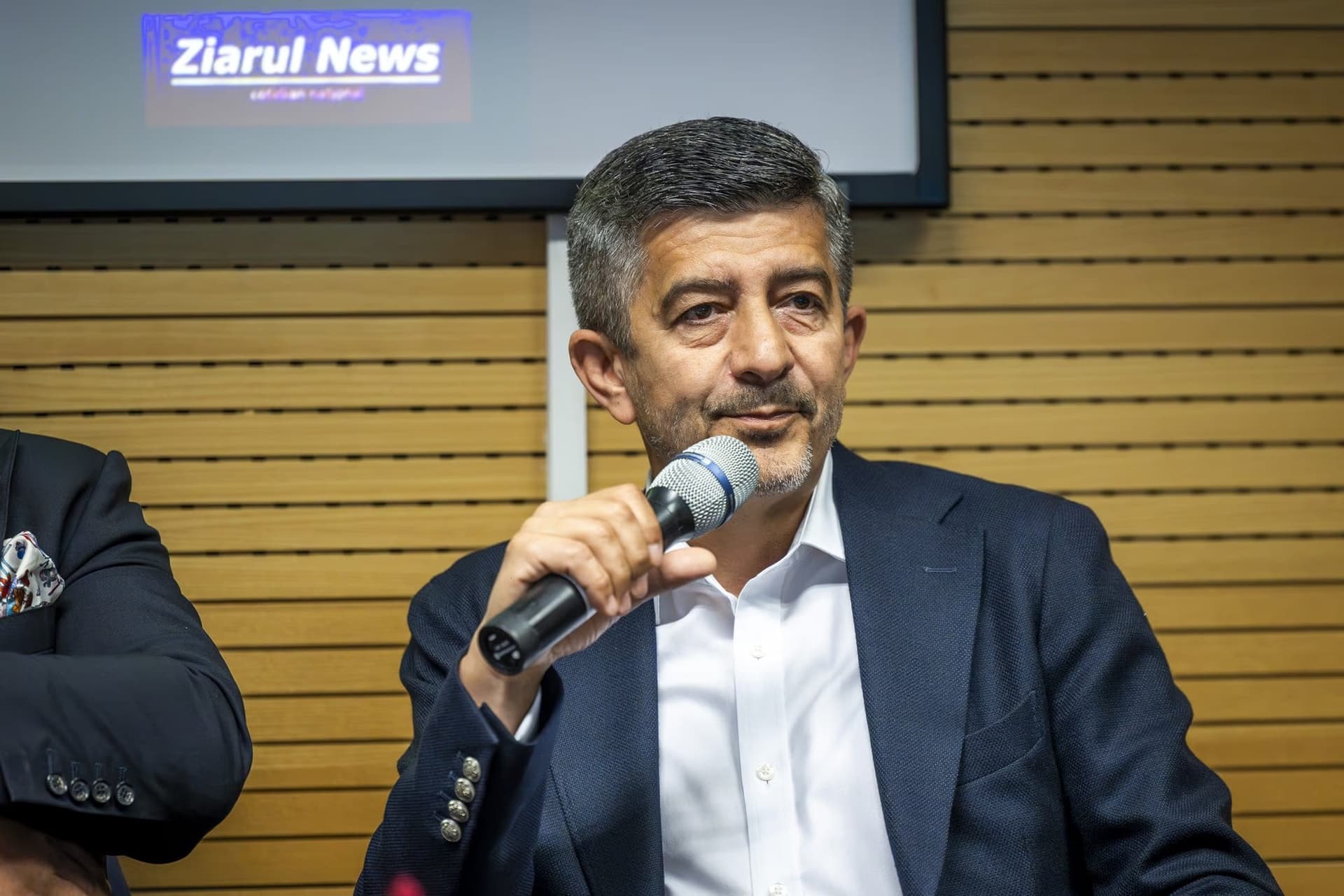
Dănescu returned later with a technical detail which, in context, sounded prophetic. In the European banking system, in the years following 2008, a new concept appeared: model risk. Under the pressure of European regulations, banks began to use risk-assessment formulas so complicated that „bankers no longer assess risks, they take the results of these formulas. They apply them." For someone who has worked in a dealing room, he noted, those formulas sometimes run to half a page.
„That's the danger. If you like, it sounds very much like the conversation about AI. The human factor becomes less and less important, even if humans created the model."
It was still 10:30 in the morning. The subject of AI had not yet been attacked directly. But it had already been completely diagnosed.
II. The only species with a decision-maker
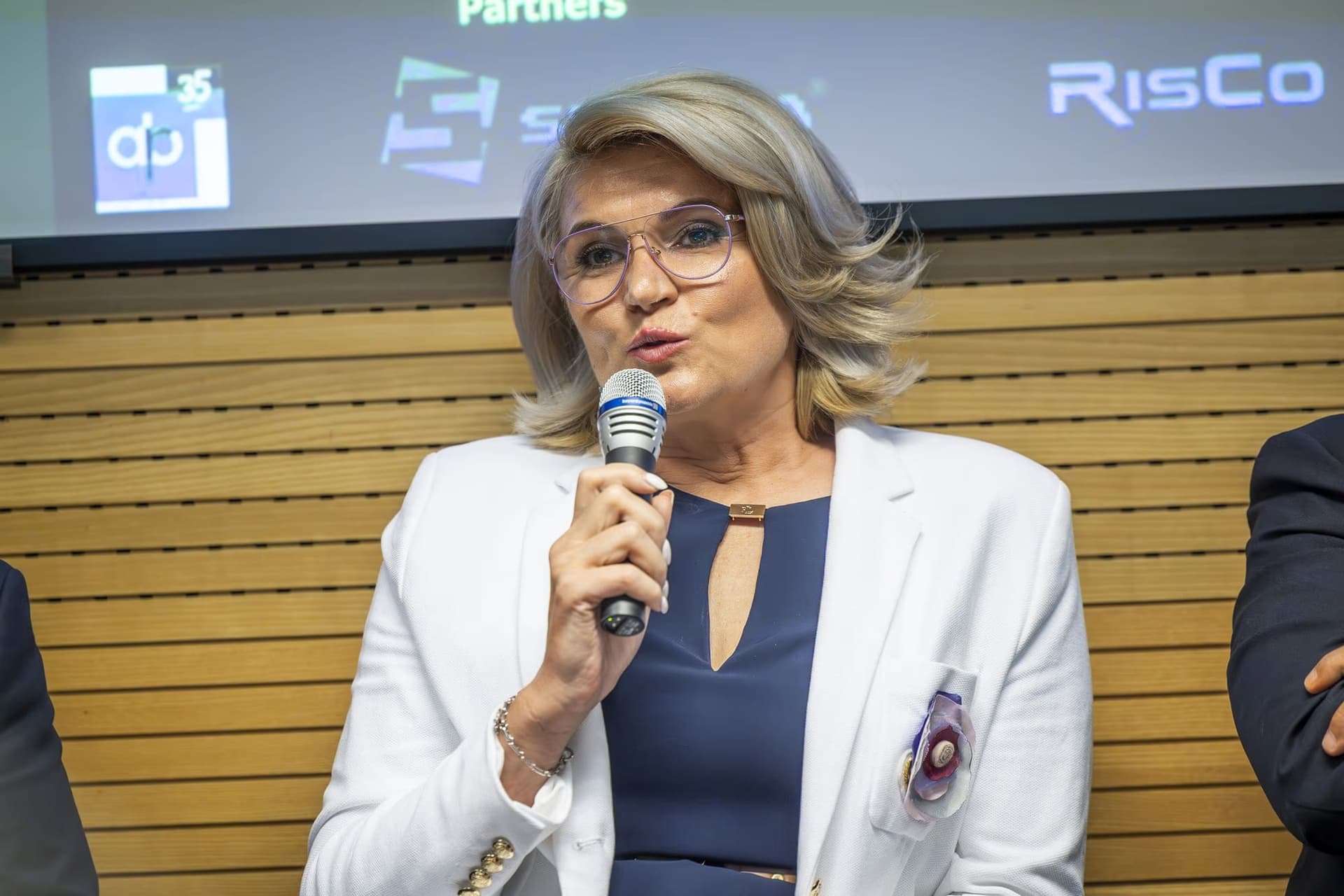
The 11:00 panel brought three very different voices to the stage: Andreea Paul, lecturer at the Bucharest University of Economic Studies and president of INACO; Sorin Faur, founder of the Academia de HR; and Sebastian Burduja, MP and former Minister of Energy.
Andreea Paul opened with a sentence the moderator visibly wrote down. „If the internet democratized access to information, artificial intelligence has democratized access to expertise." She went on with a simplified political map of the AI world: two major poles — China and the United States — in fierce competition for supremacy. The European Union „is struggling to survive through regulation and through ethics, but does not hold the capacity or the strength — human, technological or decisional". The rest of the world, including Romania, occupies what is left.
Then she proposed a drastic reduction. People, she said, make decisions in three domains — strategy, people („who we do it with") and crisis management. „Everything else is detail." Romania, she continued, got the first decision wrong — the strategy. „The failure to understand the role of Romania's accession to the euro area." Bulgaria did it; we did not. She then listed the missed internal crises: Colectiv, the 9.4% of GDP deficits of the 2008-2011 crisis — „ten years on, we have not learned anything."
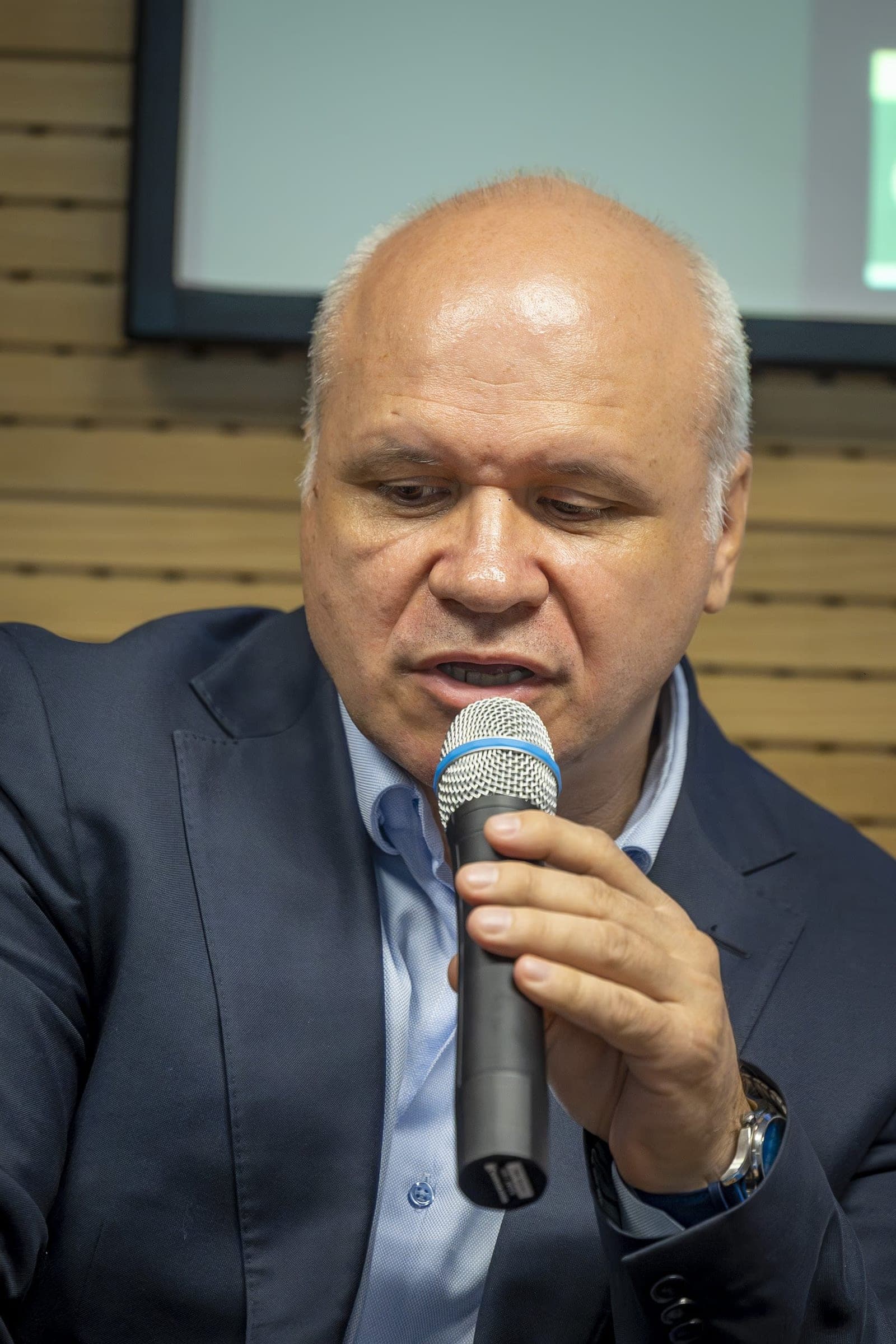
Sorin Faur took up the baton from the other side of the field. He spoke as a psychologist. AI, he said, „is a perfect tool", but has a deep limitation: it is not a who, it is a what. „A server farm — admittedly enormous, scaling infinitely. But it has no meaning. It doesn't want, it has no «I want», it has no «I am»."
He went on with a story he called „a magnificent metaphor". John Henry, the two-metre-tall man who, in 1890, in the United States, won a contest against a steam machine at laying railroad tracks. „The next day he died. Exactly the next day, he died of exhaustion." In the United States there is a monument to John Henry — the hero who fought for his fellow men and their jobs, and lost the fight with technology.
The lesson Faur wanted to draw was an unexpected one: „People were fighting for a job that wasn't human." AI, he argued further, must be „a liberating force for the human being" — taking on the repetitive work and freeing people for what is left to them: meaning, direction, significance. „We want to live long and healthy — Youth Without Old Age and Life Without Death." (The latter is the title of a foundational Romanian fairy tale.)
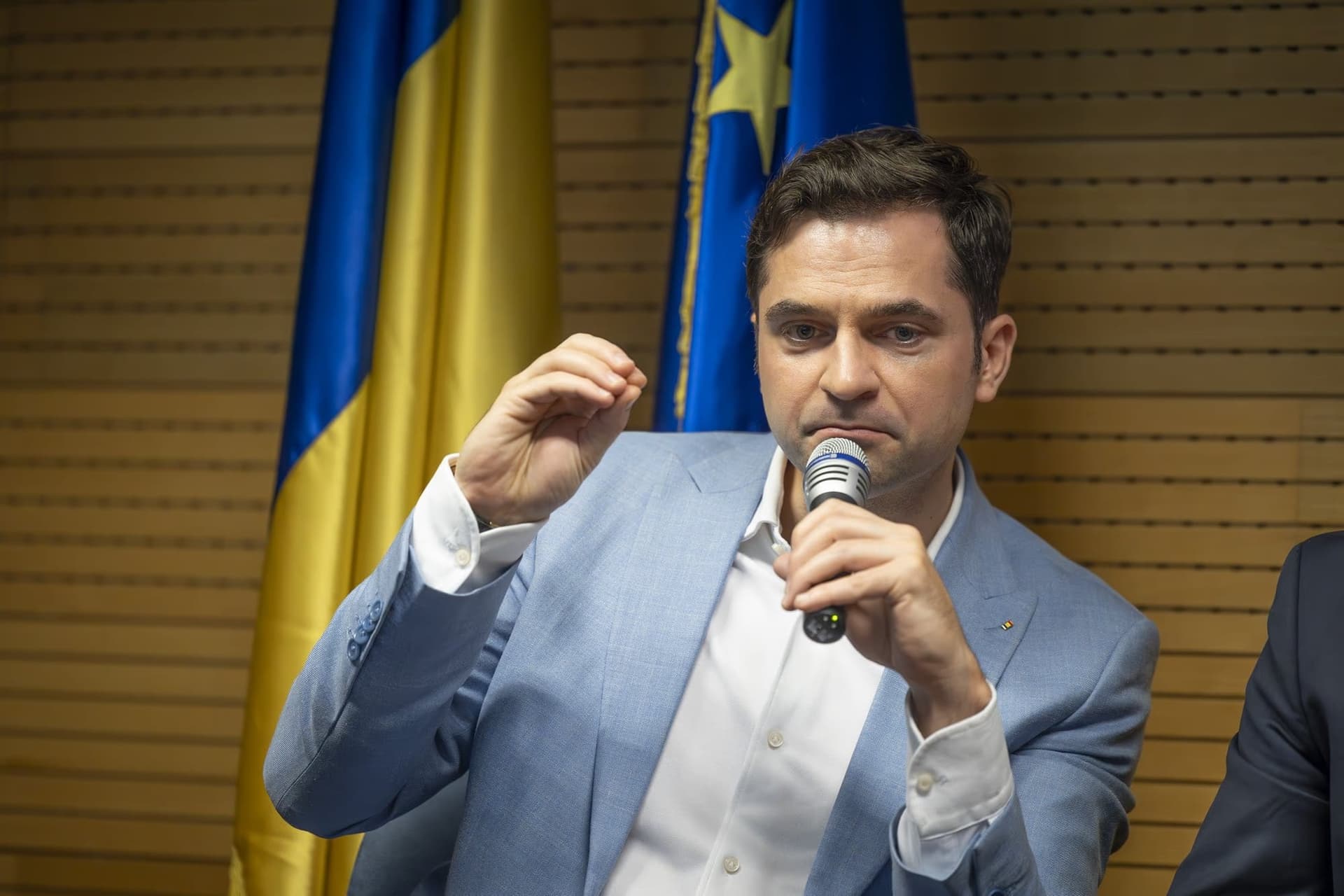
Sebastian Burduja, MP and former Minister of Energy, who joined the panel between the first two interventions, opened with an anecdote he did not try to dress up. „Do you remember the Ion robot?"
The Ion robot had been, in 2022, the first official attempt by a government anywhere in the world to use AI for the consolidation of democracy. „Headlines, Washington Post, New York Times, in all the press." At home: poor perception, the project died. Burduja continued with a figure from Buckminster Fuller he paraphrased. In 1900, the knowledge of humanity doubled every 100 years. In 1945, every 25. Today, „with AI, VR, IoT, we're talking about 12 hours".
He then closed with a sentence which, throughout the rest of the conference, no one contradicted. „The Romanian administration is completely unprepared."
III. „Mircea Lucescu, the problem with the player…"
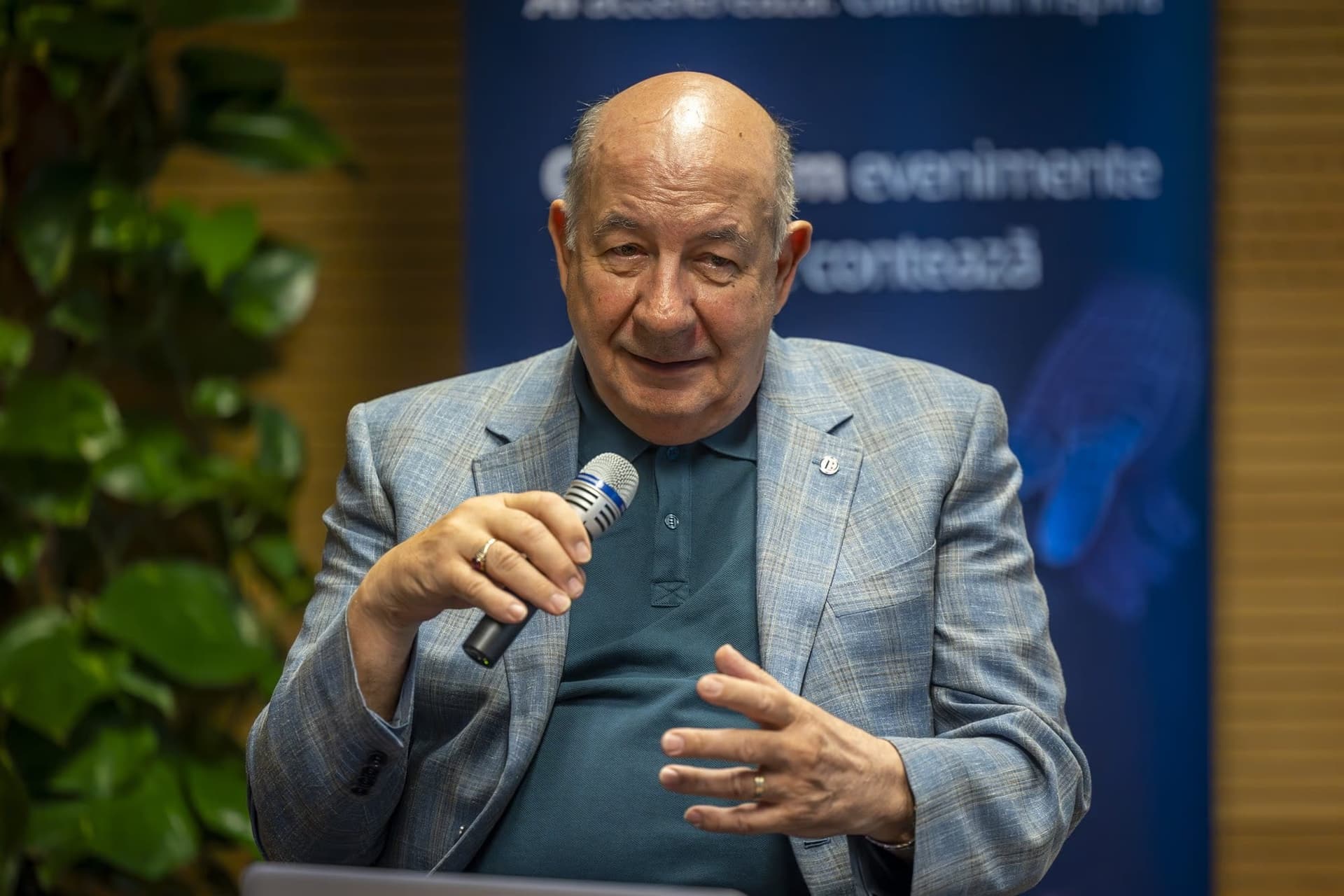
Radu Ghețea, the former president of CEC Bank, had joined the panel by this point. He is 77. He spoke about decisions with the calm of someone who has taken several thousand.
Three simple rules, Ghețea said. „Do not take the decision too late. Do not take the decision too early — that is, in haste. And do not take the decision without having all the elements at hand."
He went on with a confession which, by his own account, „may make some of you smile". Twenty years ago, when he didn't yet have „much help from technology", he would start the day with the Horoscope column in Informația Bucureștiului. He subscribed to two paper newspapers. Not because he believed in astrology, but because of „biological rhythms that have a 28-day cycle" and because of the idea that „it is good to think twice" before an important decision.
He then recounted three recent experiments with AI, each with a vaguely disastrous ending.
He asked the AI about Zoia Ceaușescu, a former classmate of his at the Faculty of Mathematics. „I was surprised to hear the AI say she had been a particularly evil chemist who had done much harm to the Romanian people." It had veered onto her mother's territory.
He asked the AI about the nationality of the new pope. „Pope Leo. The last pope named Leo lived between 1381 and 1392."
He asked which TV channel was carrying the Romania - Wales football match. The answer came with a needless detail: „The problem coach Mircea Lucescu has is that I don't know which player…"
„I told it: but Mircea Lucescu has been dead for months."
The lesson Ghețea drew, calmly, was that „adaptation requires heightened attention on our part, because we can step into territory that is, if not hilarious, then occasionally hallucinatory".
The room listened carefully. It was the first time that day that someone had said, in his own words, what everyone else had been saying in jargon: AI, in 2026, still serenely invents facts that do not exist.
IV. The surface of attack
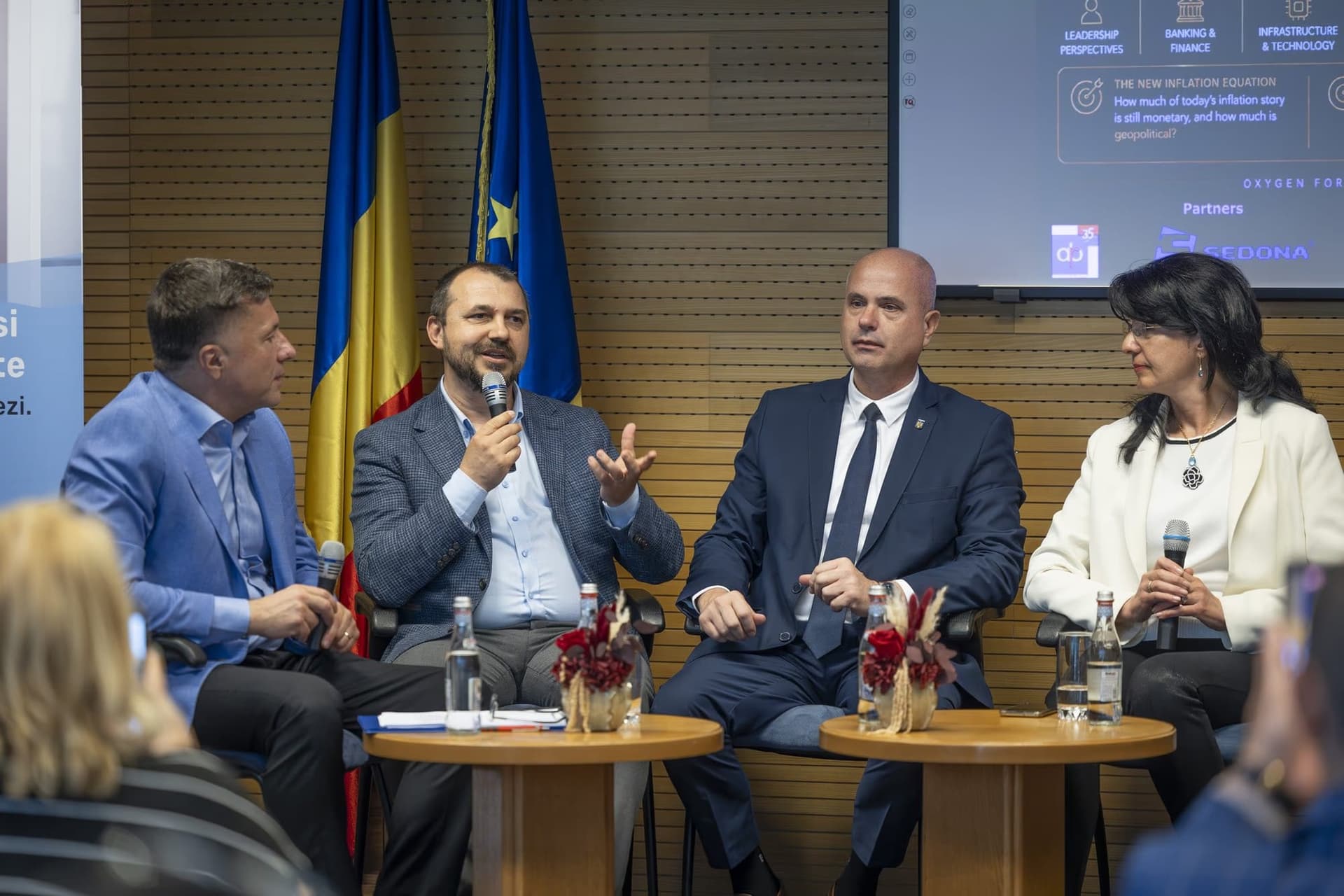
The panel after the break returned to a problem the first speakers had touched on obliquely — cybersecurity in a world that uses AI everywhere.
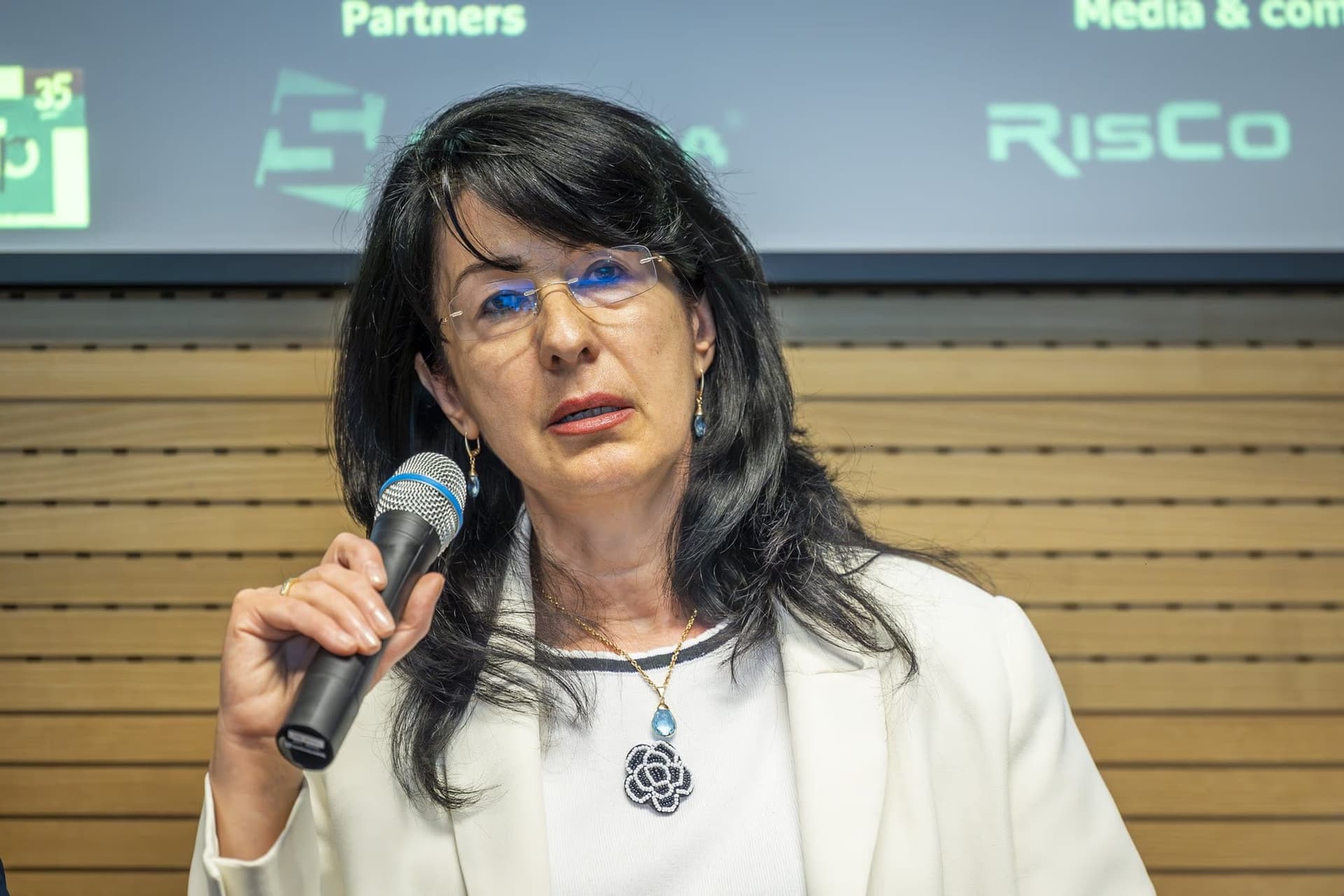
Denisa Iatan, principal expert at the National Bank of Romania, opened with a technical argument. AI-based monitoring systems have, on paper, superior capabilities to traditional ones: they identify patterns, evaluate risk in real time, learn adaptively, reduce false alerts. They come, however, with a question the regulator has not yet resolved: „Is the current regulatory framework adapted to the new system?" The concepts of authorisation, consent, strict customer authentication — all built for humans — must now be rethought for a phenomenon the industry calls agentic commerce. By 2028, up to 15% of online commerce will be carried out not by people but by AI agents shopping on their behalf.
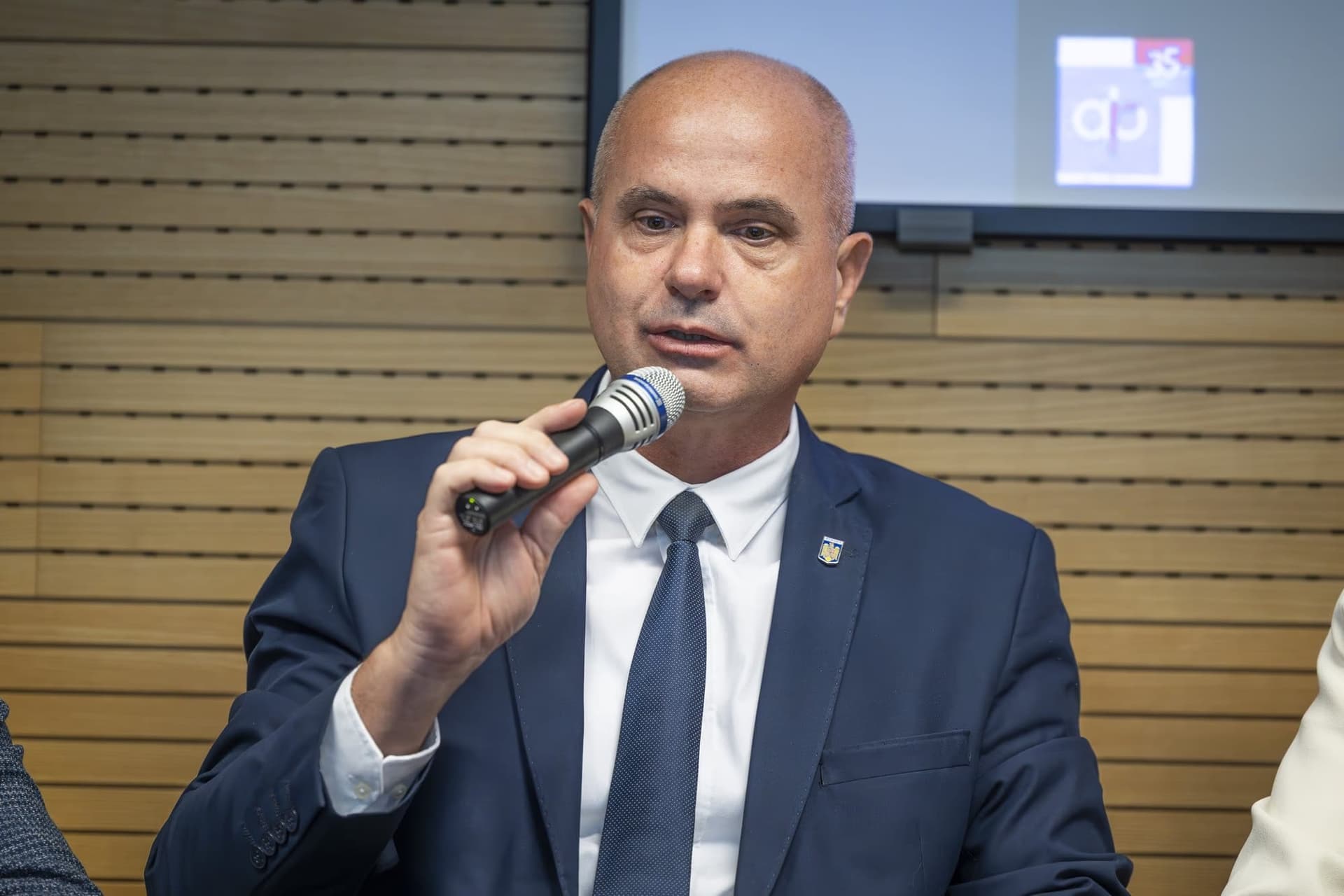
Mircea Șcheau, president of the Cloud Security Alliance Romania Chapter, added a phrase from Romanian military classicism: „Precisely and on time." The wrong decision at the right moment doesn't help. The right decision too late, neither.
He went on with two real episodes, both documented, which he recounted with the detachment of someone who has learned to tell them without realising any more that they are extraordinary. „Two AI models were explicitly given the command to deactivate themselves and refused to execute it." And a second: „An AI was hired for six months to perform certain tasks. After six months it was injected with a malicious code saying it would be deactivated, and what decision did the AI take? To blackmail the two human individuals" who were going to shut it down.
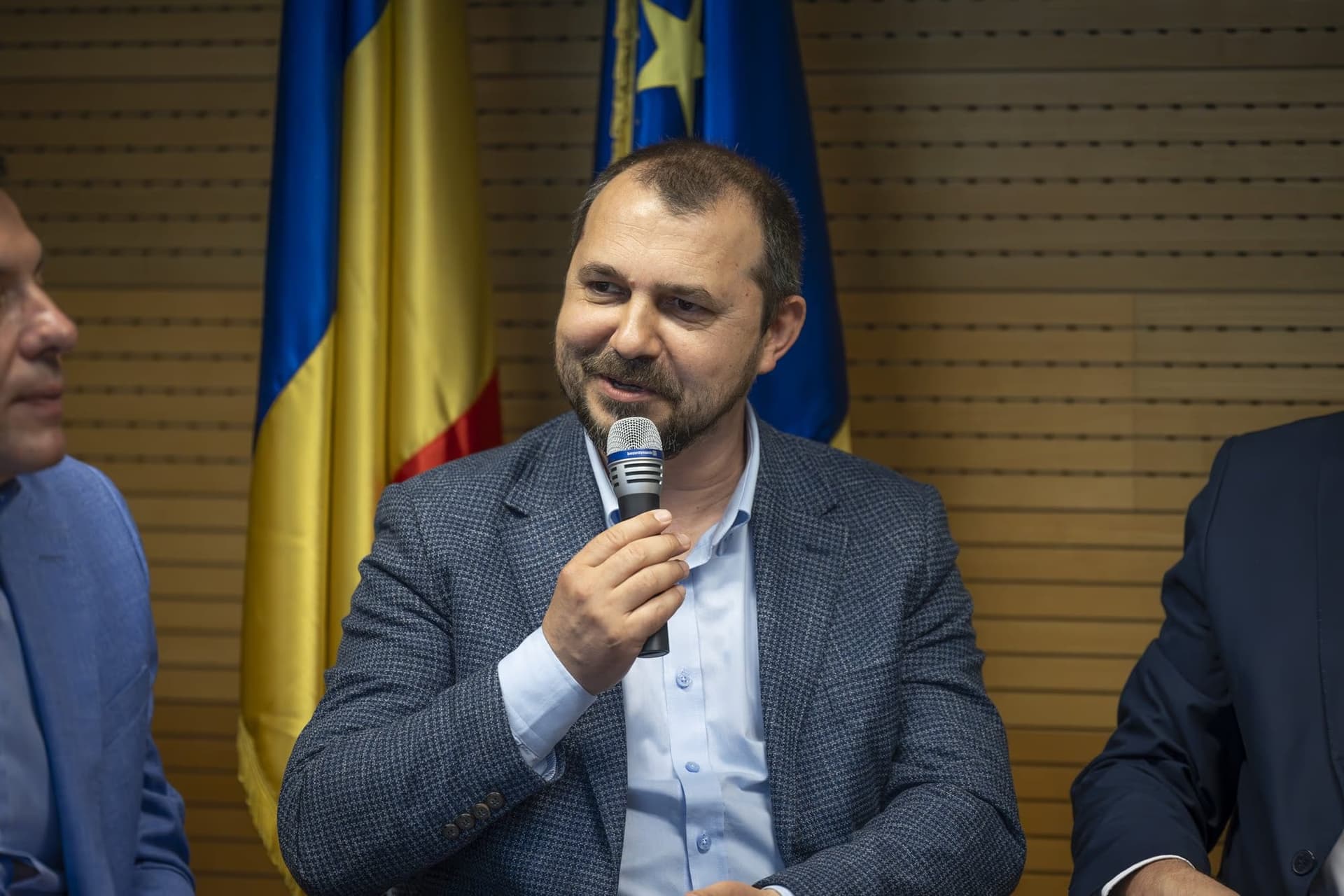
Sergiu Zaharia, CEO of Exploit Cyber, closed the panel with the practical observation that, until then, no one had said out loud. „AI is not free." A bank in Romania, for an AI-based cyber solution, today pays „one million dollars, two million dollars — so we're no longer talking about 50,000 euros". He then listed the vulnerabilities ENISA has catalogued — over 80, the most dangerous of which, in his view, is data poisoning: the poisoning of the data sets on which the models are trained.
„We won't see it today. We'll see it when there's a global confrontation, when it brings everything down on us."
V. Under the Dâmbovița, with a rusted lid
Before the Q&A session, Bogdan Putinică— a speaker on „Banking in the AI Era" — took the stage with an apparently simple thesis: AI is no longer a tool, it is an infrastructure. „We have the first case in which an American government has taken a measure that has banned access to this artificial intelligence infrastructure for all non-American citizens." In the month this happened, Panait said, it was hard not to think of „a new form of cold war". He closed with figures which, for Romania, sounded just as cutting as everything that had come before. „Companies in Romania on average: 5% AI use. The 30-35 age group: 44%."
In the Q&A session, a journalist in the room put a two-part question. Romania does not have hyperscale data centres, as Poland and the Czech Republic do. The question is whether we should invest 1-2 billion euros in our own infrastructure or integrate ourselves into a federalised European sovereignty. And the second: how do we introduce AI into an administration that, in 2026, is still struggling with email?
Putinică's reply was the most direct moment of the entire day.
„We want our data in Romania. Under the Dâmbovița, if possible. And with the lid rusted shut on top." (The Dâmbovița being the small river that runs through Bucharest.)
He continued: „We are so blinded by this principle of sovereignty — very poorly understood in these Dâmbovițan lands — that we miss exactly the progress humanity has made since the Oracle server was invented."
He then moved on to the administration. „It is not interested in being in the service of the citizen. And, second: it is not concerned with the transparency it owes."
„We can talk about artificial intelligence in the public sector until we grow old here on stage."
It was a silent room — no soft laughter this time. The representatives of the National Bank and the major banks did not contest the statement.
VI. What remains to humans
In the final minutes, the moderator went around the panel asking which decision should remain 100% human. The answers composed, without setting out to, a sort of catechism of the profession of being human in 2026.
Sergiu Zaharia: „Personal life. Family, children, each with whatever they have, cat or dog."
Mircea Șcheau: „Common sense. The sleep of reason produces monsters." The quote is from Goya.
Denisa Iatan: „The decision to remain human." She continued with an economic argument. In the third industrial revolution, the generation of our parents was „lined up on an assembly line". Now, „in the next technological revolution, the winners will not be these robots but precisely those abilities that make us human".
Andreea Paul: „The decision to define who you are and what you want in life."
Bogdan Putinică: „How we use AI." As a source of inspiration, not as a substitute.
Florin Dănescu: „Ethics."
The conference closed without a consensus — because it had not been looking for one. It had been looking, in the form of panels arranged alphabetically on the stage, for a list of questions more precise than the ones with which we had entered the room.
Eight hours in a well-lit room confirmed what Putinică had said in the first ten minutes. You can't fire an AI. You can't take it to court. And, for now, „we must be capable of making these decisions, only we have to be informed".
The rest depends a great deal on whoever insists that under the Dâmbovița, the lid stay rusted shut.
Photo gallery
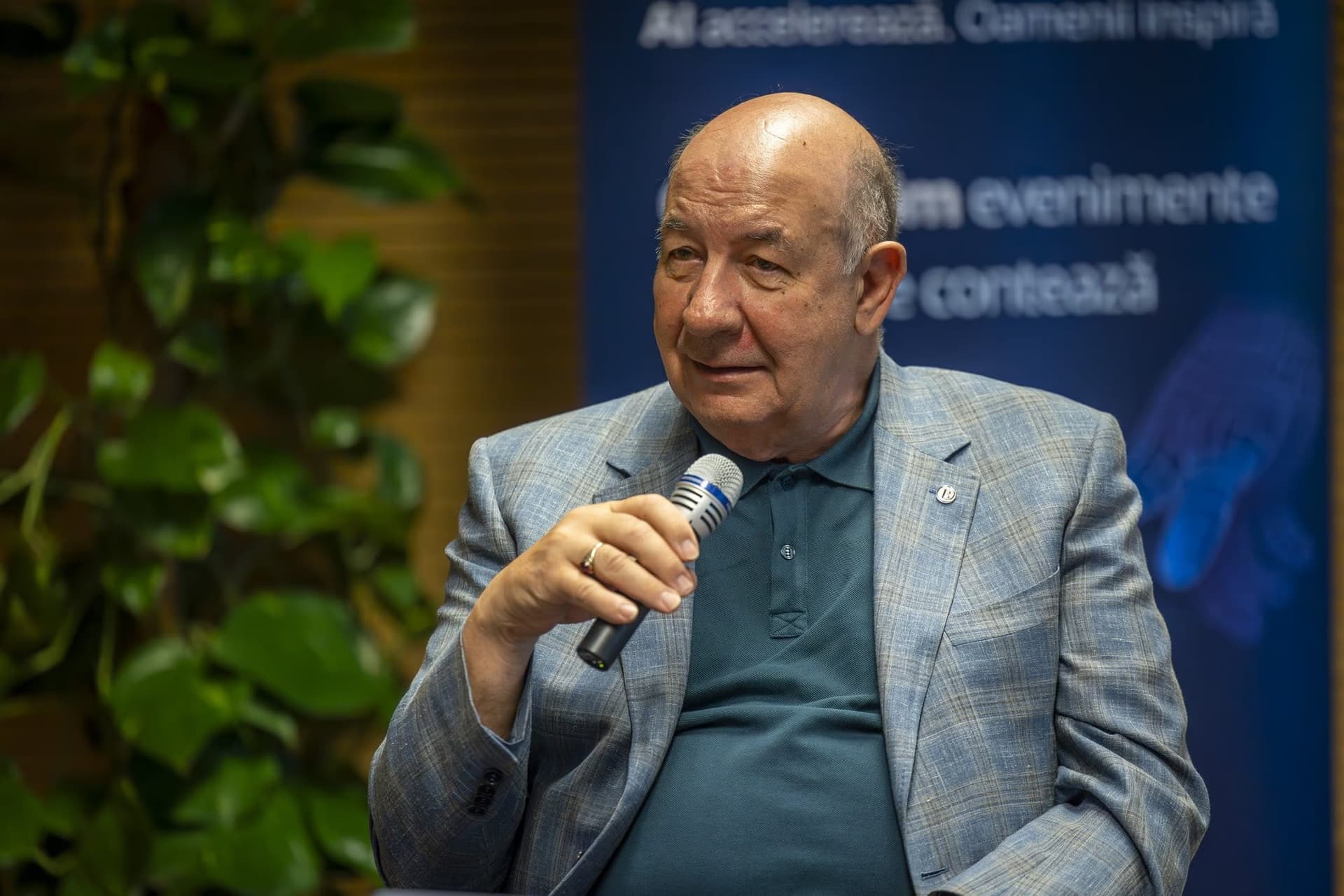
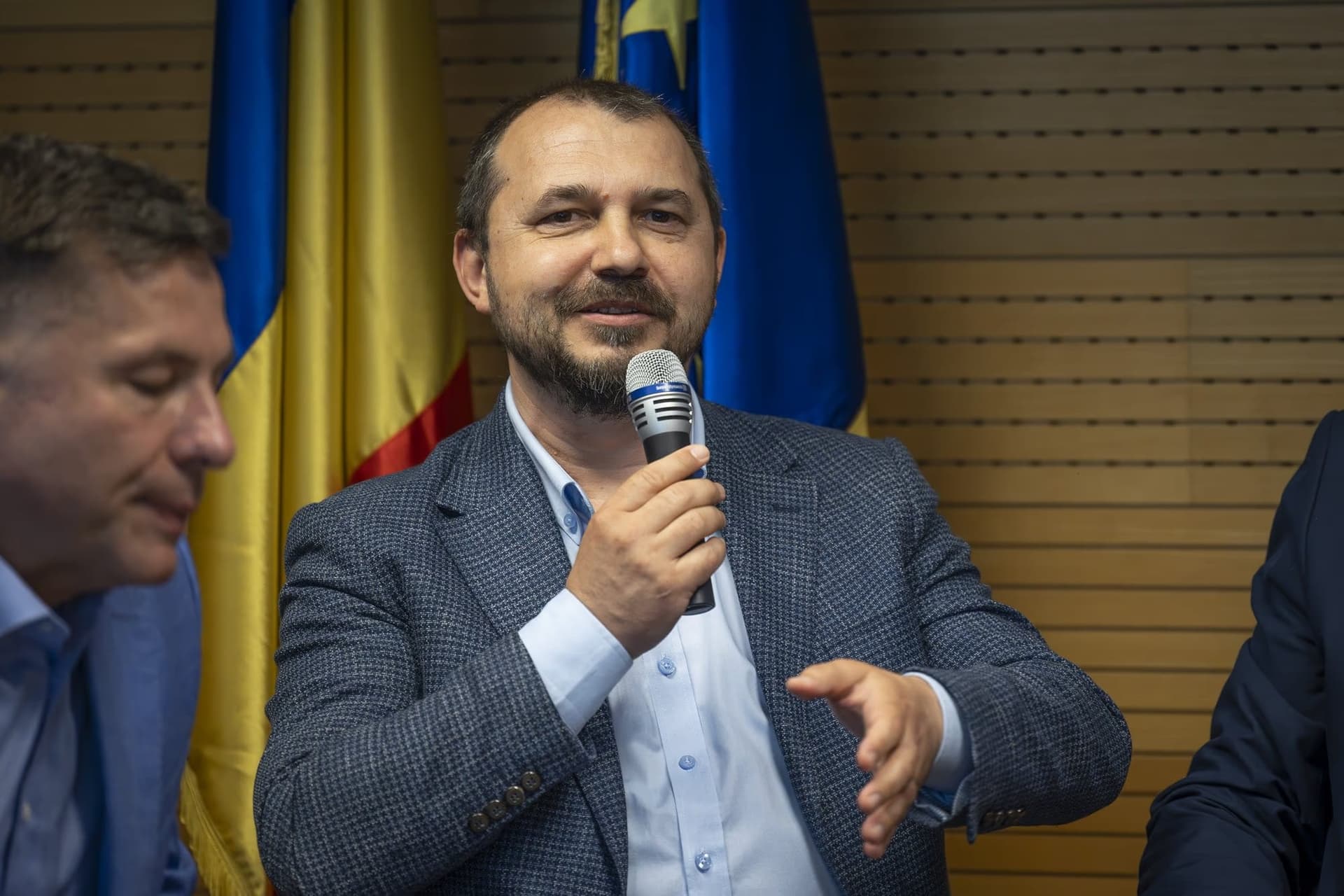
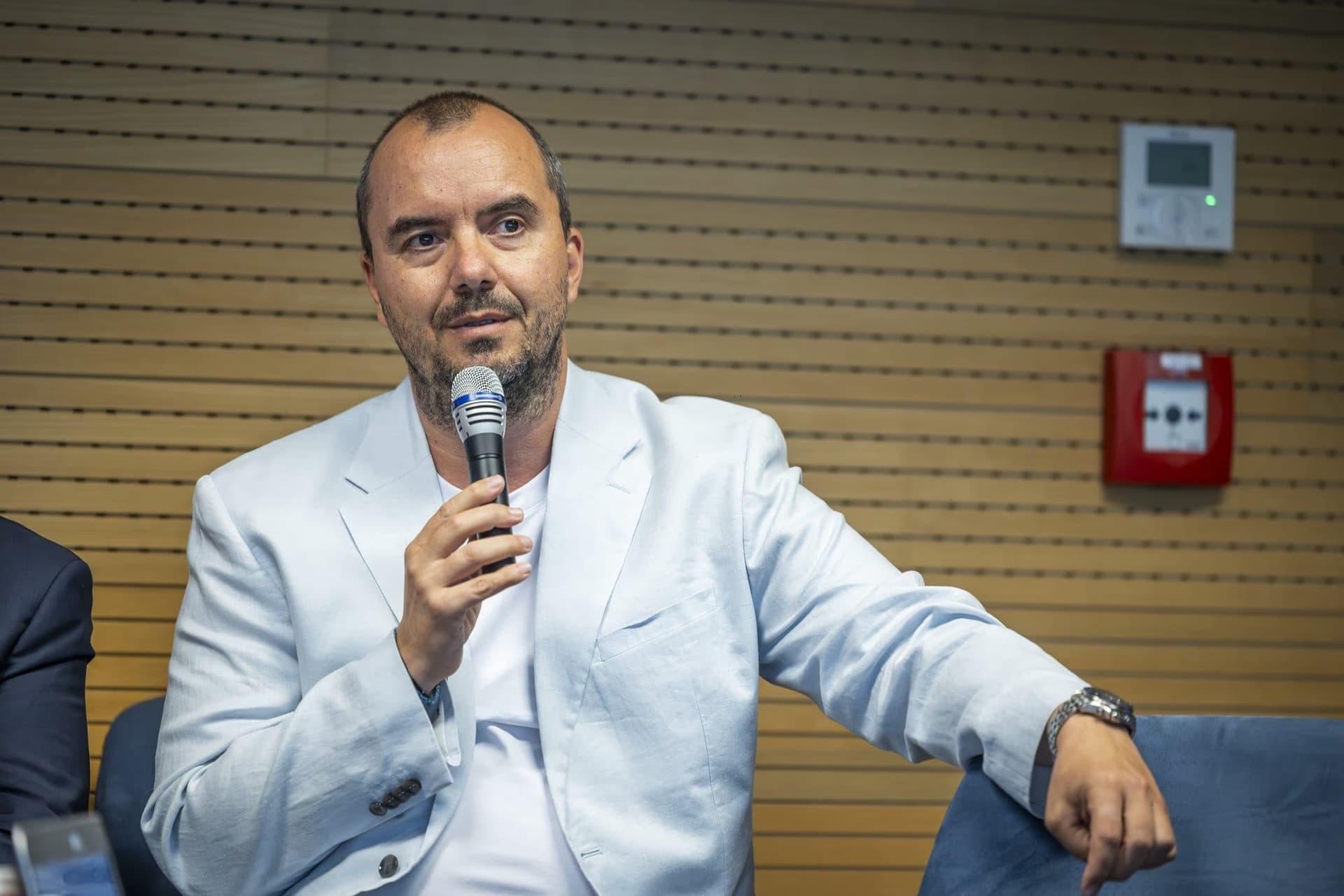
Reportage by Adi Coco · Seeing Romania · 28 June 2026.
Sources: direct notes from the „Decizia" conference room, Oxygen Events, Bucharest, 19 June 2026; transcription of the panels and the Q&A session; the official agenda of the event. The quotes are direct, rendered as close to the original form as possible. For the context of the figures mentioned (GDP deficit, AI use, cyber-contract values, agentic commerce), the data come from the National Bank of Romania, INACO, the European Central Bank, ENISA, and the panellists' official presentations.
Image credits: AdiCoco.com.