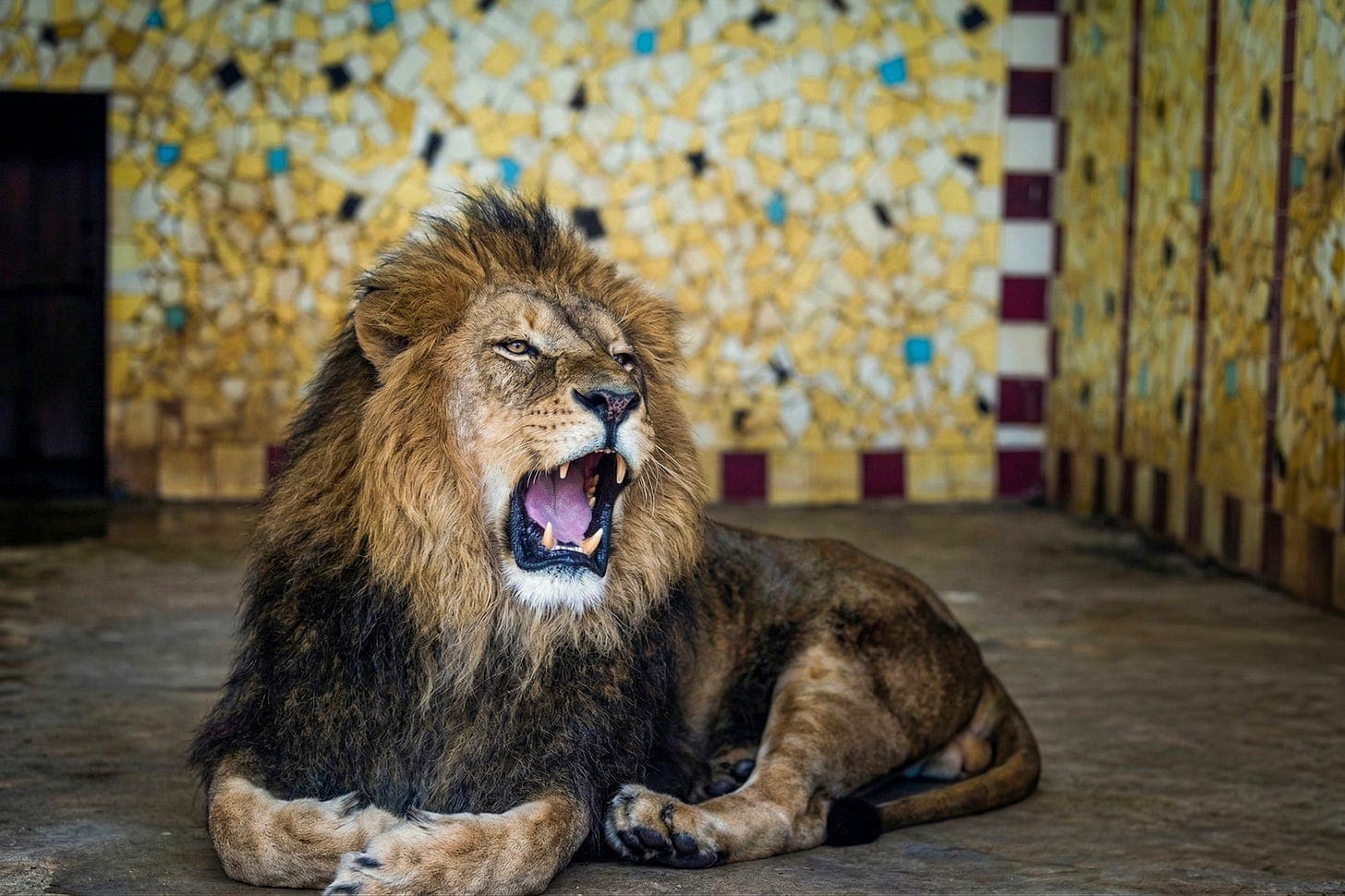
In Romania, the size of Târgu Mureș Zoo makes it exceptional. In Europe, that same size raises a more complicated question: what do you do with so much space if you don't yet have the density of collection, the revenue, and the tourist pull of the European Union's major zoological institutions?
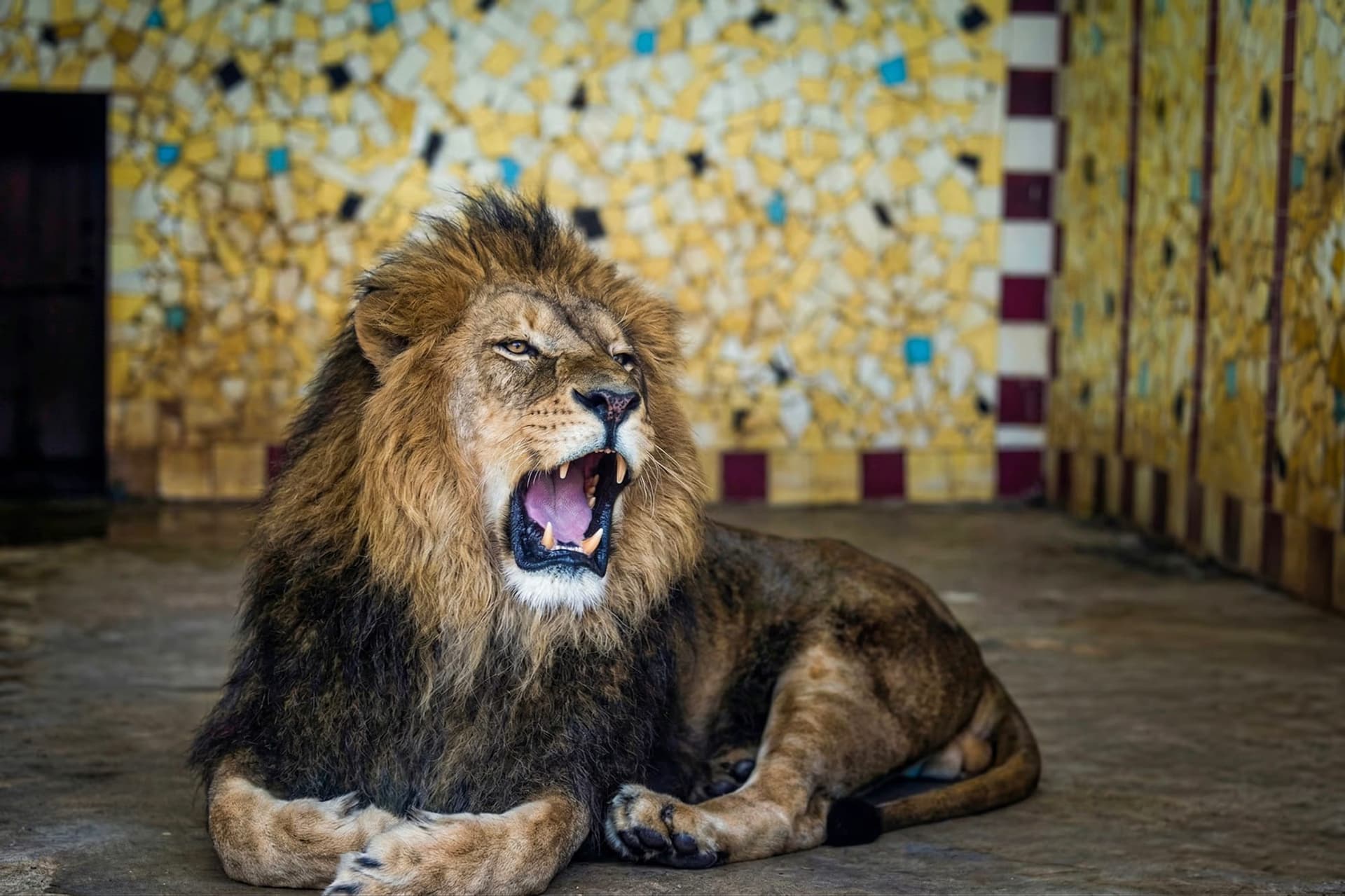
The first fact that matters is the area. Târgu Mureș Zoo officially presents itself as the largest zoo in Romania, with 42 hectares, around 800 animals, and more than 150 species, and it is also described as the only one in the country to keep elephants, giraffes, and gibbons. In the mayor's report for 2024, the institution recorded 334,226 visitors last year — a level that turns it from a simple leisure park into a major regional destination.
 1 / 14
Within Romania, the comparison favors it. Sibiu Zoo has roughly 20 hectares and 348 animals from 92 species. Brașov Zoo says it has more than 380 animals from 110 species and rounds out its offer with a planetarium and a virtual safari tour. Oradea Zoo focuses more clearly on services and pricing, suggesting a more compact, more commercialized model. In other words, Târgu Mureș dominates domestically when it comes to land, and ranks among the leaders in public appeal as well.
Romania vs. the EU: the same area doesn't mean the same scale
If we shift the comparison to Central Europe, the picture changes. Schönbrunn Zoo in Vienna operates on just 17 hectares, but houses 6,239 animals from 502 species and drew 2 million visitors in 2024. Prague Zoo works on 58 hectares and had 1,387,433 visitors in 2024. Budapest Zoo runs on 11 hectares and reports more than 7,000 animals from 647 species. Târgu Mureș therefore has more space than either Vienna or Budapest, but not the same zoological density, nor the same tourist intensity.
The table should be read with one simple caveat: European institutions usually report far more consistently and completely than Romanian ones, which makes the comparison favorable not only in terms of scale but also in terms of institutional transparency.
Admission prices: Romania remains affordable, Europe monetizes more aggressively
The difference also shows up at the ticket booth. At Târgu Mureș Zoo, an adult pays 40 lei; in Sibiu — 20 lei; in Brașov — 35 lei; in Oradea — 32 lei. Prague, by contrast, charges 330 CZK at the gate for an adult, Vienna — 29 euros, and Budapest — 5,900 HUF. Roughly converted to euros at the ECB reference rates currently available, that works out to about €7.9 in Târgu Mureș, €3.9 in Sibiu, €6.9 in Brașov, €6.3 in Oradea, €13.5 in Prague, and €16.1 in Budapest. Romania, in other words, remains cheap by European standards.
Budgets: where Romania loses not only on scale, but also on clarity
The hardest part of the comparison is the financial one. In Romania, not every zoo readily publishes its own revenues and expenses in a comparable, standalone format. In Târgu Mureș, there is one clear figure: the Administration of the Zoological Garden and the Cornești Plateau has roughly 27.284 million lei in its draft 2025 budget, or around €5.36 million. The catch is that this sum also covers the Cornești Plateau (the park), not just the zoo, so it isn't perfectly comparable with European institutions that report strictly on the zoological garden's activity.
In Europe, the reporting standard is clearer. Prague Zoo reported total revenue of 672.647 million CZK and total costs of 639.715 million CZK for 2024 — about €27.59 million in revenue and €26.24 million in expenses. Schönbrunn Zoo reported €33.716 million in operating revenue and €29.180 million in operating expenses for 2024. The gap in scale compared with Târgu Mureș isn't marginal; it is structural.
For other Romanian zoos, a "clean" financial comparison is harder to draw from easily verifiable public sources, either because budgets aren't published separately at the institutional level, or because they are bundled into broader administrative structures. And this is precisely one of the key differences from Europe's major institutions: not just the scale, but also the quality of public reporting.
Infrastructure and tourist positioning: where the real distance shows
The biggest difference between Târgu Mureș and Europe's major zoos isn't actually just the number of animals. It is positioning. Vienna and Prague function as major tourist institutions in capitals or metropolises with international traffic. Budapest is woven into the city's cultural and urban circuit. Târgu Mureș, by contrast, works as a mix of regional attraction, family leisure space, and local educational institution. That isn't a weakness in itself; but it is a different category.
This is also where both the potential and the limit are clearest. The potential is obvious: Târgu Mureș has the land, the audience, and the name recognition. The limit is that, in order to climb into the unofficial ranking of Europe's significant zoos, being merely "the largest in Romania" isn't enough. It will need to become more consistent in its reporting, clearer in its mission, and stronger in the way it turns space into experience, education, and conservation.
Verdict
The most honest conclusion is this: Târgu Mureș Zoo is big for Romania but modest for Europe. It is probably the clearest national leader in terms of area and one of the most solid names on the domestic market. But that very position raises the bar by which it is judged. In Romania, 42 hectares are an argument. In Europe, they are only the start of the conversation.
Methodological note: figures in lei, Czech crowns, and forints were converted approximately to euros using publicly available ECB reference rates; current rates were used for current ticket prices, while for the financial comparison the original euro figures were kept wherever the source reports directly in euros. Small variations may occur depending on the exact date of conversion.
 1 / 2
1 / 2